

Category: Uncategorized
-
Chocolate Manufacturing Equipment: Choosing the Right Tools for Tempering, Enrobing, Molding, Filling, and Cooling

Chocolate manufacturing can look deceptively simple from the outside. Melt chocolate, put it around or into something, cool it, and package it. In commercial production, however, creating a chocolate confection with the right appearance, snap, texture, flavor, and shelf stability requires careful control at every stage of the process. The…
-
Cookie Manufacturing Equipment: Choosing the Right Tools for Quality, Flexibility, and Scale
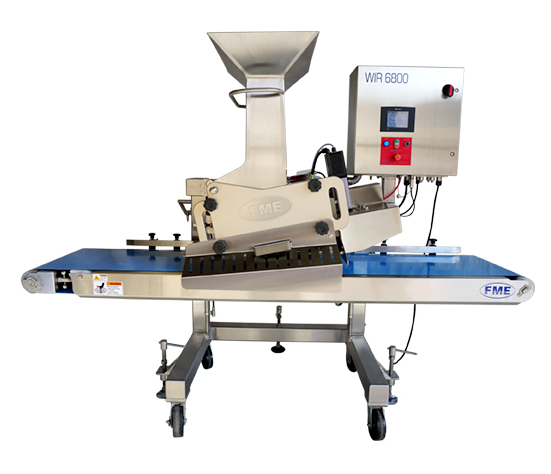
Making a great cookie on a commercial scale involves much more than simply scaling up a kitchen recipe. The equipment used to mix the dough, form the cookies, and bake them can have a major impact on texture, appearance, consistency, production efficiency, and even the types of recipes that can…
-
Food Safety Inspections Explained: Why SQF Certification Represents the Gold Standard in Food Manufacturing

When selecting a food manufacturing partner, recipe developer, or co-manufacturer, product quality is only one part of the equation. Equally important is the manufacturer’s commitment to food safety. Consumers, retailers, distributors, and regulatory agencies all expect food products to be manufactured under strict controls that minimize the risk of contamination…
-
The Science of Sugar Substitutes: How Modern Sweeteners Transform Packaged Baked Goods and Confections
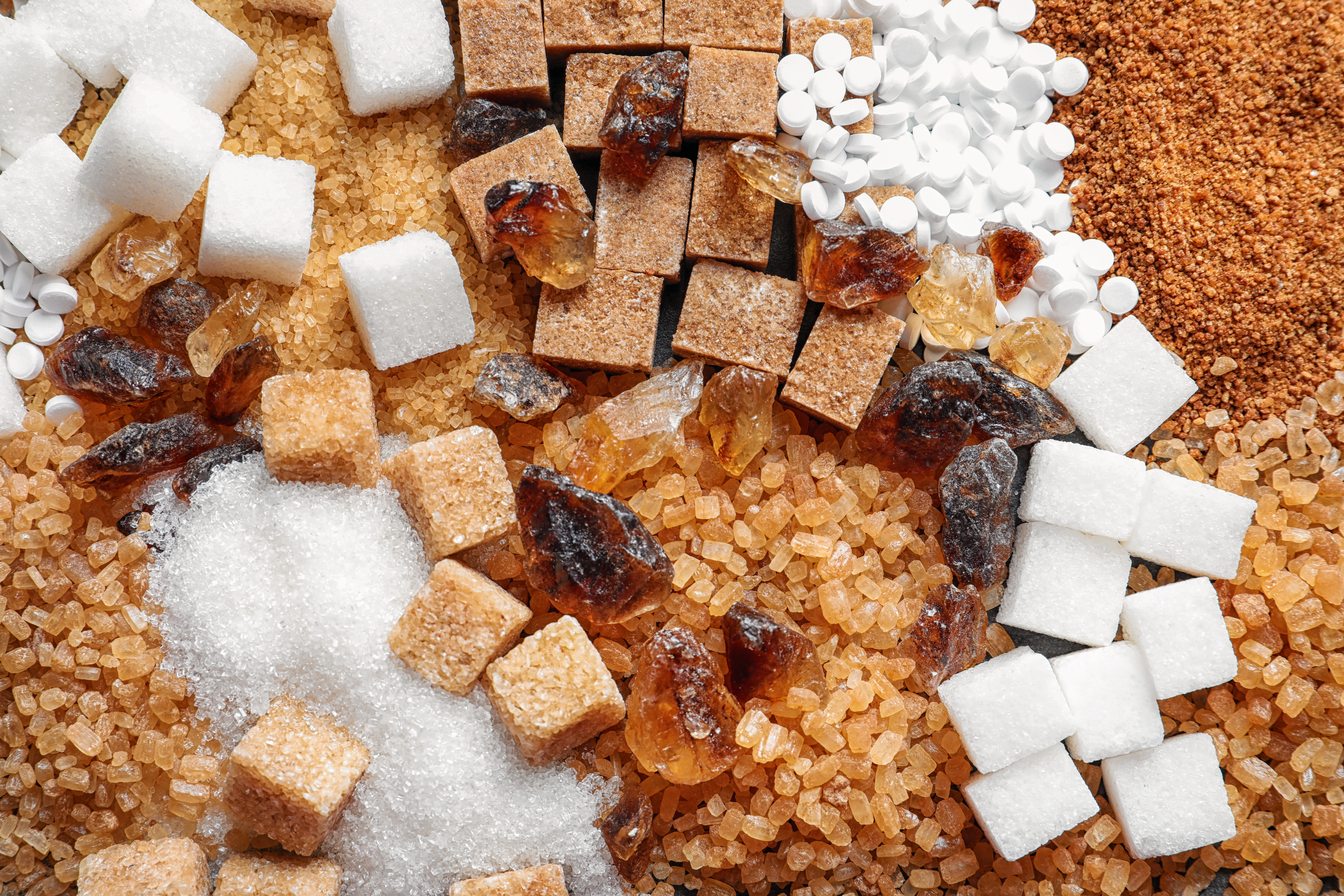
Today’s consumers want more from their favorite treats. They still want indulgence, but they also want lower sugar, fewer calories, better blood sugar management, higher fiber, cleaner labels, and ingredients that align with their nutritional goals. As a result, sugar substitutes have evolved from simple sweeteners into sophisticated formulation tools…
-
The Science of Caramels and Toffees: From Cook Temperature to Commercial Production

Few confections have the universal appeal of caramel and toffee. Whether enjoyed on their own, enrobed in premium chocolate, layered into protein bars, or incorporated into gourmet baked goods, these classic candies continue to evolve as consumers seek premium ingredients, innovative flavors, and better-for-you alternatives. While caramel and toffee may…
-
New South American Cacao Varietals Are Shaping the Future of Premium Chocolate
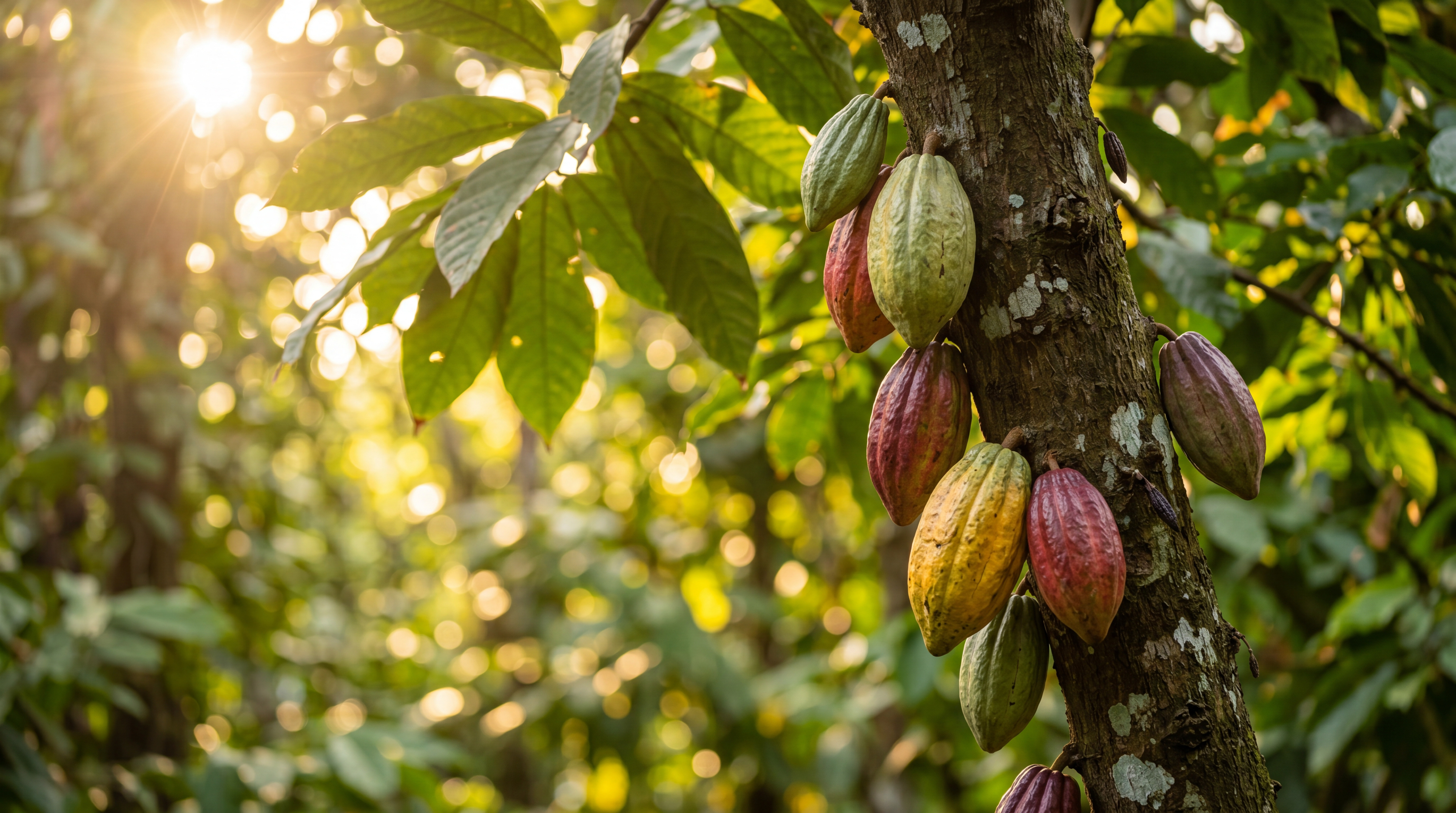
For decades, chocolate makers have largely focused on the traditional cacao classifications of Criollo, Forastero, and Trinitario. While those categories remain useful, advances in genetic research have shown that cacao diversity is far greater than originally understood. Today, researchers continue to identify unique regional genetic groups throughout the Amazon Basin…