
When selecting a food manufacturing partner, recipe developer, or co-manufacturer, product quality is only one part of the equation. Equally important is the manufacturer’s commitment to food safety. Consumers, retailers, distributors, and regulatory agencies all expect food products to be manufactured under strict controls that minimize the risk of contamination and ensure consistent quality.
Not all food safety inspections are created equal. Food manufacturers operate under different levels of regulatory oversight and third-party auditing, each with varying degrees of rigor. Understanding these differences can help brand owners choose a manufacturing partner capable of protecting both consumers and their brand reputation.
At World Wide Gourmet Foods, food safety is foundational to everything we do. As an SQF-certified manufacturer, we operate under one of the most demanding food safety systems in the world while helping our customers develop, commercialize, and manufacture premium packaged baked goods and confections.
The Foundation: FDA Regulations and Current Good Manufacturing Practices (cGMPs)
Every commercial food manufacturer in the United States is required to comply with regulations established by the U.S. Food and Drug Administration (FDA). These regulations include:
- Current Good Manufacturing Practices (cGMPs)
- Food Safety Modernization Act (FSMA)
- Hazard Analysis and Risk-Based Preventive Controls (HARPC)
- Food allergen controls
- Sanitation requirements
- Employee hygiene standards
- Traceability requirements
- Recall procedures
FDA inspections verify that manufacturers comply with federal regulations. Facilities may be inspected based on risk level, previous inspection history, or in response to complaints or recalls.
Passing an FDA inspection means a facility is meeting the legal requirements necessary to manufacture food. While this establishes an important baseline, many retailers and national brands require significantly higher standards.
HACCP Programs
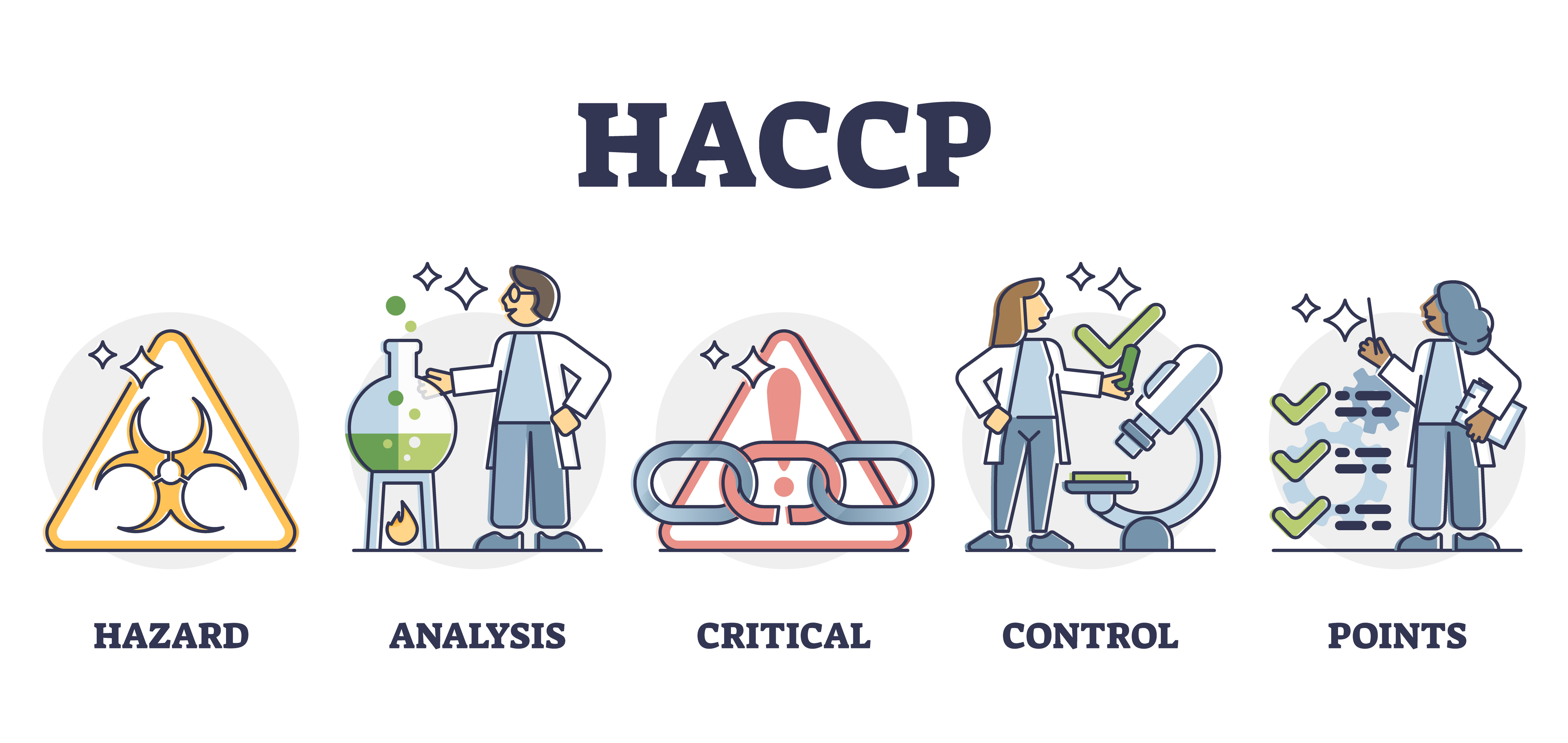
Hazard Analysis and Critical Control Point (HACCP) systems are widely recognized throughout the food industry. Originally developed for NASA’s space program, HACCP focuses on preventing hazards before they occur rather than inspecting finished products afterward.
A HACCP program includes:
- Biological hazard analysis
- Chemical hazard analysis
- Physical hazard analysis
- Identification of Critical Control Points (CCPs)
- Monitoring procedures
- Corrective actions
- Verification activities
- Recordkeeping
Many industries require HACCP plans, particularly seafood, juice, meat, and poultry manufacturing.
While HACCP is an excellent preventive system, it primarily addresses food safety hazards rather than the overall management systems that ensure long-term operational excellence.
GMP Audits
Some customers conduct supplier audits that focus primarily on Good Manufacturing Practices.
These inspections typically evaluate:
- Facility cleanliness
- Employee hygiene
- Pest control
- Equipment maintenance
- Storage practices
- Documentation
- Cleaning and sanitation
Although GMP audits are valuable, they generally examine only portions of a manufacturer’s food safety program.
Third-Party Food Safety Certifications
As food supply chains became increasingly global, retailers sought standardized food safety programs that exceeded regulatory requirements.
Several respected certification systems emerged.
BRCGS
BRCGS (Brand Reputation through Compliance Global Standards) is widely used throughout Europe and by many multinational retailers.
It places significant emphasis on:
- Senior management commitment
- Food safety culture
- Risk management
- Product quality
- Facility standards
FSSC 22000
FSSC 22000 builds upon the ISO 22000 food safety management system and incorporates additional industry-specific requirements.
It is commonly used by large international manufacturers and multinational corporations.
IFS
The International Featured Standards (IFS) certification is popular among European retailers and food manufacturers.
It focuses heavily on:
- Process control
- Product safety
- Product quality
- Supplier management
- Continuous improvement
SQF: One of the Highest Standards in Food Safety
The Safe Quality Food (SQF) Program is widely regarded as one of the most comprehensive food safety certification systems available. Recognized by the Global Food Safety Initiative (GFSI), SQF combines rigorous food safety requirements with robust quality management practices.
Unlike programs that focus primarily on regulatory compliance, SQF evaluates how effectively a company manages every aspect of its food safety system.
An SQF audit examines areas including:
- Senior management commitment
- Food safety culture
- Employee training
- Food defense
- Food fraud prevention
- Supplier approval programs
- Environmental monitoring
- Preventive maintenance
- Sanitation validation
- Allergen management
- Traceability
- Mock recalls
- Corrective actions
- Internal auditing
- Continuous improvement
- Documentation systems
- Risk assessments
- Product specifications
- Process validation
- Calibration programs
Every procedure must not only exist—it must be consistently followed and documented.
Because SQF certification requires ongoing audits, continuous documentation, corrective actions, and verification, it demands a company-wide commitment to food safety rather than periodic compliance efforts.
This is one reason why many major retailers—including Costco, Walmart, Kroger, Albertsons, Whole Foods Market, Target, and numerous private-label brands—prefer or require suppliers to maintain GFSI-recognized certifications such as SQF.
Why GFSI Recognition Matters
The Global Food Safety Initiative (GFSI) benchmarks food safety certification programs around the world.
Rather than creating its own audit standard, GFSI evaluates certification programs to ensure they meet internationally recognized criteria.
Certification programs recognized by GFSI include:
- SQF
- BRCGS
- FSSC 22000
- IFS
Because these certifications are benchmarked against common global standards, they provide confidence that certified manufacturers meet internationally accepted food safety expectations.
Why Food Manufacturing in the United States Is Often Considered Among the Safest in the World
Although many countries produce exceptional food products, the United States generally maintains one of the world’s strongest regulatory frameworks for commercial food manufacturing.
Several factors contribute to this reputation.
Strong Federal Oversight
The FDA has broad authority to inspect facilities, issue warning letters, mandate recalls under certain circumstances, and enforce compliance with food safety regulations.
The Food Safety Modernization Act shifted the regulatory focus from responding to contamination to preventing it before products reach consumers.
Advanced Manufacturing Technology
Many U.S. manufacturers invest heavily in:
- Metal detection
- X-ray inspection
- Environmental monitoring
- Automated sanitation systems
- Digital traceability
- Laboratory testing
- Statistical process control
These technologies help identify potential issues before products leave the facility.
Extensive Documentation Requirements
American manufacturers typically maintain extensive documentation for virtually every aspect of production, including:
- Ingredient traceability
- Sanitation records
- Temperature monitoring
- Equipment calibration
- Employee training
- Preventive maintenance
- Supplier approval
- Allergen controls
These records allow rapid investigations should any issue arise.
Retailer Expectations
Large retailers frequently impose food safety requirements that exceed federal regulations.
Many require suppliers to maintain GFSI-recognized certifications, perform annual audits, conduct mock recalls, and demonstrate ongoing continuous improvement.
This creates additional layers of oversight beyond government inspections.
Continuous Improvement Culture
Leading U.S. manufacturers regularly review:
- Customer complaints
- Internal audit findings
- Environmental monitoring results
- Supplier performance
- Regulatory updates
- Emerging food safety risks
Rather than simply maintaining compliance, they continually strengthen their food safety systems.
Choosing the Right Manufacturing Partner
For emerging food brands, selecting a manufacturing partner should involve far more than comparing production costs.
Consider asking potential manufacturers:
- Are they certified under a GFSI-recognized food safety program?
- How often are they audited?
- Do they maintain comprehensive allergen controls?
- What traceability systems are in place?
- Can they successfully complete mock recalls?
- How do they validate sanitation procedures?
- What environmental monitoring programs do they maintain?
- How do they manage supplier approval?
- Do they have an experienced quality assurance team?
The answers to these questions can have a significant impact on product quality, regulatory compliance, retailer acceptance, and consumer confidence.
Why World Wide Gourmet Foods?
At World Wide Gourmet Foods, food safety is integrated into every stage of product development and manufacturing. Our SQF-certified facility follows one of the industry’s most comprehensive food safety systems, combining preventive controls, rigorous documentation, continuous improvement, and disciplined operational practices.
Our capabilities include:
- Custom recipe development
- Product formulation and optimization
- Commercialization and scale-up
- Packaged baked goods manufacturing
- Protein bars and functional snacks
- Cookies and crackers
- Granola and cereal products
- Chocolate enrobed products
- Caramels, toffees, truffles, and premium confections
- Packaging design support
- Process validation and production optimization
From the first bench-top prototype through full-scale commercial production, our team works with customers to develop products that meet today’s demanding standards for quality, consistency, safety, and regulatory compliance.
Whether you’re launching a new better-for-you snack, scaling an established brand, or developing an innovative confectionery product, World Wide Gourmet Foods combines world-class food safety with decades of product development and manufacturing expertise to help bring your vision to market with confidence.
Leave a Reply