

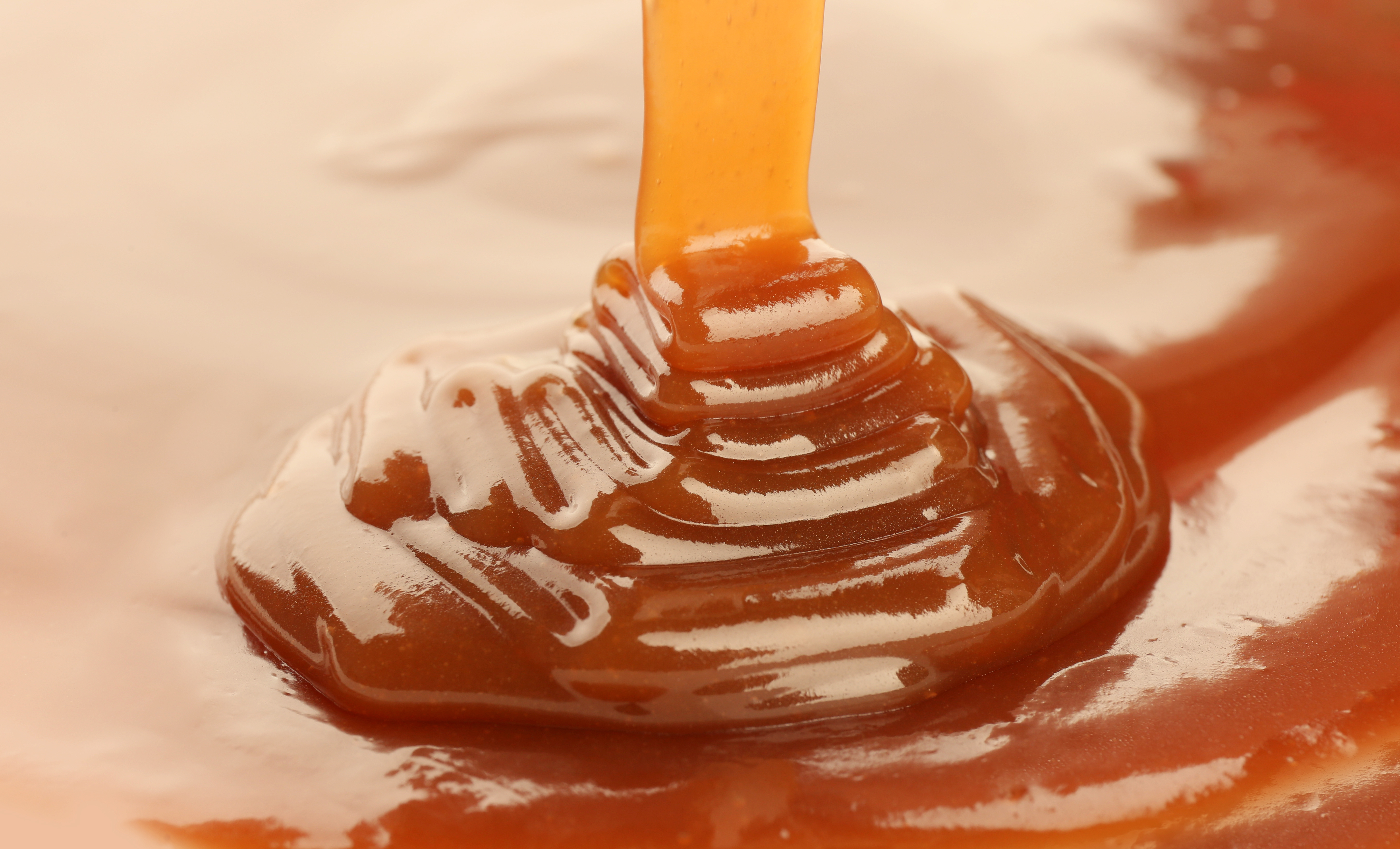
Few confections have the universal appeal of caramel and toffee. Whether enjoyed on their own, enrobed in premium chocolate, layered into protein bars, or incorporated into gourmet baked goods, these classic candies continue to evolve as consumers seek premium ingredients, innovative flavors, and better-for-you alternatives.
While caramel and toffee may appear simple—primarily consisting of sugar, dairy, and fat—the science behind producing a consistent, high-quality product is remarkably complex. Small changes in cooking temperature, ingredient selection, and processing can dramatically affect texture, shelf life, flavor, and manufacturing efficiency.
At World Wide Gourmet Foods, we help brands develop, scale, and manufacture custom caramel and toffee products that perform consistently from the first pilot batch through full commercial production.
Caramel vs. Toffee: Similar Ingredients, Different Results
Caramel and toffee begin with many of the same ingredients:
- Sugar
- Butter
- Cream or milk
- Corn syrup or glucose syrup
- Salt
- Vanilla and other flavors
The difference lies primarily in how the ingredients are cooked.
Caramel
Caramel typically contains a higher proportion of dairy and moisture. During cooking, sugars caramelize while milk proteins undergo Maillard browning, producing rich buttery flavors and a soft, chewy texture.
Depending on the final cook temperature, caramel can range from:
- Soft caramel sauces
- Flowable centers
- Individually wrapped chewy caramels
- Firm cut-and-wrap caramels
- Industrial inclusions for bakery applications
Toffee
Toffee generally contains more butter and less moisture than caramel. It is cooked to a significantly higher temperature, creating a brittle, crunchy structure after cooling.
Traditional English toffee develops its signature crisp snap through extensive moisture removal and controlled sugar caramelization before often being coated in chocolate and nuts.
Why Cook Temperature Determines Texture
Perhaps the single most important variable in confection production is final cook temperature.
As sugar syrups cook, water evaporates. The higher the final temperature, the lower the remaining moisture and the firmer the finished candy becomes.
Typical texture ranges include:
- 225–235°F: Soft sauces and dessert toppings
- 238–245°F: Soft chewy caramels
- 245–250°F: Firm cut caramels
- 250–260°F: Very firm caramel centers
- 285–305°F: Traditional brittle toffees
A difference of only 2–3°F can noticeably change:
- Bite firmness
- Chewiness
- Flow characteristics
- Cutting performance
- Shelf stability
- Water activity
- Packaging requirements
Commercial manufacturers often monitor not only temperature but also solids content, moisture percentage, water activity, and batch viscosity to ensure consistency from production run to production run.
The Role of Sweeteners
Sweeteners do much more than simply provide sweetness. They influence nearly every physical characteristic of caramel and toffee.
Traditional Sugars
Sucrose provides:
- Structure
- Controlled crystallization
- Classic caramel flavor
- Clean sweetness
- Firmness
Corn syrup and glucose syrup help:
- Prevent unwanted sugar crystallization
- Improve chew
- Extend shelf life
- Create smoother textures
- Reduce graininess
Many commercial formulations balance sucrose with glucose syrups to achieve ideal processing characteristics.
Working with Honey
Honey can produce exceptional gourmet caramels with distinctive floral and botanical notes depending on its source.
However, honey also introduces additional formulation challenges.
Compared with refined sugar, honey:
- Contains naturally occurring fructose and glucose
- Contributes additional water
- Varies from harvest to harvest
- Browns more rapidly
- Can create softer finished textures
- May shorten shelf life if moisture is not properly balanced
Because every varietal of honey behaves differently, commercial formulations often require adjustments to cook temperature, solids content, and moisture targets.
Sugar Replacements Require More Than a Simple Swap
Consumers increasingly seek reduced-sugar or no-added-sugar confections, but replacing sugar is far more complex than substituting one sweetener for another.
Ingredients such as:
- Allulose
- Erythritol
- Isomalt
- Maltitol
- Soluble fibers
- Monk fruit
- Stevia
all behave differently during cooking.
Some may:
- Brown differently
- Crystallize unexpectedly
- Retain more moisture
- Reduce chewiness
- Alter cooling characteristics
- Affect water activity
- Change shelf-life performance
Many reduced-sugar formulas therefore combine multiple sweeteners with bulking agents and fibers to recreate the texture consumers expect from traditional caramel.
Commercial development typically involves balancing sweetness, texture, processing performance, digestive tolerance, and regulatory labeling requirements simultaneously.
Preserving Flavor Through Post-Cook Addition
One common misconception is that flavorings should be added at the beginning of cooking.
In reality, most premium flavor compounds are added after the cooking process has been completed.
High temperatures can damage or volatilize delicate aromatic compounds found in ingredients such as:
- Vanilla
- Coffee
- Citrus oils
- Peppermint
- Lavender
- Bourbon flavors
- Fruit extracts
- Botanical extracts
Instead, manufacturers generally cool the cooked caramel to an appropriate temperature before blending in flavor systems.
This preserves volatile aroma compounds while still allowing thorough mixing and even flavor distribution.
The same principle applies to many colors, nutraceutical ingredients, probiotics, vitamins, and specialty inclusions that are sensitive to prolonged exposure to heat.
Enrobing Caramels and Toffees in Chocolate
Chocolate-covered caramels remain one of the world’s most popular premium confections.
The process appears straightforward:
- Cook the caramel.
- Cool and cut.
- Enrobe with tempered chocolate.
In practice, producing consistently beautiful chocolate-covered confections requires careful control of multiple variables.
Manufacturers must optimize:
- Caramel firmness
- Surface moisture
- Chocolate viscosity
- Tempering conditions
- Cooling tunnel temperatures
- Center temperature
- Cutting quality
- Coating thickness
Even slight deviations can result in poor adhesion, cracking, or appearance defects.
Preventing Fat Transfer and Chocolate Bloom
One of the greatest technical challenges in chocolate-coated confections is preventing fat migration.
Butterfat from caramel and toffee can slowly migrate into the chocolate coating over time.
This movement changes the cocoa butter crystal structure and can eventually produce fat bloom—a whitish or gray appearance on the chocolate surface.
Although fat bloom is generally a quality issue rather than a food safety concern, it negatively affects consumer perception and shelf appeal.
Manufacturers minimize fat migration through careful formulation and process control by:
- Selecting appropriate chocolate formulations
- Maintaining proper chocolate temper
- Optimizing butter-to-fat ratios in the center
- Controlling moisture and water activity
- Managing cooling rates after enrobing
- Using center formulations designed for extended shelf life
- Selecting appropriate storage and distribution temperatures
Finished products should also be protected from temperature cycling during warehousing and transportation, as repeated warming and cooling accelerates bloom formation.
Scaling from the Kitchen to Commercial Production
A caramel recipe that performs beautifully in a small saucepan often behaves very differently in a commercial kettle capable of producing hundreds or thousands of pounds per batch.
Scaling production requires attention to:
- Heat transfer
- Mixing efficiency
- Batch size
- Cook time
- Moisture loss
- Ingredient addition timing
- Cooling profiles
- Cutting characteristics
- Packaging compatibility
Successful commercialization is about more than reproducing flavor—it is about designing a formulation that can be manufactured consistently, efficiently, and at scale while meeting quality, shelf-life, and cost objectives.
Partner with World Wide Gourmet Foods
Developing a successful caramel or toffee product requires expertise in confection science, ingredient functionality, process engineering, and commercial manufacturing.
Whether you’re creating traditional buttery caramels, premium chocolate-enrobed toffees, honey-sweetened artisan confections, or innovative reduced-sugar formulations, World Wide Gourmet Foods provides the technical expertise and manufacturing capabilities to bring your vision to life.
Our team partners with brands from concept through commercialization, assisting with formulation development, ingredient selection, pilot production, process optimization, shelf-life evaluation, and full-scale manufacturing. We also specialize in chocolate enrobing, custom inclusions, premium packaging solutions, and retail-ready production.
If you’re ready to launch a new caramel or toffee product—or improve an existing one—World Wide Gourmet Foods can help transform your ideas into consistently manufactured, market-ready confections that delight consumers and perform reliably in commercial production.
Leave a Reply