

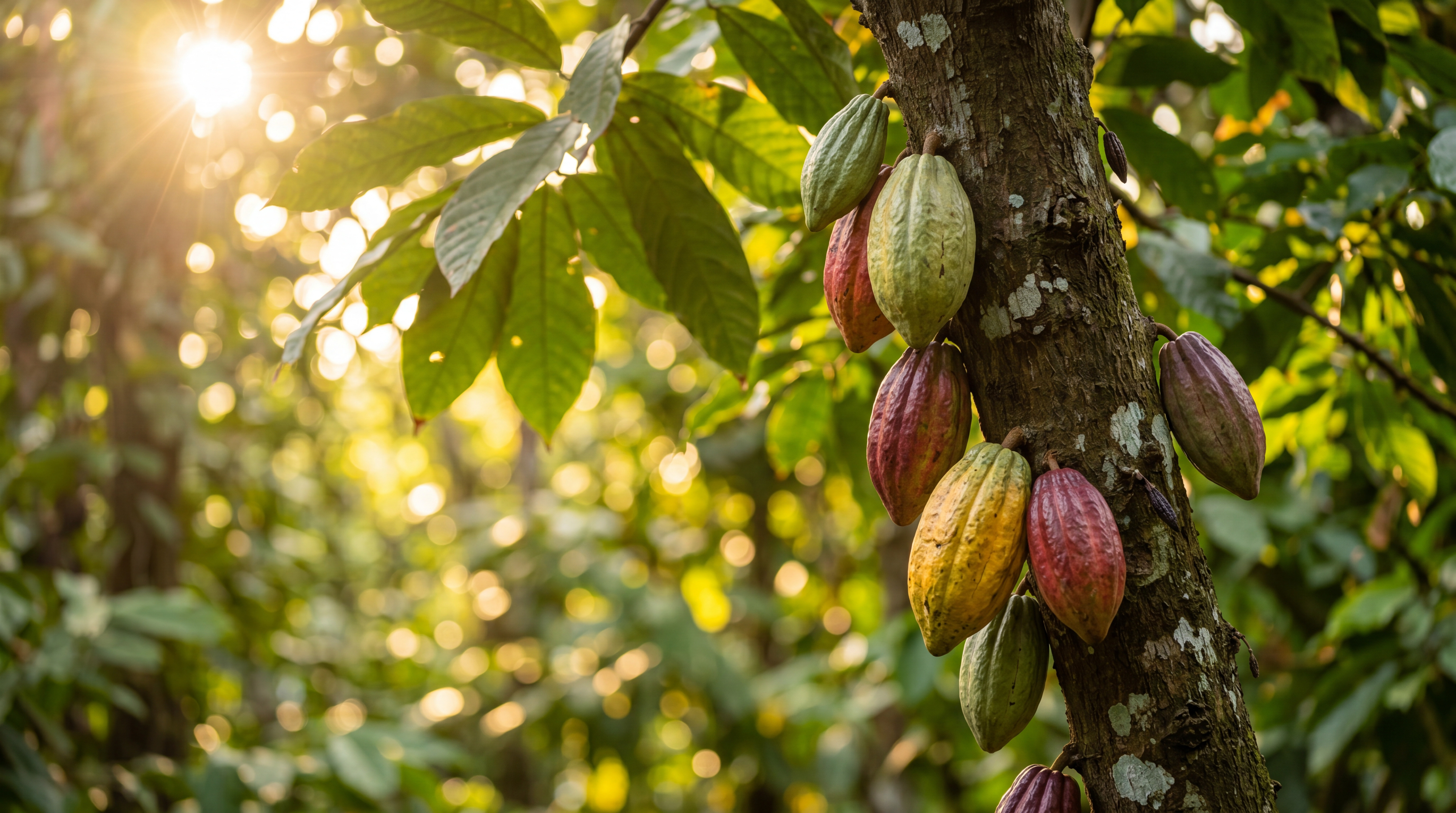
For decades, chocolate makers have largely focused on the traditional cacao classifications of Criollo, Forastero, and Trinitario. While those categories remain useful, advances in genetic research have shown that cacao diversity is far greater than originally understood. Today, researchers continue to identify unique regional genetic groups throughout the Amazon Basin that offer exciting new flavor opportunities for premium chocolate manufacturers.
One of the most significant recent discoveries comes from Peru, where scientists identified four previously unknown indigenous genetic groups of cacao growing in Amazonian farming communities. These newly identified lineages expand the genetic diversity available to chocolate makers and may become important sources of future fine-flavor chocolates.
Why New Cacao Varieties Matter
Consumers have become increasingly sophisticated in their appreciation of chocolate. Much like coffee drinkers now seek specific coffee varietals and wine enthusiasts search for unique vineyards, chocolate lovers are beginning to recognize the influence that cacao genetics have on flavor.
The newest discoveries are important because they provide breeders and chocolate manufacturers with access to genetic traits that may include:
- More distinctive flavor profiles
- Greater disease resistance
- Improved adaptation to changing climates
- Better yields for farmers
- Additional options for creating premium, single-origin chocolates
As climate change continues to pressure traditional cocoa-growing regions, expanding the available genetic diversity of cacao will likely become increasingly important for maintaining both supply and quality.
Beyond the Traditional Three Varieties
Most consumers have heard of only three cacao types:
Criollo
Often considered the “fine wine” of cacao, Criollo produces exceptionally delicate chocolate with:
- Honey sweetness
- Caramel notes
- Dried fruit
- Mild nuttiness
- Very low bitterness
- Low astringency
Criollo beans are relatively rare and generally command premium prices because of their exceptional flavor and lower agricultural productivity.
Forastero
Forastero represents the majority of the world’s commercial cocoa production and is known for:
- Rich chocolate flavor
- Roasted cocoa notes
- Earthy characteristics
- Moderate bitterness
- Higher yields
- Excellent disease resistance
Modern specialty chocolate has demonstrated that high-quality Forastero can also produce remarkable fine-flavor chocolate when properly fermented and processed.
Trinitario
Originally developed as a natural hybrid between Criollo and Forastero, Trinitario combines many desirable characteristics of both parents:
- Strong chocolate intensity
- Red fruit
- Raisin
- Cherry
- Spice
- Nutty undertones
- Good agricultural performance
Many award-winning craft chocolates today are produced from Trinitario genetics.
South America’s Famous Regional Varieties
While the traditional three categories remain familiar, many chocolate professionals now focus on regional genetic groups and heirloom varieties.
Ecuador’s Nacional (Arriba)
Perhaps the most famous South American cacao, Nacional is prized for its unmistakable aroma.
Typical tasting notes include:
- Jasmine
- Orange blossom
- Floral honey
- Light citrus
- Soft nuts
- Gentle cocoa
Its floral aroma has earned it recognition as one of the world’s finest “fine aroma” cocoas.
Venezuela’s Porcelana
One of the rarest and most valuable cacao varieties in the world, Porcelana offers:
- Creamy cocoa
- Plum
- Cherry
- Light caramel
- Soft roasted nuts
- Minimal bitterness
Because of its rarity, Porcelana is often reserved for luxury chocolate bars.
Peru’s Chuncho
Chuncho cacao has attracted growing interest among craft chocolate makers for its naturally sweet flavor profile.
It commonly exhibits:
- Floral aromas
- Tropical fruit
- Honey
- Mild cocoa
- Very low bitterness
- Soft acidity
Many bean-to-bar manufacturers view Chuncho as one of Peru’s signature heirloom chocolates.
Brazilian Amazon Cacao
Recent research has also highlighted distinct flavor differences among cacao grown in Brazil’s Amazon floodplain and upland ecosystems. These regionally distinct beans can produce chocolates with refined fine-flavor characteristics while exhibiting different levels of polyphenols and aromatic compounds, illustrating how terroir and genetics together influence finished chocolate.
Peru’s Newly Discovered Indigenous Genetic Groups
The newest research from Peru represents one of the most exciting cacao discoveries in recent years.
Researchers analyzed hundreds of traditional cacao trees growing in indigenous Amazonian communities and identified four genetically distinct groups that had never before been classified.
While researchers are continuing to evaluate their commercial potential, the early findings suggest these newly identified lineages may contribute:
- New floral characteristics
- Enhanced fruit notes
- Greater flavor complexity
- Valuable breeding genetics
- Increased biodiversity for future premium chocolate production
Rather than replacing existing premium cacao, these discoveries expand the palette available to chocolate makers and could lead to entirely new flavor experiences over the coming years.
What This Means for the Chocolate Industry
The premium chocolate market has steadily shifted toward origin-specific products over the past decade.
Instead of simply marketing “dark chocolate,” brands increasingly differentiate themselves through:
- Single-origin chocolate
- Estate-grown cacao
- Specific fermentation methods
- Sustainability programs
- Traceable sourcing
- Unique genetic varieties
As additional cacao lineages become commercially available, manufacturers will have opportunities to create products with increasingly distinctive flavor profiles that appeal to specialty retailers and premium consumers.
For food brands developing new confections, this means greater flexibility when selecting chocolate ingredients. A chocolate with bright berry notes may be ideal for one product, while a floral Ecuadorian cacao or a creamy Venezuelan-style chocolate may better complement another formulation.
Developing Products Around Flavor
Choosing the right chocolate is no longer simply selecting a percentage of cocoa.
Today’s product developers consider:
- Flavor pairing
- Sweetness balance
- Cocoa intensity
- Fruit character
- Roasted notes
- Acidity
- Mouthfeel
- Consumer positioning
The chocolate itself becomes an ingredient that contributes its own personality to the finished product.
This approach is especially valuable when developing:
- Premium chocolate bars
- Filled chocolates
- Truffles
- Protein bars
- Better-for-you snacks
- Chocolate-covered cookies
- Chocolate-covered grahams
- Caramels
- Nutrition bars
- Seasonal confections
Partner with World Wide Gourmet Foods
As the chocolate industry continues to evolve, selecting the right chocolate has become an increasingly important part of successful product development.
At World Wide Gourmet Foods, we work with brands to identify chocolate profiles that complement their products and support their market positioning. Whether your project calls for classic milk chocolate, premium dark chocolate, compound coatings, or custom fine-flavor chocolates built around unique cacao origins and varietals, our development team can help identify the right solution.
Combined with our expertise in cookies, nutrition bars, protein bars, snack mixes, truffles, caramels, chocolate-covered confections, and baked goods, we help customers translate exceptional chocolate into commercially successful products.
As new South American cacao genetics continue to emerge, they will provide exciting opportunities for innovation. World Wide Gourmet Foods is ready to help transform these remarkable chocolates into distinctive products that stand out on today’s increasingly sophisticated retail shelves.
Leave a Reply