

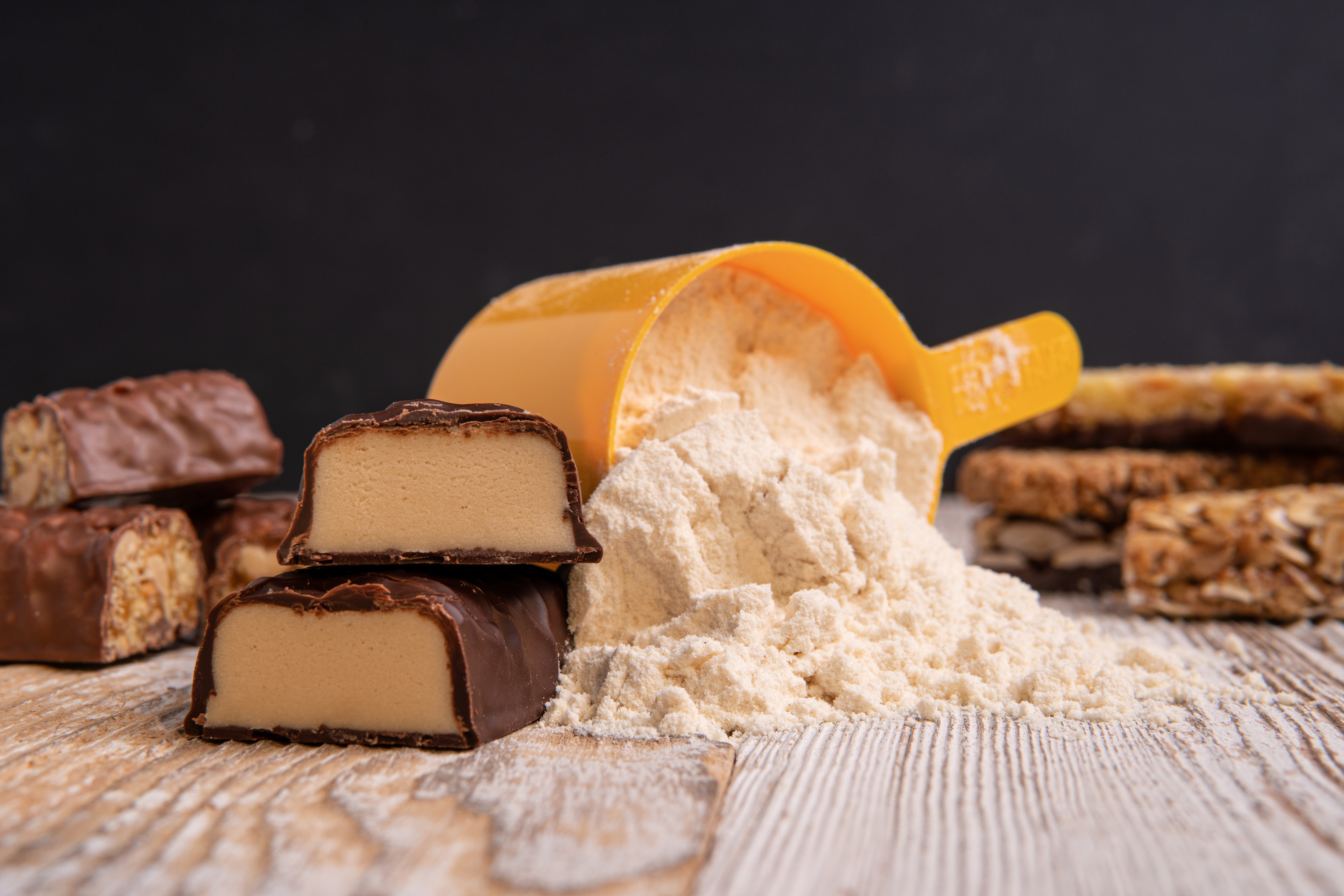
Whey Protein Remains a Dominant Ingredient—But the Market Is Changing
For more than two decades, whey protein has been one of the most widely used functional ingredients in the food industry. Its combination of complete nutrition, excellent amino acid profile, digestibility, and functionality has made it a favorite ingredient in protein bars, cookies, brownies, cereals, snacks, and confectionery products.
As we move through 2026, the whey protein market continues to evolve. What was once primarily a sports nutrition ingredient is now found throughout the grocery store—from breakfast cereals and snack foods to baked goods, beverages, confections, and meal replacements. As demand has surged, the industry is facing one of the tightest whey protein supply environments in recent history.
Understanding the current whey market—and the alternatives available—can help brands make informed decisions when developing new products or reformulating existing ones.
Current State of the Whey Protein Market
The whey protein market has entered a period of unprecedented demand.
While whey is produced as a byproduct of cheese manufacturing, converting liquid whey into high-protein concentrates and isolates requires specialized processing equipment and significant manufacturing capacity. Demand for whey protein has expanded faster than processing infrastructure can keep pace, creating supply constraints throughout the market.
Several factors are contributing to the current environment:
Record Demand for Protein
Consumers continue to seek products that deliver higher protein content for:
- Active lifestyles and sports nutrition
- Weight management
- Healthy aging
- Satiety and meal replacement
- General wellness
In addition, the growing use of GLP-1 weight-loss medications has increased consumer awareness of the importance of maintaining adequate protein intake to support muscle retention during weight loss.
Tight Supply Conditions
Many industry participants report that inventories remain tight, particularly for higher-protein whey concentrates and isolates. Some suppliers have reportedly sold significant portions of their available production well in advance, resulting in longer lead times and reduced flexibility for buyers.
Historically High Pricing
Protein has become one of the most expensive ingredients in many food formulations. Whey protein concentrate and whey protein isolate pricing remain elevated compared to historical norms due to:
- Strong global demand
- Limited processing capacity
- Increased dairy production costs
- Transportation and logistics expenses
- Continued growth in protein-enriched food categories
For many manufacturers, protein is now among the largest drivers of formulation cost.
Why Whey Protein Is So Popular
Despite pricing and supply challenges, whey remains the benchmark against which most alternative proteins are measured.
Whey contains all nine essential amino acids and is particularly rich in branched-chain amino acids (BCAAs), including leucine, which plays a critical role in muscle protein synthesis.
Key benefits include:
- Complete protein source
- High digestibility
- Excellent amino acid profile
- Strong scientific support
- Neutral flavor profile
- Functional performance in baking and confectionery applications
For food manufacturers, whey also contributes to texture, moisture retention, emulsification, browning characteristics, and shelf-life performance.
Challenges of Using Whey in Baked Goods and Confections
While whey protein offers many advantages, formulators often encounter challenges when incorporating it into finished products.
Texture Issues
High levels of whey protein can create:
- Dense textures
- Dry mouthfeel
- Tough baked goods
- Hardening during shelf life
Protein bars are especially susceptible to becoming excessively firm over time if formulations are not properly balanced.
Flavor Considerations
Whey can introduce:
- Dairy notes
- Cooked milk flavors
- Slight bitterness at higher inclusion rates
This can be particularly challenging in delicate flavors such as vanilla, fruit, and certain confectionery applications.
Cost Management
Protein continues to be among the most expensive ingredients in many formulations. As whey prices remain elevated, brands must carefully balance nutrition claims, sensory quality, and profitability.
What This Means for Brands Using Whey Protein
For brands producing protein bars, cookies, brownies, cereals, snack mixes, baked goods, and confectionery products, the current whey market creates several challenges.
Higher Ingredient Costs
Significant increases in whey pricing can materially impact finished product margins, particularly for products that rely heavily on protein claims as part of their marketing strategy.
Supply Risk
Brands that rely on a single whey supplier or specification may encounter allocation limits, extended lead times, or temporary shortages. Diversifying supply sources and qualifying backup ingredients has become increasingly important.
Reformulation Pressure
Some manufacturers are exploring partial replacement strategies using:
- Milk Protein Concentrate (MPC)
- Soy Protein Isolate
- Pea Protein
- Pea and Rice Protein Blends
- Egg White Protein
However, replacing whey is rarely straightforward. Whey contributes not only nutrition but also functionality, affecting texture, moisture retention, flavor release, shelf life, and overall eating quality. Even modest substitutions may require extensive formulation work and shelf-life validation.
Retail Pricing Pressure
Brands may eventually need to pass a portion of rising protein costs through to retailers and consumers. Evaluating pricing strategies and ingredient alternatives now can help minimize future disruptions.
Alternative Protein Sources
Many brands are exploring alternatives to whey protein for cost, allergen, dietary, sustainability, or supply-chain reasons.
The key question is often: “How close can alternative proteins come to whey nutritionally?”
Pea Protein
Pea protein has become the dominant plant-based alternative.
Advantages:
- Vegan
- Allergen-friendly
- Good functionality
- Relatively stable pricing
Challenges:
- Earthy flavor
- Lower methionine levels
- May require blending for complete amino acid coverage
Soy Protein
Soy remains one of the few plant proteins considered a complete protein.
Advantages:
- Complete amino acid profile
- Cost-effective
- Excellent protein concentration
Challenges:
- Allergen declaration requirements
- Consumer perception concerns in some segments
Milk Protein Concentrate (MPC)
MPC is gaining attention as manufacturers seek alternatives within the dairy protein category.
Advantages:
- Complete protein
- Excellent functionality
- Dairy-based nutritional profile
- Often competitive with whey in certain applications
Challenges:
- Dairy allergen declaration
- Functional differences compared to whey
Egg White Protein
Advantages:
- Complete protein
- Excellent functionality
- Clean flavor
Challenges:
- Cost
- Egg allergen declaration
- Supply volatility
Fava Bean Protein
An emerging ingredient generating interest in plant-based applications.
Advantages:
- Improved flavor profile
- Sustainability appeal
- Good functionality
Challenges:
- Limited commercial history
- Availability can vary
Hemp and Rice Proteins
These proteins continue to find use in specialty applications but often require blending to achieve desired nutritional and functional performance.
How Alternative Proteins Compare to Whey
| Protein Source | Complete Protein? | Digestibility | Flavor Impact | Typical Use in Baked Goods & Confections |
|---|---|---|---|---|
| Whey Protein | Yes | Excellent | Mild | Excellent |
| Egg White Protein | Yes | Excellent | Mild | Excellent |
| Soy Protein | Yes | Very Good | Moderate | Very Good |
| Milk Protein Concentrate | Yes | Excellent | Mild Dairy | Excellent |
| Pea Protein | No* | Good | Earthy | Good |
| Pea + Rice Blend | Nearly Complete | Good | Moderate | Good |
| Fava Protein | No | Good | Mild Bean Notes | Good |
| Hemp Protein | No | Moderate | Strong | Limited |
| Rice Protein | No | Moderate | Grainy | Limited |
*Pea protein can provide a more complete amino acid profile when combined with complementary proteins such as rice protein.
Which Protein Provides the Most Complete Nutrition?
When evaluating protein quality, nutrition experts often consider amino acid completeness and digestibility.
Generally speaking:
- Whey Protein Isolate
- Whey Protein Concentrate
- Egg White Protein
- Soy Protein
- Milk Protein Concentrate
- Pea + Rice Protein Blends
- Pea Protein
- Fava Protein
- Hemp Protein
- Rice Protein
While plant proteins continue to improve, whey remains the gold standard for nutritional quality, digestibility, and functional performance.
Best Protein Choices by Product Category
Selecting the right protein is not simply a nutritional decision—it is also a formulation decision. Different protein sources behave very differently depending on the product being manufactured. Texture, shelf life, flavor, moisture retention, and production efficiency can all be affected by protein selection.
Below are some general recommendations for protein systems commonly used in commercial food manufacturing.
Protein Bars
Best Choices:
- Whey Protein Isolate (WPI)
- Whey Protein Concentrate (WPC)
- Milk Protein Concentrate (MPC)
- Pea Protein Blends
Protein bars present unique formulation challenges because proteins tend to absorb moisture and become firmer over time. Whey proteins provide excellent nutrition and flavor but can contribute to hardening if not properly balanced with humectants, fibers, and fats.
Many successful bar formulations utilize blended protein systems to optimize texture, nutrition, and cost.
Cookies and Baked Goods
Best Choices:
- Whey Protein Concentrate
- Milk Protein Concentrate
- Egg White Protein
- Pea Protein (moderate inclusion)
Cookies, brownies, muffins, and other baked goods often benefit from dairy proteins because they contribute to browning, moisture retention, and a more familiar eating experience.
Excessive levels of protein can create dense or dry textures, so balancing protein levels with consumer expectations remains critical.
Ready-to-Eat Cereals and Granolas
Best Choices:
- Whey Protein Concentrate
- Milk Protein Concentrate
- Soy Protein Isolate
- Pea Protein
Cereal and granola applications frequently require protein systems that can withstand thermal processing while maintaining acceptable flavor. Protein fortification has become increasingly important as consumers seek breakfast options that provide sustained energy and satiety.
Blended systems are often used to achieve protein targets while controlling ingredient costs.
Chocolate Confections
Best Choices:
- Whey Protein Isolate
- Milk Protein Concentrate
- Dairy Protein Blends
Confections present unique challenges because proteins can affect viscosity, texture, sweetness perception, and shelf stability.
Whey proteins generally offer superior flavor performance in chocolate applications, while certain plant proteins may introduce off-notes that require masking through flavor systems.
Snack Mixes and Clusters
Best Choices:
- Whey Protein Concentrate
- Pea Protein
- Soy Protein
- Protein Crisps
Many modern snack mixes incorporate protein-enhanced inclusions such as crisps, clusters, coated nuts, or extruded protein pieces. These ingredients allow brands to increase protein levels without dramatically altering overall product texture.
Plant-Based Products
Best Choices:
- Pea Protein
- Soy Protein
- Fava Bean Protein
- Pea and Rice Protein Blends
For brands targeting vegan or dairy-free consumers, protein blending is often the key to success. Combining complementary proteins can improve amino acid balance while minimizing flavor and texture challenges associated with any single protein source.
A Growing Trend: Hybrid Protein Systems
One of the fastest-growing trends in food formulation is the use of hybrid protein systems that combine animal and plant proteins.
Examples include:
- Whey + Pea Protein
- Whey + Fava Protein
- Milk Protein + Pea Protein
- Whey + Soy Protein
These systems can help brands:
- Improve nutritional profiles
- Reduce ingredient costs
- Enhance supply-chain flexibility
- Maintain desirable texture and flavor
- Achieve specific protein claims
In many cases, hybrid systems provide the best balance of nutrition, functionality, consumer acceptance, and profitability.
Formulating for the Future
As protein demand continues to outpace supply growth, successful brands will increasingly focus on flexibility rather than dependence on a single protein source.
The companies best positioned for long-term success will be those that understand not only the nutritional characteristics of proteins, but also how those proteins perform during manufacturing, throughout shelf life, and in the hands of consumers.
By evaluating protein systems strategically today, brands can better manage costs, reduce supply-chain risk, and continue delivering the high-protein products consumers increasingly expect.
How World Wide Gourmet Foods Can Help
At World Wide Gourmet Foods, we work with brands across a wide range of protein-enriched categories including bars, cookies, snack mixes, cereals, granolas, bites, confections, and baked goods.
Our product development team can help evaluate:
- Whey protein systems
- Plant-based protein alternatives
- Protein blends
- Cost optimization opportunities
- Shelf-life performance
- Texture and sensory improvements
- Supply-chain risk mitigation
Whether you’re launching a new protein product or reformulating an existing SKU, selecting the right protein system can have a major impact on product quality, consumer acceptance, manufacturing efficiency, and profitability.
Looking Ahead
The protein trend shows little sign of slowing. Consumer demand continues to expand, new protein-enhanced products are launching across nearly every category, and whey protein supplies remain constrained.
For brands developing baked goods, cereals, snacks, bars, and confections, ingredient strategy has become just as important as product innovation. Companies that proactively evaluate supply chains, qualify alternative protein systems, and optimize formulations for both performance and cost will be best positioned to navigate the evolving protein market over the next several years.
As a co-manufacturer and product development partner, World Wide Gourmet Foods helps brands navigate these challenges by identifying practical solutions that balance nutrition, taste, functionality, and cost—allowing products to succeed in a rapidly changing marketplace.
Leave a Reply