

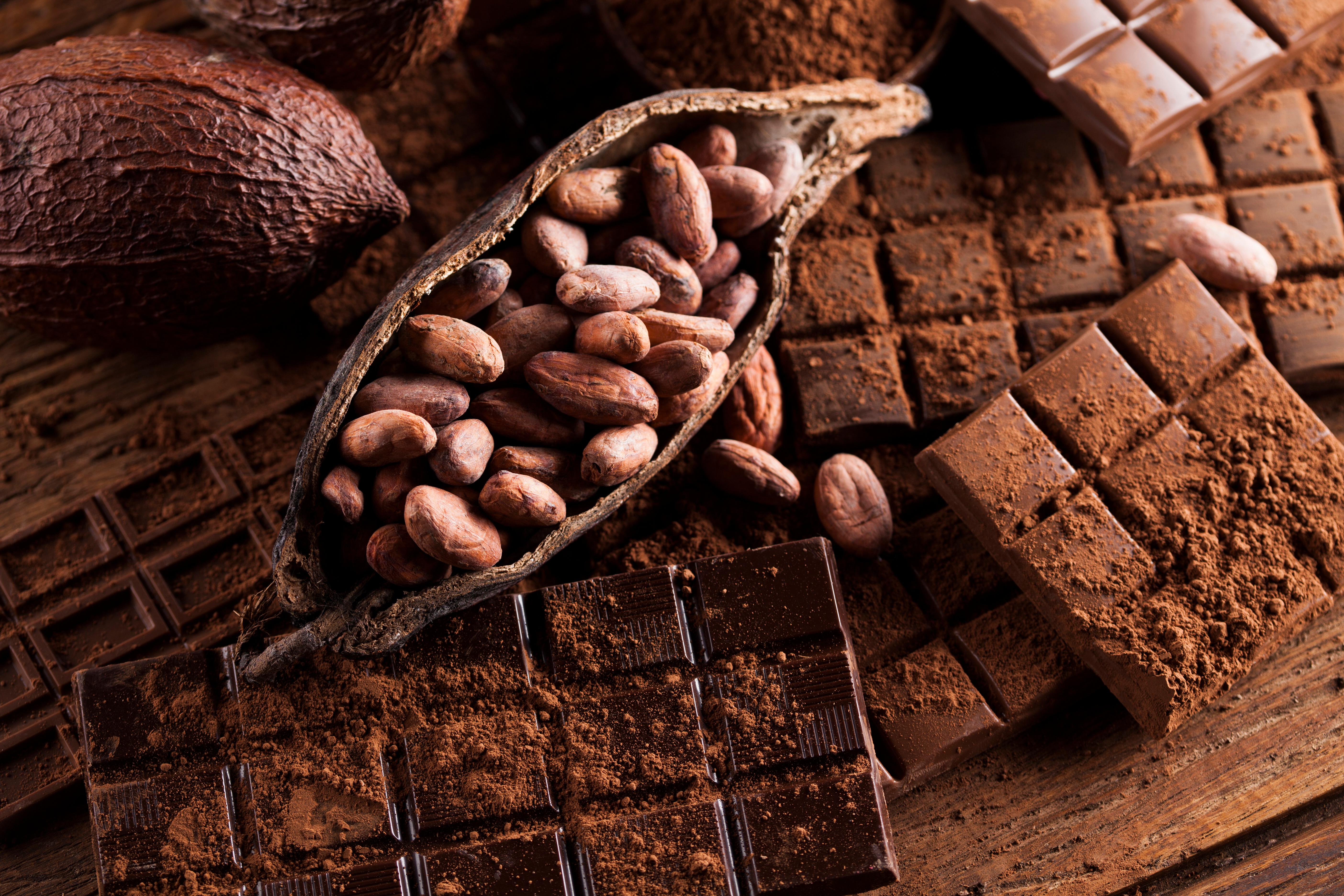
Chocolate remains one of the world’s most beloved indulgences, but the past two years have brought unprecedented volatility to the global cocoa market. From record-breaking cocoa prices in 2024 and 2025 to ongoing supply concerns in West Africa, chocolate manufacturers and brand owners have faced challenges unlike anything seen in recent decades.
Fortunately, the market is beginning to stabilize, creating new opportunities for brands looking to launch or expand private label chocolate and confectionery products.
Where the Chocolate Market Stands Today
The global chocolate market continues to grow despite higher ingredient costs and retail prices. Industry analysts estimate the worldwide chocolate market exceeded $125 billion in 2025 and is expected to continue expanding over the next decade as consumers seek premium, functional, and indulgent products.
While demand remains strong, the biggest story over the past two years has been cocoa supply.
In 2024 and early 2025, cocoa prices reached historic highs after poor harvests in Côte d’Ivoire and Ghana, which together produce more than half of the world’s cocoa supply. Weather challenges, crop disease, aging trees, and reduced yields pushed cocoa futures above levels never before seen in the modern market and were further complicated by market speculators who saw the distressed market as an opportunity.
Today, conditions have improved somewhat. Better weather and stronger crop forecasts have increased expectations for the 2025-2026 harvest season, causing cocoa prices to fall significantly from their peak levels. However, cocoa remains substantially more expensive than historical norms, and most industry experts expect a “new normal” of elevated cocoa costs compared with the pre-2023 market.
How Things Compare to Last Year
At this time last year, many manufacturers were facing severe cocoa shortages and record ingredient inflation.
Chocolate producers were implementing multiple price increases, reducing package sizes, reformulating products, and delaying new product launches as they struggled to secure raw materials. Major global chocolate manufacturers reported reduced production forecasts due to the extraordinary cost of cocoa.
Today, the environment is considerably more stable:
- Cocoa prices have fallen substantially from their 2024 highs.
- Cocoa availability has improved.
- Supply chain disruptions have eased.
- Manufacturers are gaining better visibility into future ingredient costs.
- New product development activity is increasing once again.
That said, chocolate pricing at retail has not declined significantly. Many manufacturers are still working through higher-cost inventories purchased during the market peak, and consumers continue to see elevated shelf prices.
The U.S. Chocolate Market Remains Strong
Despite rising prices, American consumers continue to purchase chocolate.
According to industry reports, U.S. confectionery sales reached a record $55 billion in 2025, demonstrating the resilience of chocolate and confectionery products even during periods of inflation. Analysts project continued growth in both premium and mainstream chocolate segments over the coming years.
Several trends continue to drive growth:
- Premium and artisanal chocolates
- Better-for-you indulgence products
- High-protein snacks with chocolate coatings
- Sugar-reduced and sugar-free chocolates
- Plant-based and dairy-free offerings
- Seasonal and gifting products
- Functional confections with added nutrients or supplements
Consumers may be buying slightly less volume in some segments, but they continue to seek high-quality chocolate experiences.
Dark Chocolate Continues to Lead Premium Growth
Dark chocolate remains one of the fastest-growing segments in premium confectionery.
Consumers are increasingly attracted to products with higher cocoa content, simpler ingredient statements, and perceived health benefits. Products featuring 60%, 70%, or even higher cocoa percentages continue to gain shelf space across retail channels.
Dark chocolate also provides formulation flexibility for brands seeking to reduce sugar levels while maintaining strong flavor profiles.
Milk Chocolate Remains the Market Leader
While dark chocolate receives much of the attention, milk chocolate continues to represent the largest portion of overall chocolate consumption in North America.
Consumers consistently gravitate toward familiar flavors and creamy textures, making milk chocolate a staple for:
- Chocolate bars
- Enrobed snacks
- Caramels
- Peanut butter cups
- Seasonal products
- Private label confectionery
For most emerging brands, milk chocolate remains the safest and broadest-appeal option.
White Chocolate Offers Premium Innovation Opportunities
White chocolate continues to be a strong platform for innovation.
Its creamy flavor and neutral color make it ideal for:
- Cookie and cream products
- Fruit-flavored inclusions
- Seasonal offerings
- Premium gifting products
- Specialty coatings and drizzles
White chocolate also pairs exceptionally well with freeze-dried fruits, inclusions, spices, and natural flavors, allowing brands to create highly differentiated products.
Chocolate Compounds Continue to Gain Attention
The extreme cocoa price volatility of the past two years has renewed interest in compound coatings.
Unlike traditional chocolate, compounds replace some or all cocoa butter with alternative vegetable fats. This can significantly reduce ingredient costs while offering excellent performance in many applications.
Compound coatings are commonly used for:
- Protein bars
- Granola bars
- Snack mixes
- Bakery decorations
- Seasonal confections
- Enrobed snack products
While premium consumers often prefer real chocolate, compound coatings can provide a valuable cost-management tool for brands seeking affordability and pricing stability.
Sugar Alternatives Are Driving New Product Development
The market for reduced-sugar and sugar-free chocolate products continues to expand.
Today’s formulations utilize sweeteners such as:
- Allulose
- Erythritol
- Monk Fruit
- Stevia
- Soluble fibers
- Other specialty sweetener systems
Advances in ingredient technology have significantly improved taste and texture compared to earlier generations of sugar-free chocolate.
As consumers increasingly focus on reducing sugar intake, brands are finding opportunities to develop products that deliver indulgence without the traditional sugar load.
What About Cocoa Butter?
Cocoa butter has followed many of the same pricing trends as cocoa beans.
Over the past two years, cocoa butter experienced dramatic price increases due to tight cocoa supplies and elevated processing costs. While pricing has moderated as cocoa markets have stabilized, cocoa butter remains considerably more expensive than historical averages.
This continues to influence:
- Premium chocolate formulations
- White chocolate production
- Specialty confectionery products
- Coatings and enrobed applications
Many manufacturers continue evaluating formulation alternatives and hybrid solutions to manage costs while maintaining product quality.
Partner with World Wide Gourmet Foods for Your Private Label Chocolate Program
At World Wide Gourmet Foods, we understand the rapidly changing chocolate marketplace and help brands navigate ingredient sourcing, formulation, manufacturing, packaging, and commercialization.
Our capabilities include:
- Chocolate bars
- Peanut butter cups
- Chocolate-covered Truffles
- Chocolate-covered grahams
- Chocolate-covered Caramels
- Enrobed snacks
- Protein bars
- Chocolate-coated bites
- Seasonal confectionery
- Sugar-reduced and sugar-free products
Whether your brand is seeking premium dark chocolate, traditional milk chocolate, innovative white chocolate products, compound-coated snacks, or reduced-sugar confections, our team can help bring your concept to market efficiently and cost-effectively.
As cocoa markets continue to stabilize and consumer demand remains strong, now is an excellent time to evaluate new chocolate product opportunities. World Wide Gourmet Foods combines decades of confectionery manufacturing experience with flexible production capabilities to help brands launch successful products in today’s evolving marketplace.
To learn more about our chocolate and confectionery manufacturing services, contact World Wide Gourmet Foods and discover how we can help turn your next chocolate concept into a retail-ready product.
Leave a Reply