
-

Food flavors are everywhere — from the vanilla in your ice cream to the smoky note in a barbecue chip. But how are these flavors actually created? And what’s the difference between natural and artificial flavors? Let’s break it down. How Flavors Are Created Extracts Extracts are made by soaking raw materials (such as vanilla…
-
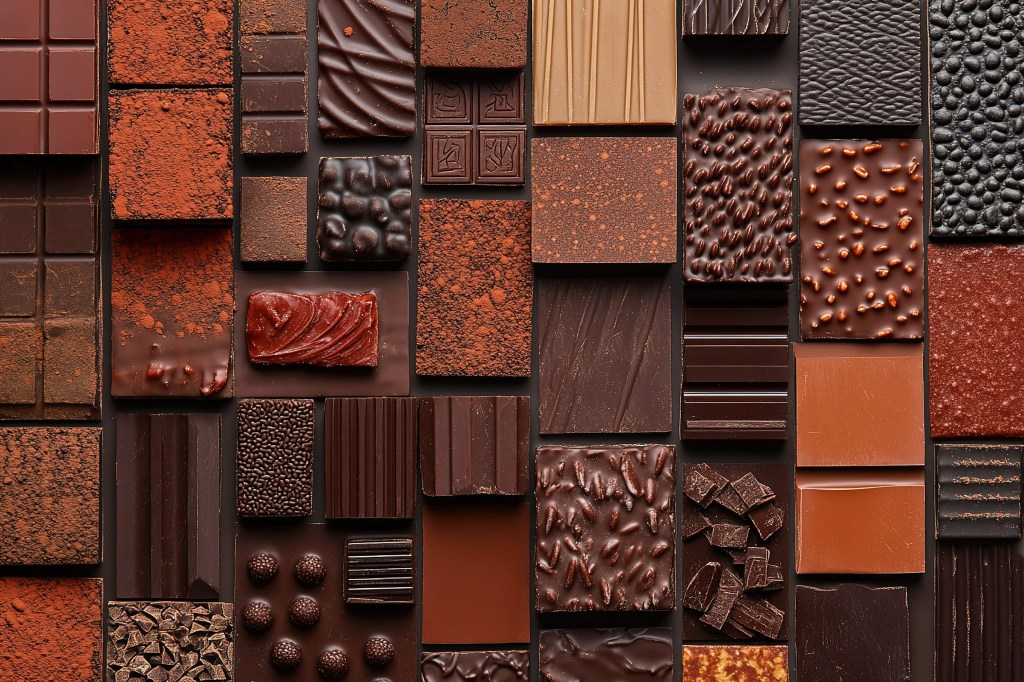
1. Flavor Focus: From Brown Sugar to Bold Global Profiles Takeaway: 2025’s flavor story shifted—brown sugar remains popular, but adventurous international flavors are now the dominant trend. 2. Health & Clean Label: Strengthening Across the Aisle Takeaway: Clean labels and health credentials are no longer optional—they’re being institutionalized. 3. Sustainability & Packaging: From Concept to…
-
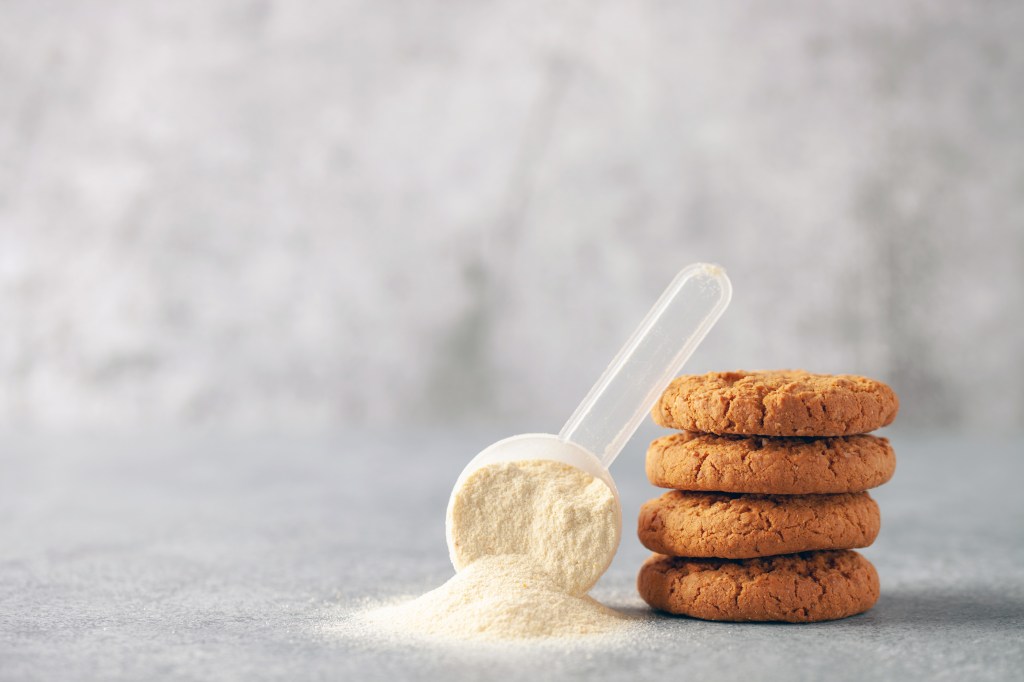
As demand for protein-rich snacks continues to rise across mainstream and specialty markets, protein cookies have become a go-to format for brands aiming to deliver indulgence with function. Whether your brand focuses on fitness enthusiasts, health-conscious consumers, or snackers looking for better-for-you options, developing a successful protein cookie involves more than just adding protein powder…
-
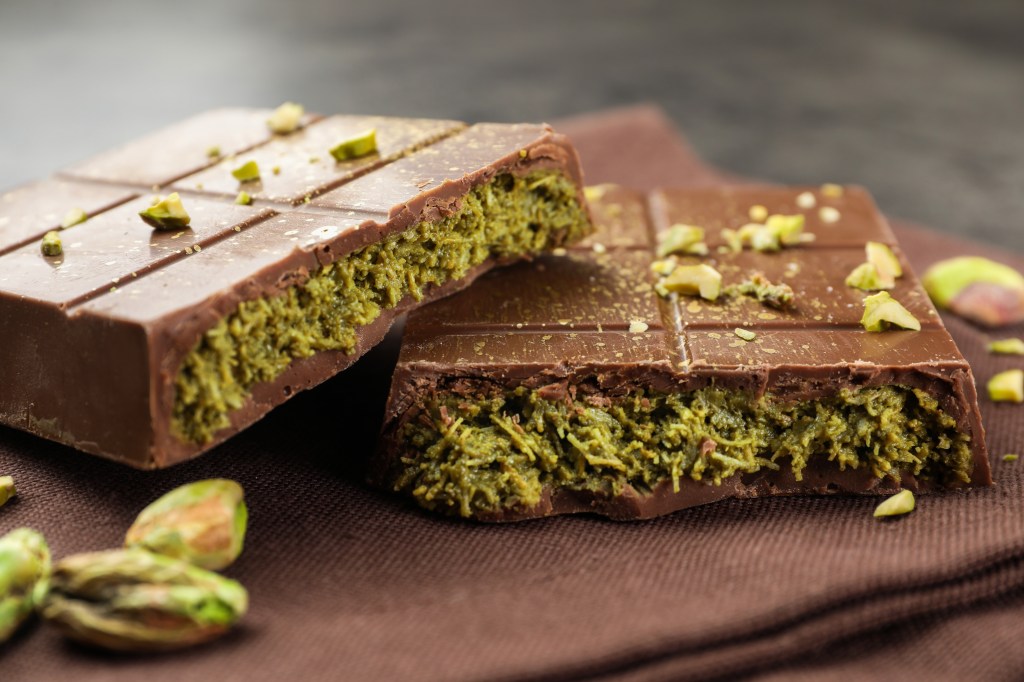
The chocolate bars coming out of Dubai—often showcased by premium brands like Mirzam, Bateel, and Al Nassma—are redefining indulgence. They feature luxurious textures, unexpected flavor combinations, and ingredients inspired by Middle Eastern heritage and global sophistication. For brands and manufacturers looking to enter this high-end niche or develop products with similar appeal, understanding how to…
-
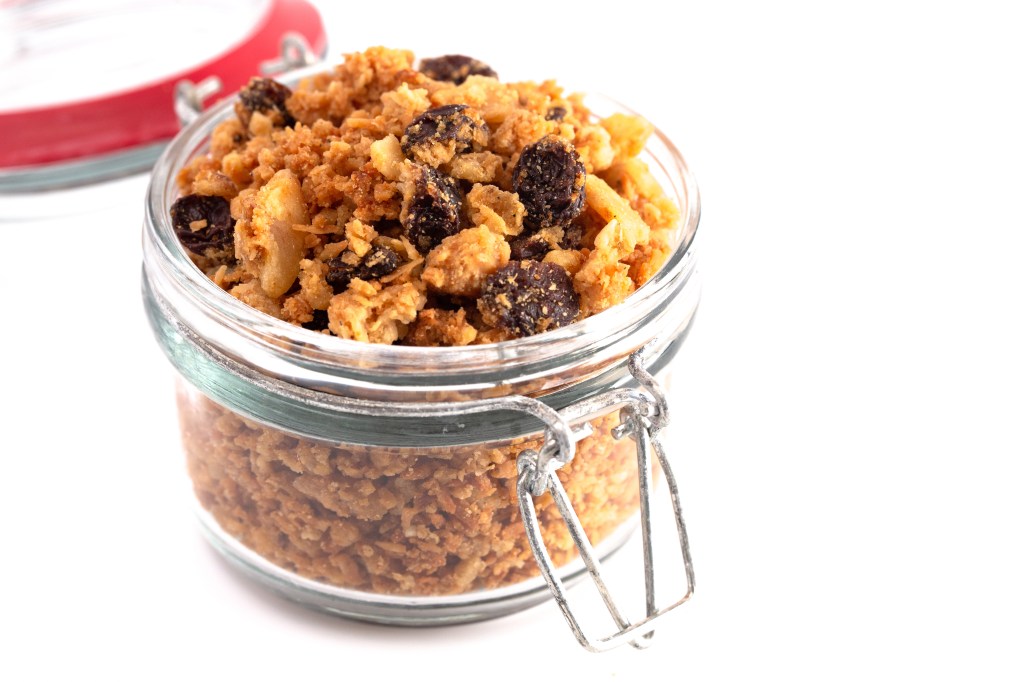
Grain-free granola has emerged as a staple in the better-for-you category, appealing to keto, paleo, gluten-free, and low-carb consumers. As demand for functional, low-glycemic snacks continues to rise, manufacturers have the opportunity to innovate within this space—without compromising on taste, texture, or shelf stability. Here’s a guide to building a successful grain-free granola product at…
-
In today’s competitive baked goods market, packaging plays a crucial role not only in protecting the product but also in influencing consumer buying decisions, maintaining freshness, and supporting brand identity. From cookies and granola to cereals, donuts, and snack mixes, manufacturers have several popular packaging options to choose from—each with its own advantages and limitations.…
-

Over the past year, the global chocolate industry has found itself in uncharted territory. Raw cocoa prices have skyrocketed to record highs, driven by a perfect storm of weather disruptions, disease in West Africa’s cocoa crop, and longstanding structural challenges in global supply chains. For confectioners and bakers alike, the ripple effects are profound —…
-
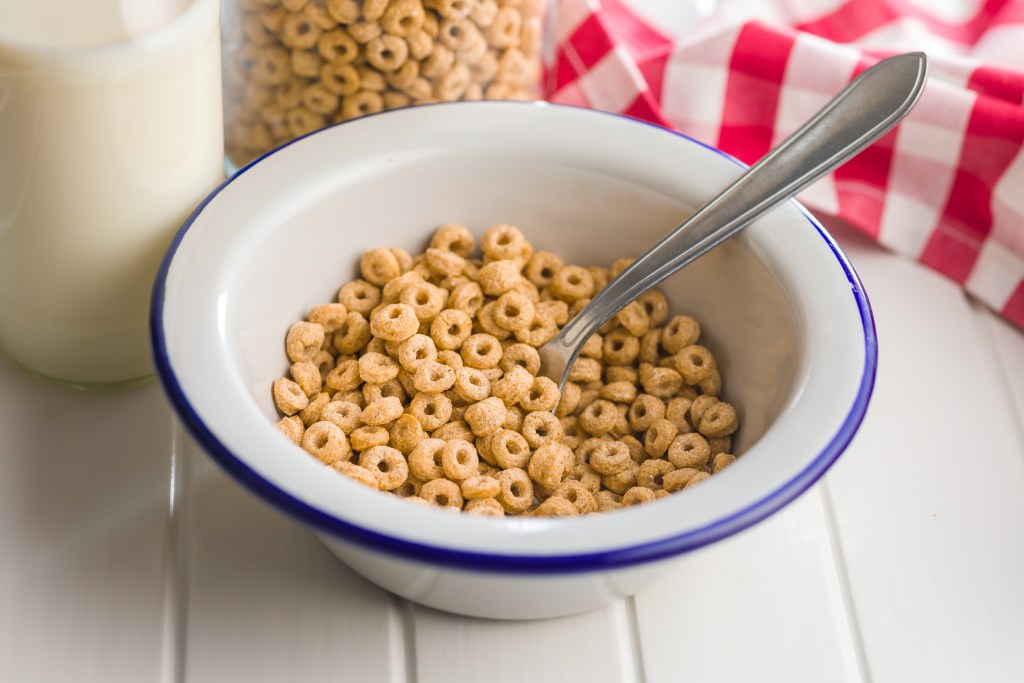
The cereal aisle is undergoing a transformation. Consumers are looking for more than nostalgia in a box — they want function, especially high protein and low sugar. But developing a cereal that checks all those boxes and holds up in milk or yogurt? That takes smart formulation. Whether you’re building the next best-selling breakfast brand…
-
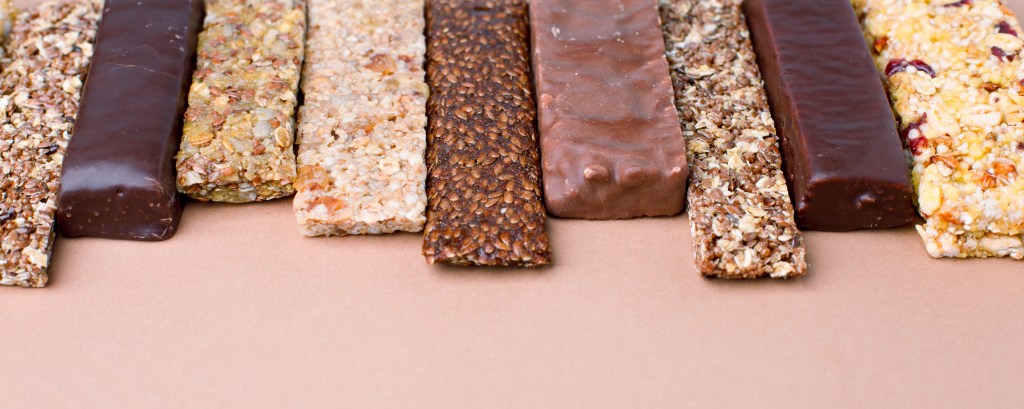
With the rise of on-the-go eating, meal replacement bars have become a staple for busy professionals, athletes, and health-conscious consumers alike. But let’s be honest — not all bars are created equal. Many are glorified candy bars in disguise, while others leave you hungry an hour later. So, how do you create a meal replacement…
-

SUSTAINABILITY UPDATE At World Wide Gourmet Foods, we’re committed to not only making great products but also making choices that protect the world we all share. That’s why we’re transitioning the plastic tubs used for our graham products to 100% post-consumer recycled (PCR) material — and we want to share why this change matters. Why…
 World Wide Gourmet Foods