
Category: Uncategorized
-
Visit World Wide Gourmet Foods at the 2025 PLMA Show in Chicago

November 16–18 | Booth F3209 | North Hall, Donald E. Stephens Convention Center World Wide Gourmet Foods is excited to announce our participation in the 2025 Private Label Manufacturers Association (PLMA) Show in Chicago! Join us November 16–18 at the Donald E. Stephens Convention Center, Booth F3209 in the North…
-
Bringing Thanksgiving Flavors into Packaged Baked Goods and Confections
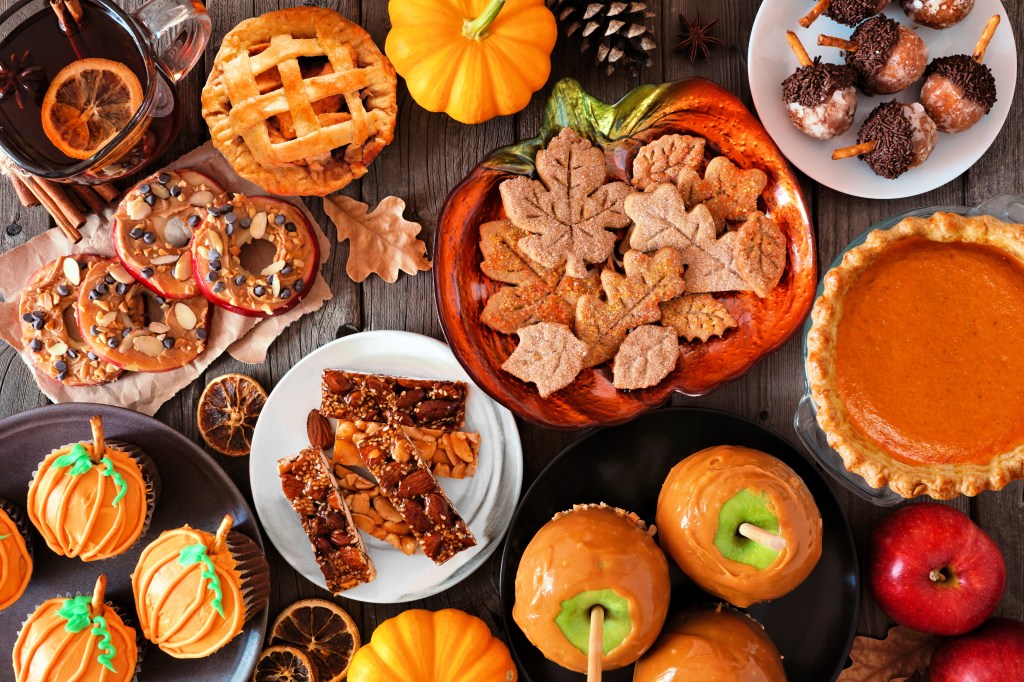
Few seasons evoke the warmth and nostalgia of Thanksgiving like the flavors that define it — pumpkin pie, maple, cranberry, pecan, cinnamon, and caramelized brown sugar. These comforting notes aren’t just for the holiday table anymore. Brands are finding innovative ways to incorporate classic Thanksgiving flavors into packaged baked goods…
-
The Rise of Active Nutritional Products in Baked Goods & Confections

In today’s functional food landscape, indulgence and nutrition are no longer mutually exclusive. Consumers are seeking snacks and treats that not only satisfy cravings but also do something for their body or mind. This has given rise to a fast-growing category of active nutritional products in packaged baked goods and…
-
Preserving Texture When Converting Traditional Recipes to Plant-Based Formulations
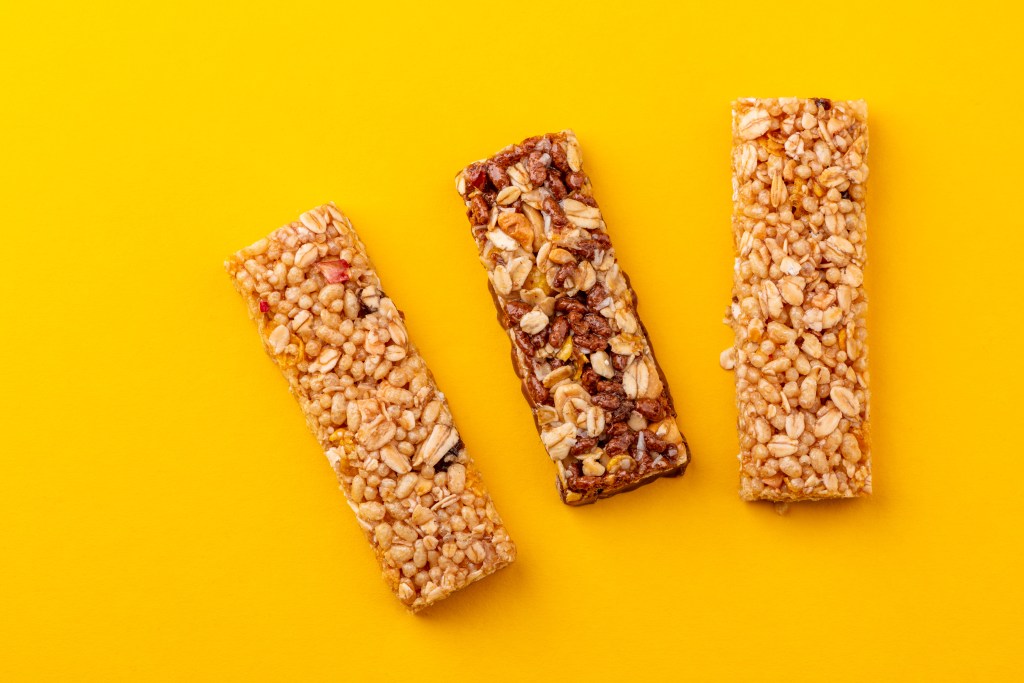
How to Keep the “Bite,” “Snap,” and “Chew” Consumers Expect in Baked Goods and Confections As consumer demand for plant-based products continues to surge, one of the biggest challenges for food brands is maintaining the satisfying textures that define indulgent baked goods and confections. Texture—whether it’s the tender crumb of…
-
Newstalgia: Where Comfort Meets Modern Innovation in Baked Goods and Confections

Food trends come and go, but few have struck as deep an emotional chord—or shown as much commercial staying power—as newstalgia. A blend of “new” and “nostalgia,” this movement celebrates the flavors and textures we grew up loving while reimagining them for today’s ingredient-conscious, experience-driven consumers. For brand owners in…
-
The Magic of Pumpkin Spice: Bringing Autumn’s Favorite Flavor to Better-for-You Baked Goods
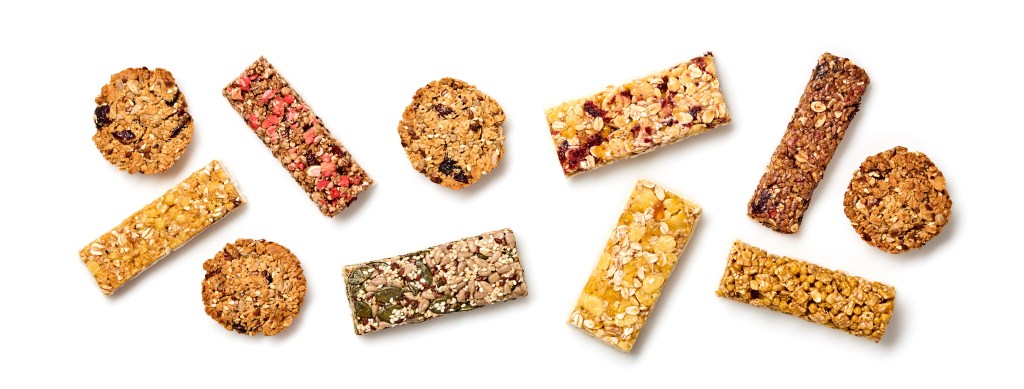
Few flavor profiles signal the arrival of fall quite like pumpkin spice. This cozy blend of warm spices — typically cinnamon, nutmeg, ginger, allspice, and cloves — has become synonymous with comfort, nostalgia, and the changing of seasons. But while traditional pumpkin spice treats are often loaded with sugar, there’s…
 World Wide Gourmet Foods