

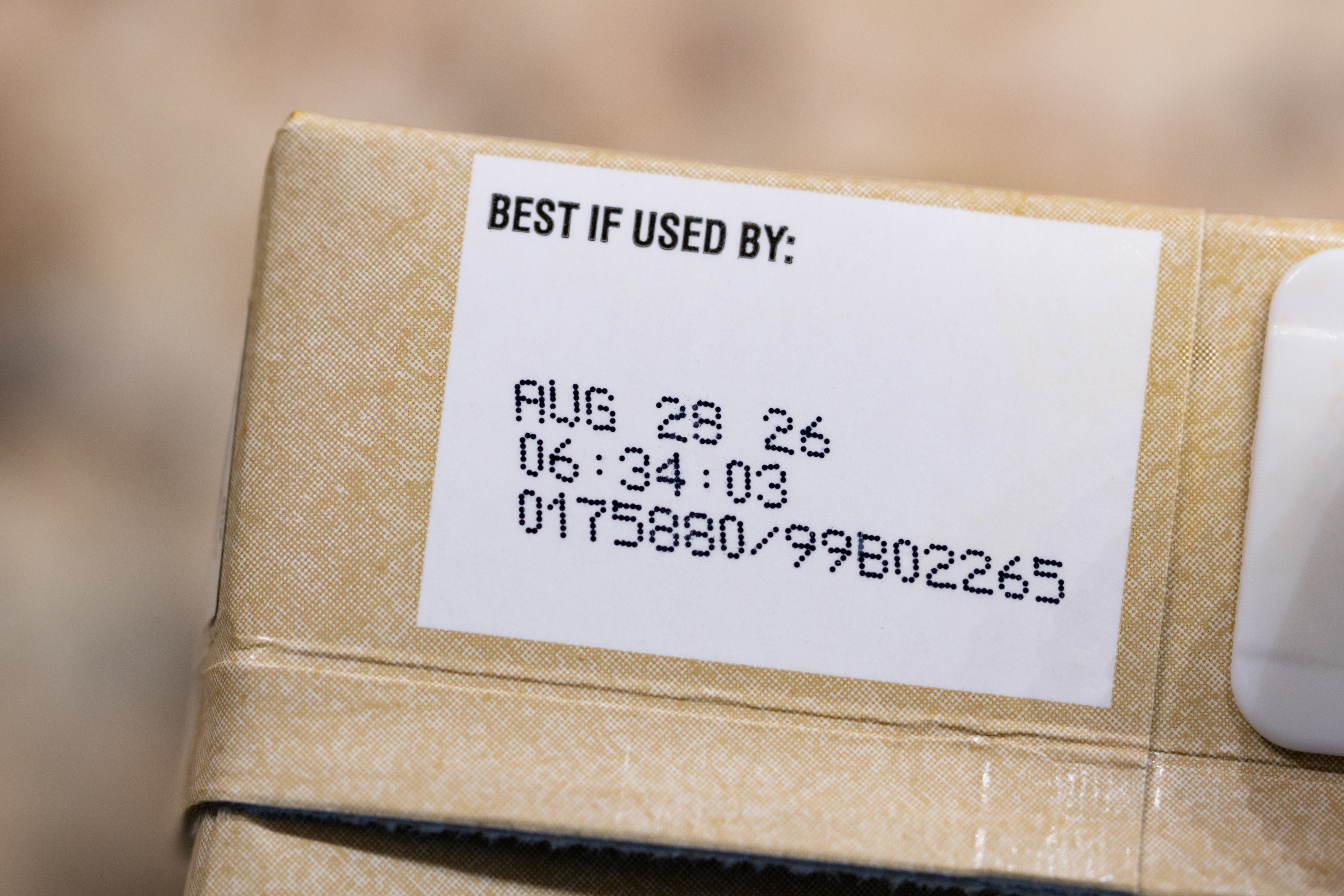
California is changing the way packaged foods display date labels, becoming the first state in the nation to standardize “best by” and “use by” terminology on food packaging. The new law, Assembly Bill 660 (AB 660), was signed into law in 2024 and officially goes into effect on July 1, 2026.
For food manufacturers, co-packers, retailers, and brand owners, this law will require updates to packaging and labeling systems for products sold in California.
Why California Is Changing Food Date Labels
The primary reason behind the new legislation is to reduce consumer confusion and decrease food waste.
Today, food packaging uses a wide variety of phrases such as:
- “Sell By”
- “Best By”
- “Expires On”
- “Freshest Before”
- “Enjoy By”
Many consumers mistakenly interpret these dates as strict food safety deadlines, even when the dates are actually intended for inventory rotation or peak product quality. According to lawmakers and food waste organizations, this confusion leads consumers to throw away large amounts of perfectly safe food.
California estimates that standardizing date labels could significantly reduce unnecessary food waste while helping consumers better understand the difference between food quality and food safety.
What AB 660 Requires
Beginning July 1, 2026, manufacturers, processors, and retailers that place date labels on packaged foods sold in California must use standardized terminology.
The law creates two approved categories of date labels:
Quality Dates
These indicate when a product is at peak freshness or quality, but may still be safe to consume afterward.
Approved phrases include:
- “BEST if Used by”
- “BEST if Used or Frozen by”
Safety Dates
These indicate when a product should be consumed or frozen for food safety reasons.
Approved phrases include:
- “USE by”
- “USE by or Freeze by”
The law also allows abbreviations such as “BB” and “UB” for very small packages or certain beverage containers.
“Sell By” Dates Will Be Banned
One of the biggest changes is that consumer-facing “Sell By” dates will no longer be allowed on most packaged foods sold in California after July 1, 2026.
Retailers may still use internal coded inventory rotation systems, but those dates cannot appear in a format intended for consumers. The goal is to eliminate the misunderstanding that “sell by” means unsafe to eat.
Does the Law Require All Foods to Have Date Labels?
No.
AB 660 does not require all foods to carry date labels. Instead, the law standardizes the wording if a manufacturer chooses—or is otherwise legally required—to use a date label.
Certain products are also exempt from portions of the law, including:
- Infant formula
- Eggs
- Beer and malt beverages
- Wine and distilled spirits
What This Means for Food Brands and Manufacturers
Food companies selling products into California should begin reviewing packaging now to prepare for compliance before the July 1, 2026 deadline.
Key steps may include:
- Updating packaging artwork
- Revising label copy
- Coordinating packaging inventory transitions
- Adjusting ERP and coding systems
- Training quality and regulatory teams
- Communicating changes to retail partners
Many national brands may choose to standardize packaging across all states rather than maintain separate California-specific labels. Industry experts believe California’s law could eventually influence national food labeling standards.
How This Impacts Co-Manufacturing and Packaging Operations
For co-manufacturers and contract packers, the law creates an important opportunity to help brands navigate compliance smoothly.
Packaging transitions often involve:
- New film and carton artwork approvals
- Label validation
- Inventory depletion planning
- Coding equipment updates
- Retail timing coordination
- Regulatory review
Brands that wait too long to begin these updates may face supply chain disruptions or obsolete packaging inventory as the compliance date approaches.
Preparing for 2026
Although July 2026 may seem far away, packaging revisions and retailer transitions often require long lead times. Brands should begin evaluating existing labels now to determine:
- Which products currently use “Sell By” terminology
- Whether products should use quality dates or safety dates
- How much packaging inventory may need to be transitioned
- Whether nationwide label standardization makes sense
California’s AB 660 represents one of the most significant food labeling changes in recent years and reflects a broader industry movement toward clearer communication, sustainability, and food waste reduction.
How World Wide Gourmet Foods Can Help
At World Wide Gourmet Foods, we closely monitor changing food labeling and regulatory requirements, including California’s new AB 660 date labeling law that takes effect on July 1, 2026.
As a co-manufacturer serving brands across the United States, we understand how rapidly packaging regulations can evolve and how important it is for brands to remain compliant when shipping products into California and other highly regulated markets.
Our team can help advise customers on:
- Proper use of “BEST if Used by” and “USE by” terminology
- Packaging and artwork updates
- Coding and date label implementation
- Packaging transition planning
- Retail and distributor compliance considerations
- Coordination of revised films, cartons, and labels
- Inventory management during packaging changes
- Regulatory considerations for products distributed into California
Because packaging changes often require long lead times and coordination across multiple suppliers, we encourage brands to begin reviewing their date labeling systems well ahead of the July 1, 2026 compliance deadline.
World Wide Gourmet Foods works with emerging and established brands to navigate packaging, regulatory, and commercialization challenges while helping bring high-quality packaged foods to market efficiently and compliantly.
Leave a Reply