

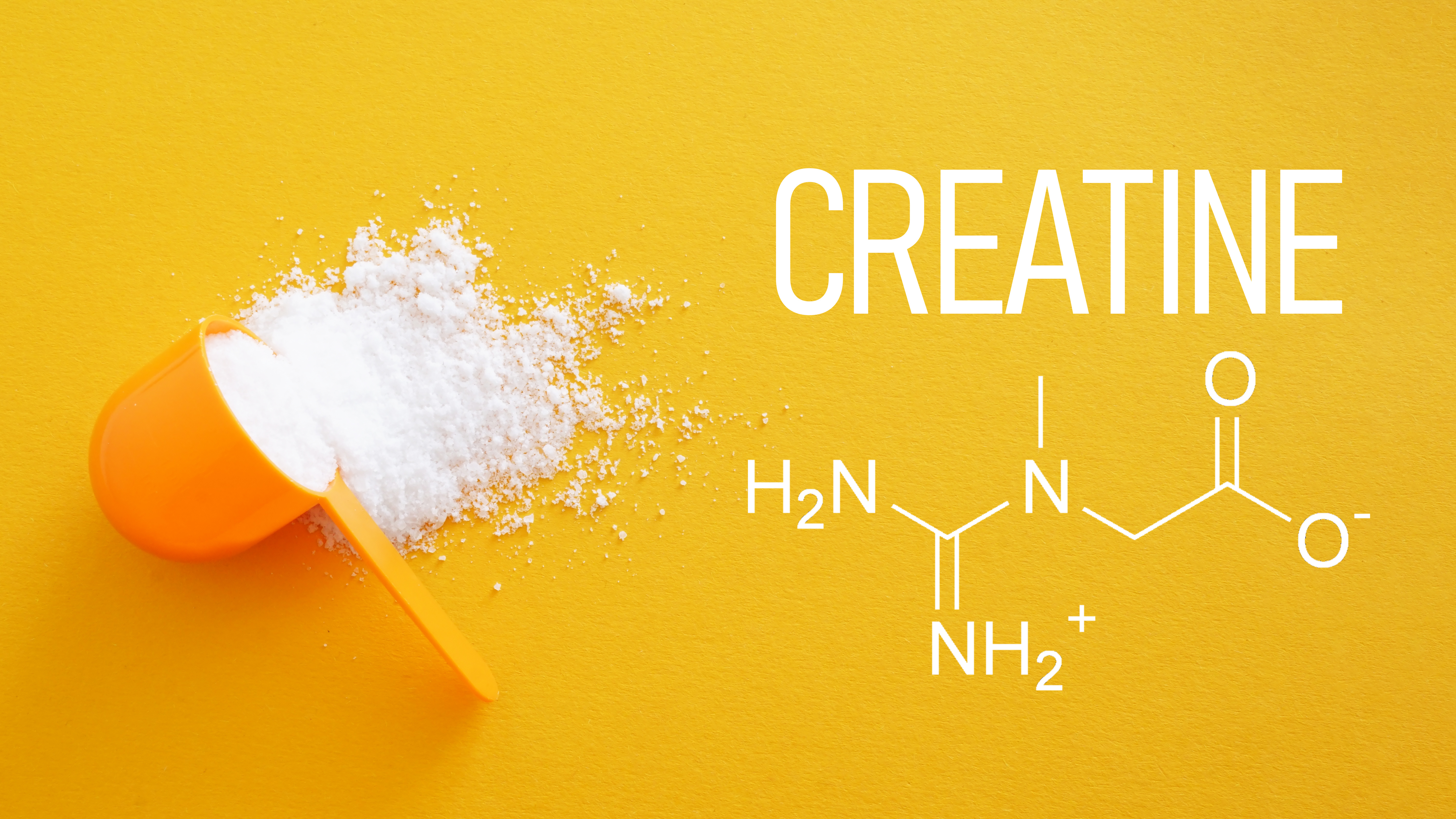
The functional food category continues to evolve beyond traditional protein fortification, and one ingredient attracting increasing attention is Creatine. Long associated with sports nutrition powders and ready-to-drink beverages, creatine is now beginning to appear in packaged baked goods, nutrition bars, chocolates, cookies, cereals, and confections as brands look for new ways to support performance, recovery, cognition, and healthy aging.
At World Wide Gourmet Foods, we work with brands to help formulate and commercialize functional baked goods and confections that incorporate challenging ingredients like creatine while maintaining great taste, texture, shelf life, and manufacturability.
What Is Creatine?
Creatine is a naturally occurring compound made from amino acids and found primarily in muscle tissue. It plays a critical role in cellular energy production, especially during short bursts of high-intensity activity. While creatine has historically been associated with athletes and bodybuilders, newer research and consumer interest have expanded its appeal into broader wellness categories including:
- Active lifestyle products
- Healthy aging formulations
- Cognitive wellness
- GLP-1 supportive nutrition products
- Everyday functional snacks
- Recovery-focused foods
Most commercial food applications use creatine monohydrate due to its stability, availability, and relatively neutral flavor profile.
How Much Creatine Is Reasonable in a Food Product?
Most consumers familiar with creatine supplementation associate it with a daily serving of approximately 3–5 grams. In packaged foods, however, formulation realities often require balancing efficacy, flavor, processing stability, serving size, and cost.
Reasonable creatine inclusion levels in functional foods often include:
- 1–2 grams per serving for mainstream snacks
- 3–5 grams per serving for performance-oriented products
- Lower “stacked” levels when paired with protein, caffeine, amino acids, or other functional ingredients
The ideal dosage depends heavily on:
- Serving size
- Product positioning
- Flavor system
- Moisture activity
- Processing conditions
- Regulatory and label considerations
A cookie, chocolate, or nutrition bar delivering 3 grams of creatine can be compelling from a marketing perspective, but it also introduces technical formulation challenges that must be managed carefully.
How Creatine Behaves in Baked Goods
Creatine is generally more stable in dry systems than in high-moisture or highly acidic environments. In baked goods, several variables can affect stability and performance:
Heat Exposure
High baking temperatures and extended bake times can contribute to degradation over time, especially in products with:
- High moisture
- Low pH
- Long thermal exposure
However, creatine can still work effectively in many baked applications when properly formulated. The key is controlling:
- Bake temperature
- Residence time
- Water activity
- Dough composition
- pH balance
At WWGF, we help brands evaluate whether creatine should be:
- Incorporated directly into the dough
- Added through inclusions
- Layered into coatings
- Applied post-bake
- Combined with other functional systems
Texture Considerations
Creatine monohydrate is a crystalline powder, and at higher inclusion levels it can contribute:
- Slight grittiness
- Chalkiness
- Dry mouthfeel
- Increased density
These effects become more noticeable in:
- Thin cookies
- Crisp products
- Low-fat systems
- Chocolates with smooth melt profiles
Balancing particle size, sweeteners, fats, fibers, proteins, and emulsifiers becomes critical to maintaining a premium eating experience.
Creatine in No-Bake Products
No-bake systems are often one of the best delivery vehicles for creatine because they avoid thermal degradation concerns.
Excellent no-bake applications include:
- Protein bars
- Truffles
- Refrigerated snacks
- Energy bites
- Granola clusters
- Nut and seed products
- Chocolate-coated centers
Because creatine remains largely intact in these systems, brands can often achieve higher potency claims with less formulation loss.
That said, no-bake products introduce other challenges:
- Moisture migration
- Shelf-life stability
- Mineral interactions
- Flavor masking
- Texture hardening over time
High-protein systems especially can become firm or dense during shelf life if the overall water balance is not properly managed.
Creatine in Chocolate and Confections
Chocolate and confectionery products present unique opportunities for creatine fortification because they naturally align with indulgence and functional positioning.
Potential applications include:
- Functional chocolate bars
- Protein chocolates
- Filled chocolates
- Chocolate-covered grahams
- Truffles
- Peanut butter cups
- Better-for-you confections
However, chocolate systems are extremely sensitive to texture. Poorly dispersed creatine can create:
- Graininess
- Sandy mouthfeel
- Reduced melt quality
- Flavor imbalance
Creatine also does not dissolve into fat systems the same way certain flavor compounds do, so particle management becomes extremely important.
At WWGF, we often evaluate:
- Particle size optimization
- Suspension systems
- Layering techniques
- Compound coatings vs. real chocolate
- Inclusion strategies
- Protein/fiber interactions
- Moisture barriers between layers
This becomes especially important in products combining:
- Creatine
- Protein crisps
- Fiber systems
- Reduced sugar sweeteners
- Functional caffeine systems
- Adaptogens or nootropics
Flavor Pairings That Work Well with Creatine
Because creatine itself has a relatively mild flavor profile, it can work across a wide variety of flavor systems. Stronger or more indulgent flavors tend to mask functional notes best.
Popular combinations include:
- Chocolate peanut butter
- Cookies & cream
- Brownie batter
- Cinnamon roll
- Mocha
- Salted caramel
- Dark chocolate sea salt
- S’mores
- Birthday cake
- Vanilla almond
Chocolate systems are often especially effective because cocoa and fats help round out any residual mineral notes.
Shelf Life and Stability Considerations
Functional products require more than simply adding ingredients to a formula. Long-term stability matters.
Creatine-containing products should be evaluated for:
- Potency retention over shelf life
- Moisture migration
- Water activity
- Texture changes
- Fat bloom in chocolates
- Flavor stability
- Protein interaction effects
- Packaging barrier requirements
Packaging selection can significantly impact shelf life, particularly in:
- High-protein bars
- Chocolates
- Moisture-sensitive baked goods
Barrier films, oxygen control, and environmental conditions all play a role in maintaining product quality and active ingredient stability.
Why Brands Partner with World Wide Gourmet Foods
At World Wide Gourmet Foods, we help brands bridge the gap between functional nutrition concepts and scalable commercial manufacturing.
Our capabilities include:
- Functional baked goods
- Protein bars
- Cereals and granolas
- Chocolate and confections
- Enrobed products
- Cookies
- Better-for-you snacks
- Functional inclusions and coatings
We help brands navigate:
- Functional ingredient integration
- Flavor optimization
- Shelf-life challenges
- Texture balancing
- Pilot production
- Scale-up
- Packaging selection
- Commercial manufacturing
Whether you are developing a high-performance sports nutrition product or a mainstream wellness snack with added functionality, successful creatine incorporation requires both formulation expertise and manufacturing experience.
As functional foods continue evolving, creatine is positioned to become an increasingly important ingredient in packaged baked goods and confections — especially for brands looking to combine indulgence with performance-driven nutrition.
Leave a Reply