

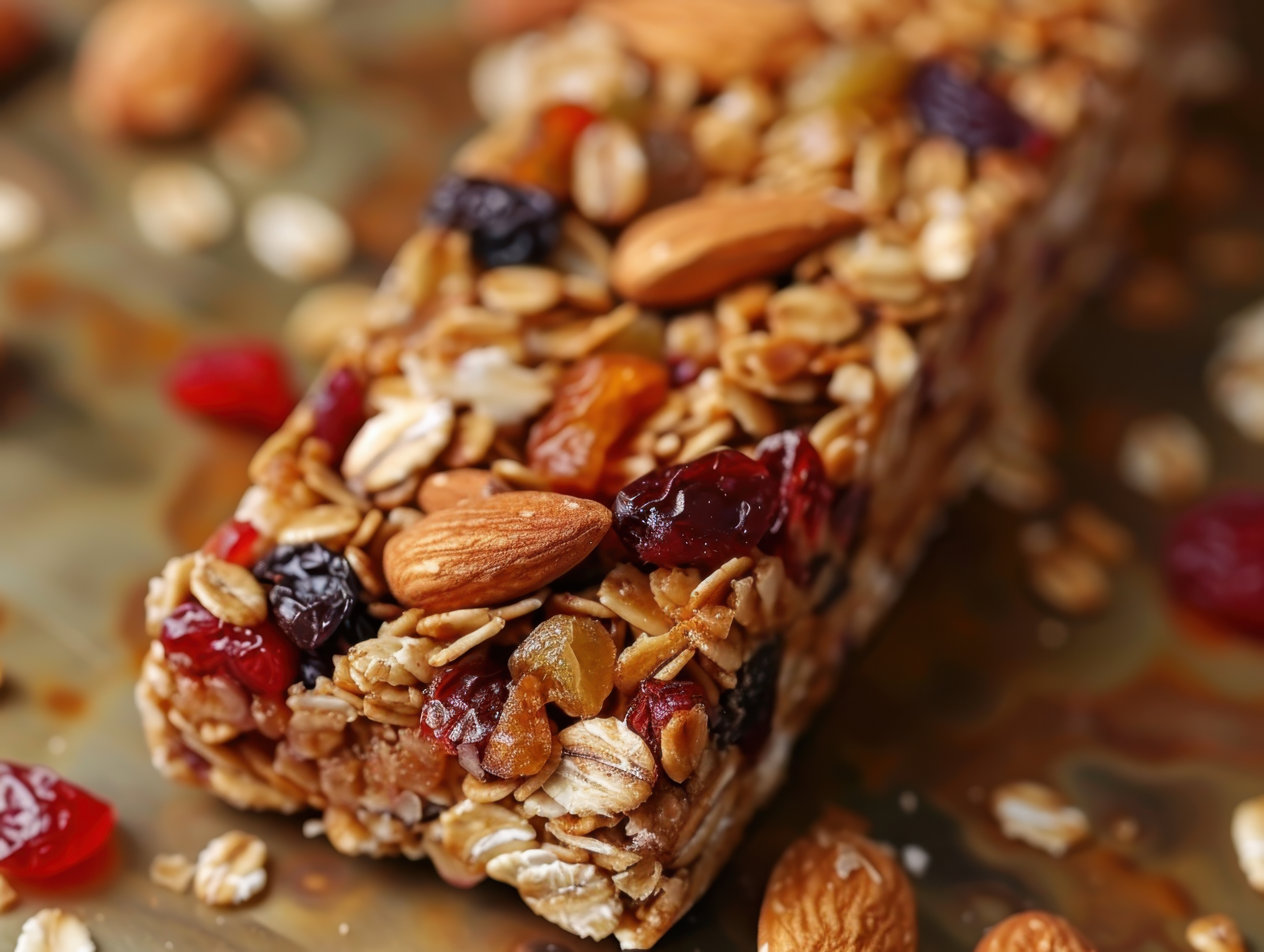
When launching a meal replacement bar, collaborating with the right manufacturer is critical to ensuring your product’s success. Whether you’re a new startup or an established brand expanding your product line, the journey from concept to production can be complex. Here’s a step-by-step guide on how to approach working with a manufacturer to develop a successful meal replacement bar.
1. Define Your Product Vision
Before you approach a manufacturer, it’s essential to clearly define your product. Ask yourself:
- What purpose will the bar serve? (e.g., protein-heavy, low-carb, energy-boosting)
- What dietary requirements does it meet? (e.g., vegan, gluten-free, keto-friendly)
- What are the main nutritional targets? (e.g., macros, vitamins, minerals)
- How should it taste and feel? (e.g., chewy, crunchy, soft)
Having a detailed product vision will help you communicate clearly with your manufacturer and set the stage for successful collaboration.
2. Select the Right Manufacturer
Not all manufacturers are the same. Choose a partner experienced in making meal replacement bars, with the right certifications and capabilities that match your needs. Look for these qualities:
- R&D Support: A manufacturer with research and development capabilities can help fine-tune your product, from flavor and texture to shelf stability.
- Certifications: Make sure the facility meets the food safety certifications required for your product GMP or SQF/GFSI accreditation.
- Customization Capabilities: If your bar has unique ingredients or processing needs, such as enrobing or specific cooling methods, ensure your manufacturer can handle these.
3. Establish Clear Communication
Once you’ve selected a manufacturer, clear communication is key. Establish early on:
- Production timeline expectations: From prototypes to final production, align on timelines.
- Quantity expectations: Ensure that your initial order volume is aligned with the manufacturer’s minimum order quantities (MOQs). Negotiate batch sizes to fit your budget and market entry.
- Packaging considerations: Discuss whether the manufacturer offers packaging options or if you need to source your own. Ensure packaging supports your product’s freshness and branding goals.
4. Develop the Recipe with Flexibility
Be prepared for adjustments to your original recipe. Your manufacturer’s R&D team may suggest modifications for better texture, extended shelf life, or improved manufacturing efficiency. Here’s what to keep in mind:
- Ingredient sourcing: Some ingredients may be more challenging to source at scale. Ensure your manufacturer has supply chain solutions for consistent ingredient quality.
- Shelf stability: Meal replacement bars often require a long shelf life, so the inclusion of preservatives or other additives may be necessary, but these should align with your brand values.
- Flavor testing: Create prototypes and run multiple taste tests, including feedback from potential customers. Manufacturers may offer small-batch production runs for sampling purposes.
5. Ensure Compliance with Regulations
Depending on your target market, meal replacement bars are often subject to strict labeling and health claims regulations. Work closely with your manufacturer to ensure:
- Accurate nutritional labeling: Based on the final recipe, make sure your manufacturer can provide the necessary nutritional analysis.
- Allergen labeling: Clearly indicate any potential allergens, such as the typical allergens in a bakery or confection plant: peanuts, tree nuts, soy, eggs, sesame, wheat or dairy.
- Claims verification: If you’re making health or nutritional claims (e.g., “high in protein,” “low in sugar”), ensure these claims are backed by data and comply with regulatory standards.
6. Negotiate Production and Distribution Logistics
After your recipe is finalized, establish agreements on production frequency, storage, and distribution:
- Production scheduling: Find out how often the manufacturer can run your product and if they can scale up as demand grows.
- Warehousing and distribution: Some manufacturers offer fulfillment services, including warehousing and shipping. If they don’t, make sure you have a plan in place for getting your bars to distributors or direct to customers.
- Quality control: Set up regular check-ins with the manufacturer to ensure consistent quality throughout production. This can include batch testing and visual inspections of the product and packaging.
7. Plan for the Future
Successful brands understand that the launch is just the beginning. As you work with your manufacturer, keep an eye on future growth opportunities:
- New flavors or variations: Collaborate with your manufacturer on ideas for expanding the product line with new flavors or variations.
- Product scaling: As demand increases, discuss scaling production with your manufacturer, including potential cost-saving opportunities or improved production efficiencies.
- Sustainability: Consider ways to enhance sustainability in both your product and packaging. Many manufacturers are moving towards eco-friendly packaging solutions and more responsible sourcing practices.
Conclusion
Developing a meal replacement bar is an exciting opportunity, but the key to success lies in a strong partnership with your manufacturer. By aligning on expectations, maintaining open communication, and staying flexible, you can bring a high-quality, market-ready product to life. As you grow, your manufacturer can continue to support your evolution and help you stay competitive in a crowded market.
By following these steps and building a strong relationship with your manufacturing partner, you’ll be well on your way to creating a successful meal replacement bar that resonates with consumers and stands out on the shelves.
World Wide Gourmet Foods provides a full turnkey solution for meal replacement bars. We have a Research and Development team as well as partnerships with third party labs that can provide you with shelf-life testing and nutrition panel generation. Contact us today for help with your bar project!