

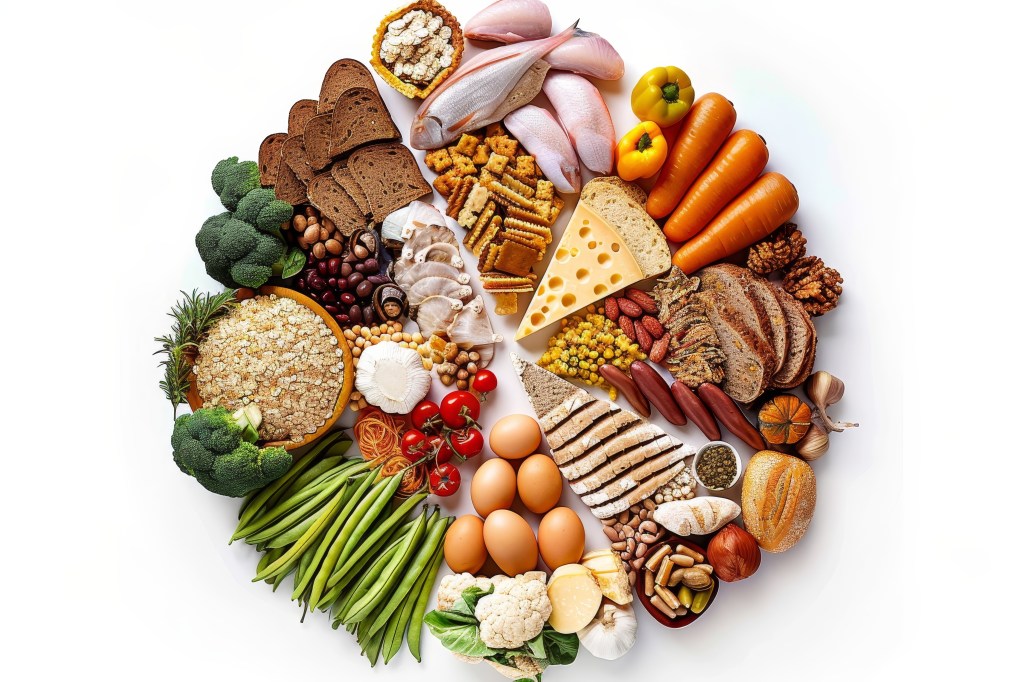
When it comes to nutrition, we often hear about the importance of a balanced diet, which includes both macronutrients and micronutrients. These two types of nutrients play essential roles in maintaining our overall health, and they can be incorporated into various types of foods—even baked goods and confections! In this post, we’ll break down the difference between these nutrients and explore creative ways to include them in your favorite treats.
What Are Macronutrients?
Macronutrients are the nutrients that our bodies need in larger amounts to provide energy and support essential bodily functions. There are three main types:
- Carbohydrates: These are the body’s primary energy source. In baking, carbohydrates are typically found in flour, sugar, and other starchy ingredients. For example, when you bake bread, cookies, or cakes, the flour and sugar provide a significant portion of the carbs.
- Proteins: Protein is vital for muscle repair and growth, and it plays a key role in enzyme function. Eggs, dairy products like milk and butter, and certain types of flour (like whole wheat) are common sources of protein in baked goods.
- Fats: Fats are essential for energy storage, hormone production, and nutrient absorption. In baking, fats come from butter, oils, shortening, and even certain nuts and seeds. Fats add richness, flavor, and a tender texture to baked goods.
Incorporating Macronutrients into Baked Goods
- Carbohydrates: While traditional baked goods are often high in refined carbohydrates, you can incorporate more complex carbs by using whole grain flours (like whole wheat, oat, or spelt flour) instead of refined white flour. These flours contain more fiber, making your treats more nutritious. Additionally, natural sweeteners like honey, maple syrup, or coconut sugar can replace refined sugars for a slightly healthier option.
- Proteins: To increase the protein content of your baked goods, consider adding ingredients like Greek yogurt, nut butters, protein powder, or even ground flaxseeds. For example, protein-rich ingredients like almond flour or peanut butter can enhance the nutritional value of cookies or energy bars.
- Fats: Healthy fats from sources like olive oil, coconut oil, or avocado can be used instead of traditional butter or margarine in many recipes. Nuts and seeds, such as almonds or chia seeds, are excellent for adding healthy fats along with a satisfying crunch to confections and baked goods.
What Are Micronutrients?
Micronutrients are vitamins and minerals that are essential for various bodily functions, but we need them in smaller amounts compared to macronutrients. Some of the key micronutrients include:
- Vitamins: These include vitamins A, B, C, D, E, and K, each serving unique roles such as boosting the immune system, supporting bone health, and improving skin health.
- Minerals: These include calcium, potassium, magnesium, and iron, among others. Minerals help maintain strong bones, regulate fluid balance, and support cardiovascular health.
Adding Micronutrients to Baked Goods and Confections
- Fruits and Vegetables: Adding fruits (like bananas, apples, or berries) and vegetables (like zucchini or carrots) to baked goods can boost the vitamin and mineral content while also adding natural sweetness or moisture. For example, blueberry muffins or carrot cake are delicious ways to sneak in some extra nutrients.
- Nuts and Seeds: Incorporating nuts like almonds, walnuts, and seeds such as chia, flax, or pumpkin seeds can add healthy fats and a good amount of essential vitamins and minerals, including vitamin E, magnesium, and omega-3 fatty acids. Try adding these to cookies, granola bars, or even as a topping for muffins and bread.
- Fortified Ingredients: Many ingredients, like flour and cereals, come fortified with vitamins and minerals, such as iron and B vitamins. Using fortified flours or incorporating products like enriched milk or eggs can boost the micronutrient content of your confections without altering flavor or texture.
- Cocoa and Dark Chocolate: Chocolate lovers, rejoice! Cocoa and dark chocolate are not only delicious but also rich in antioxidants and minerals like iron, magnesium, and copper. Choose high-quality dark chocolate with a higher cocoa percentage to get the most benefits while reducing added sugar.
Tips for Balancing Nutrition in Sweet Treats
Creating baked goods that are both delicious and nutritious doesn’t mean sacrificing flavor or texture. Here are a few tips to balance macronutrients and micronutrients:
- Mix and Match: Blend whole grains with refined flour, or use a combination of butter and healthier oils to maintain the richness while enhancing nutritional value.
- Go Natural: Use natural sweeteners and fruit purees to reduce the sugar content while adding vitamins, minerals, and fiber.
- Experiment: Don’t be afraid to experiment with plant-based ingredients like flaxseed meal (for added omega-3s) or chickpea flour (for extra protein and fiber) in your baking recipes.
By paying attention to both macronutrients and micronutrients, you can create baked goods and confections that not only taste amazing but also support a balanced and healthful diet. So, the next time you’re whipping up a batch of cookies or muffins, consider incorporating nutrient-rich ingredients to turn your treats into something a bit more wholesome. Enjoy your baking!
 World Wide Gourmet Foods