
World Wide Gourmet Foods is experienced in working with both the Amazon and Walmart platforms for ecommerce as well as Third Party Logistics (3PL) companies. We can help you navigate the challenges of shipping into these companies as well as help you with labelling both your product and case packs so they can be properly received at their warehouses.
Ecommerce warehouses specialize in direct-to-consumer shipments. Companies like Amazon and Walmart have their own fulfillment centers. You as the brand owner have the option, if or when you want to sell products on those sites, to ship your products to those warehouses and rent space from the ecommerce company while the ecommerce company sells the products online.
3PLs are warehouse distributors who specialize in facilitating retail and wholesale deliveries for your products. A company who wants to sell products in multiple channels, either ecommerce (Amazon, Walmart, eBay, etc.), social media (Facebook, Instagram, TikTok), direct-to-consumer retail from their own website, direct to smaller businesses, or direct to large companies can use different 3PLs to handle different channels.
Amazon
Amazon has two channels for sales: 1st Party (Vendor Central) and 3rd Party (Seller Central).
In Vendor Central, Amazon purchases the products from your company and arranges freight to ship to their warehouses. Amazon sets the prices online similar how a brick-and-mortar store would set prices on their shelves. This channel is very difficult to get into as Amazon has to invite you to the platform. It can be very challenging to work with as well as Amazon doesn’t typically allow price increases. Amazon issues purchase orders once a week and provides a portal where you as the brand owner can create shipping labels and case labels. Products typically are inventoried by UPC, so no additional labelling is required at the item level. Brand owners will typically have to start on Seller Central and perform well before being invited to Vendor Central.
In Seller Central, your company has options for selling products on the 3rd party marketplace: Sell on Amazon and Ship Products to Customers Directly (Standard Fulfillment), Sell on Amazon and Have Amazon Ship Products to Customers (Fulfilled by Amazon or FBA), and Sell on Amazon and Have a 3rd Party Logistics Company Ship Products to Customers (3PL).
In the first option, Amazon transmits orders to you, and you need to ship those orders within a set period of time. You are responsible for paying for freight in this option.
In the second option, you figure out how many products you’d like to sell, then contract with Amazon to fulfill those products when sales happen on their website (FBA or Fulfilled by Amazon). Amazon has a tool that allows you to create a shipment to their Fulfillment Centers (FCs) and you have the option of either using Amazon’s carrier at a discounted rate or use your own carrier if the freight rate is cheaper. We typically recommend using Amazon’s carrier as it creates a more reliable chain of custody for the shipment. You then have the option of having Amazon generate Amazon Stock Item Number (ASIN) barcodes for your items, or you can use your existing barcodes. Case labels will be generated so Amazon can receive the shipment. Once the product is received at the warehouse, you will start renting space from Amazon per month based on the cubic feet your products take up in their warehouse. Each order that Amazon fulfills will have a standard commission of 15% plus a fulfillment fee, which is calculated by dimensions and weight and breakability, all of which is reviewable through their FBA Calculator.
In the 3rd Option, 3PL, we will review below when we discuss individual 3PLs.
Walmart.com
Walmart.com offers Walmart Marketplace, which is similar to the Amazon Seller Central (3rd Party). Walmart offers three options: Standard Fulfillment, Fulfilled by Walmart, or you can use a 3PL. Walmart Marketplace is a great option for brand owners to pursue as it can be a gateway to getting your products into Walmart’s brick and mortar stores.
In the first option, Walmart.com transmits orders to you, then you need to ship the orders within a set period of time. You are responsible for paying for freight in this option.
In the second option, you follow a similar method to what Amazon offers for FBA. You identify how many items you’d like to sell, then contract with Walmart to rent space and have them fulfill the orders.
The 3rd Option operates the same way as Amazon, which we’ll review below when we discuss individual 3PL’s
Other Ecommerce
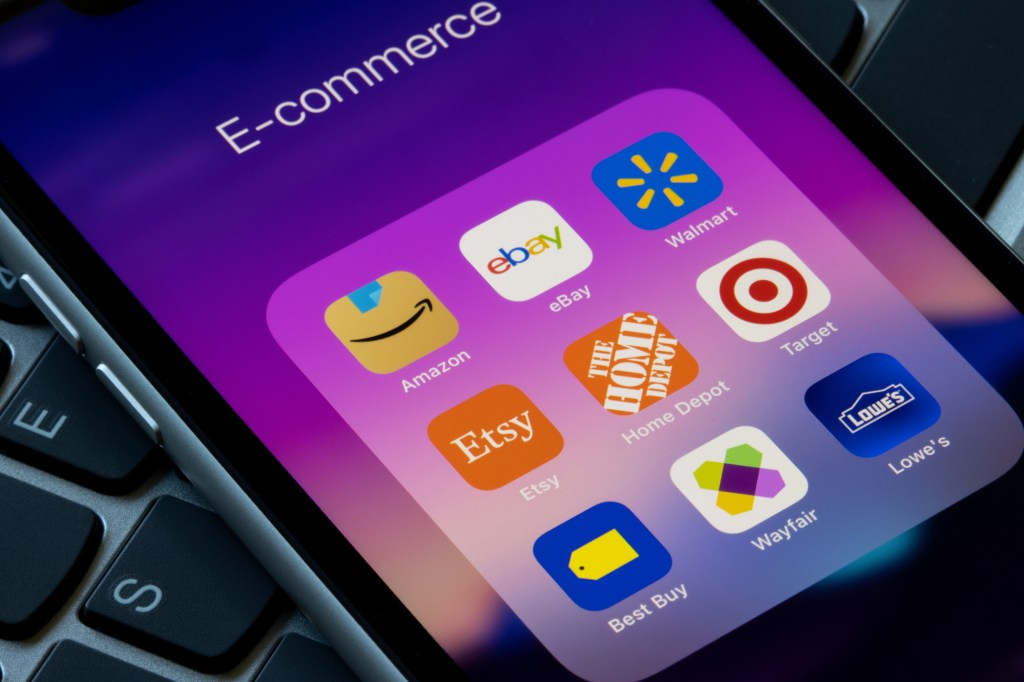
After the big 2 ecommerce giants (Amazon and Walmart), there are many other ecommerce options out there. From the seller marketplaces of retailers like Target to marketplaces less suited to food sales like eBay, Alibaba, or even Temu, there are a wide variety of places to sell your products, each with their own positives and negatives.
Major Retailers like Target operate ecommerce platforms of a similar nature as Seller Central on Amazon or Walmart Marketplace on Walmart. However, Target Plus requires that you apply to sell on their platform. If approved, you will receive orders from the retailer and have to fulfill them in a set period of time. Target Plus (and other ecommerce marketplace platforms) can be synced up to a 3PL, so you have the 3PL fulfill the orders for a fee (as detailed below in our 3PL section). Target Plus is in third place after Amazon and Walmart.com. If your brand does get approved, Target is a great ecommerce platform option. Similar to Walmart Marketplace, if your products perform well online, it can be a gateway to get your products into their brick-and-mortar stores.
eBay, Alibaba, Temu, and other assorted ecommerce platforms primarily work with sellers who are providing material goods like electronics, clothing, toys, or other non-food items. These channels don’t have much in the way of real sales for food items. You can engage with these platforms, however they most likely will not be a main source of revenue for your company.
Etsy is another option for food sales. Etsy prides itself on individuals selling products they make, so it’s a great way to get a start and to test drive new products. Etsy needs a good social media and marketing campaign to help drive sales.
Finally, there are the major search engines and their in-house marketplaces. Google Merchant Center is by far the biggest of the search engine marketplaces, followed in a distant second by Microsoft Merchant Center on Bing. These marketplaces require that you sign up for an advertising account, which will then allow you sign up for a Merchant Center account in order to both advertise and sell your products, then either fulfill the orders yourself or hire a 3PL to fulfill the orders.
Social Media

Social Media platforms each have their own marketplaces as well: Facebook has Facebook Marketplace (and to a lesser extent, the Meta Marketplace), Instagram has Instagram Shopping, Pinterest has Pinterest Pins, and TikTok has TikTok Shop. Each of these marketplaces has a commission structure, followed by a standard fulfillment model where your company ships the products directly to consumers or you hire a 3PL to manage order fulfillment.
Facebook has the biggest marketplace (over 2 billion monthly users), which mainly appeals to older consumers. You set up a Facebook Shop, then your products will appear in multiple places, including in the marketplace tab between listings of items for sale by individuals. You have the option to boost your listings as well as advertise and have them appear in people’s feeds as well.
Instagram Shopping is the second biggest marketplace (over 1 billion monthly users), who appeal to the 18-29 demographic. You set up an Instagram Shop and your products will appear in the Explore tab. Instagram Shops require Facebook Shop be set up first. If you’re going to do a Facebook Shop, you should immediately set up an Instagram Shop since they’re connected. If you want to an Instagram Shop, you need to set up a Facebook Shop first. Like with the Facebook shop, you have the option to boost your listings as well as advertise.
Pinterest Pins is the next biggest marketplace (over 250 million monthly users), with a wide demographic. After setting up your Pinterest business profile, you can create products, then create Promoted Pins (advertising) or Rich Pins (an optimized standard pin that businesses can use to provide users with information about specific products, including purchasing information).
TikTok Shop is the newest and fastest growing marketplace (over 1 billion monthly users), with a very young demographic. After signing up for a TikTok Shop account, you create products. Once your products are created, you then create TikTok videos of your products or contract with influencers who then promote your products. In the videos, watchers have the option to click on shop the product links and then purchase products directly through TikTok. As with other platforms, you can either fulfill the orders yourself or hire a 3PL to fulfill shipments.
Direct to Consumer 3PLs
There are many 3PLs out there that offer the ability to fulfill various ecommerce and social media orders. These companies require that you rent space from them on a monthly basis, calculated based on the cubic feet that your products take up in their warehouses. They then charge a fulfillment fee for each order they ship on your behalf. When deciding on a 3PL, it is important to pay attention to the base rental rates, the fee or commission they may collect with each order, as well as any seasonal price changes that happen, typically around the 4th quarter. Most of these companies will work with any of the ecommerce solutions, however some of them may not offer shipping speeds you may want for all areas of the country.
Wholesale 3PLs
A new type of 3PL has come into play in the last year or so: Wholesale 3PL’s. These companies specialize in selling to small, medium, or large size businesses by providing warehouses near major metropolitan areas. You as a company ship into these warehouses, then rent space from them on a monthly basis. Once a sale happens, the company takes a commission on the sale and fulfills the order. Currently, the Wholesale 3PL’s fall into two categories: Distributors who are looking for ways to add new products to their offerings without having to take on the risk of trying to resell the products themselves and Logistics Companies that are branching out into 3PL work. In the Distributor 3PL channel, if a product does well through this channel, most of the time it is brought into distribution as the distributor can make a better margin through their regular operation. In the Logistics Company 3PL channel, this is how you can enroll in things like collect pickups for large companies like Walmart.
Wholesale Ecommerce Platforms
There are multiple wholesale ecommerce platforms out there. The best is Faire.com, followed by the ecommerce platforms run by UNFI and the Specialty Food Association. There are a whole host of other sites that claim to do the same sort of business, but these three are the ones we’ve actually seen orders from, with Faire being the best by leaps and bounds. The UNFI site requires that you register with Mirakl, who is the company that runs the platform. The Specialty Food Association requires that you register with them before selling on their platform.
Amazon/3PL/Warehouse Labeling Fees
If we receive the labels ahead of production
Label Set Fee – If we receive the labels after production has started
Per Label Fee – If we receive the labels after production has started
$0 Fee
$30 Per Instance
$0.45 Per Label
 World Wide Gourmet Foods