
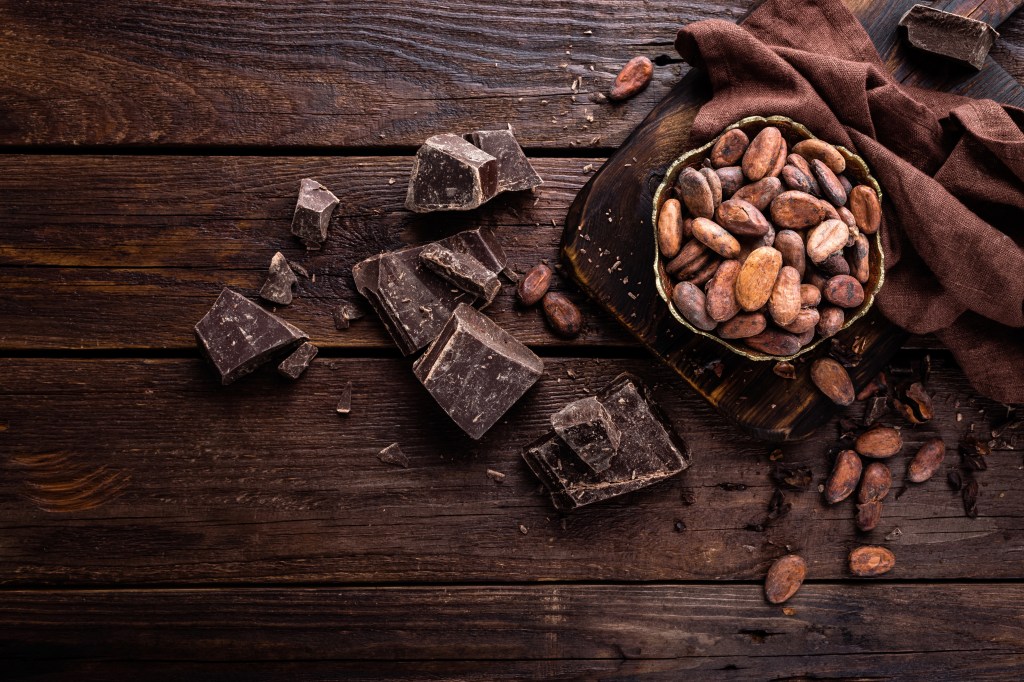
The global chocolate market is entering 2026 in a very different position than it was just 12–18 months ago. After historic volatility, record-breaking cocoa prices, and widespread supply disruptions, the industry is now facing a new phase: partial stabilization — but with ongoing uncertainty.
For brand owners, this creates both risk and opportunity.
At World Wide Gourmet Foods, we’ve been closely tracking these shifts and actively helping our partners adapt formulations, sourcing strategies, and product positioning to stay competitive in a rapidly evolving confectionery landscape.
The Cocoa Market in 2026: Stabilizing, But Still Structurally Elevated
After peaking at over $12,000 per metric ton in late 2024, cocoa prices have dropped significantly heading into 2026 — in some cases falling more than 50% year-over-year.
However, this doesn’t mean a return to “normal.”
- Cocoa is still trading well above historical averages, often in the $5,000–$6,000 per ton range
- Long-term projections suggest prices may stabilize around $5,500–$7,000 per ton
- Structural issues — including climate change, crop disease, and underinvestment in West African farms — remain unresolved
At the same time, there are conflicting signals:
- Improved weather and new production (especially in Latin America) are increasing supply
- Some forecasts now point to a global cocoa surplus in 2026–2027
- Demand has softened due to high prices, with measurable declines in cocoa usage globally
Bottom line:
The market is no longer in crisis mode — but it is far from stable.
Why Chocolate Prices Will Remain High (Even If Cocoa Drops)
One of the biggest misconceptions in the market today is that falling cocoa prices will quickly translate into cheaper chocolate.
That’s not happening — at least not yet.
- Manufacturers often hedge cocoa 6–12 months in advance, locking in higher costs
- Retail pricing lags commodity markets significantly
- Other inputs — sugar, dairy, labor, packaging, and freight — remain elevated
Even in early 2026, chocolate prices are still rising:
- Chocolate prices increased ~14% year-over-year in early 2026
- Some markets saw double-digit inflation in 2025, outpacing nearly every other food category
We’re also seeing continued shrinkflation and reformulation, as brands work to maintain price points while protecting margins.
What Happens If Instability Returns?
The cocoa market remains highly sensitive to:
- Weather shocks in West Africa (which produces ~70% of global cocoa)
- Political or financing disruptions in Ghana and Ivory Coast
- Demand rebounds after price normalization
If instability returns — which is a very real possibility — brands that rely solely on traditional chocolate formulations will face margin compression again.
This is where proactive strategy matters.
Smart Alternatives to Chocolate (Without Compromising the Consumer Experience)
Forward-thinking brands are already diversifying away from 100% cocoa dependency.
At World Wide Gourmet Foods, we help customers develop products that maintain indulgence while reducing exposure to cocoa volatility.
Compound Coatings & Hybrid Chocolate Systems
- Cocoa powder + vegetable fat systems
- Cocoa-reduced chocolate blends
- Layered formats (real chocolate + compound components)
Benefit: Significant cost control while maintaining taste and texture
Caramel, Toffee, and Nut-Based Confections
- Sea salt caramels
- Butter toffee inclusions
- Nut clusters and pralines
Benefit: Premium positioning with less reliance on cocoa markets
Flavor-Forward Non-Chocolate Systems
- Vanilla, maple, cinnamon, and brown sugar profiles
- Fruit-based coatings (strawberry, raspberry, citrus)
- Mangonada-inspired or globally inspired profiles
Benefit: Differentiation + reduced commodity exposure
Better-For-You & Functional Confections
- High-protein enrobed snacks
- Fiber-enriched coatings
- Reduced-sugar indulgent products
Benefit: Aligns with consumer trends while justifying premium pricing
Sugar-Free & Alternative Sugar Chocolate: A Double-Edged Sword
Many brands assume sugar-free or alternative sugar chocolate provides insulation from cocoa volatility.
In reality, these products face two layers of pressure:
Cocoa Cost Exposure Still Exists
Even with alternative sweeteners, cocoa remains the primary cost driver.
Additional Ingredient Volatility
- Allulose, erythritol, and specialty fibers can experience their own supply shocks and tariffs
- These ingredients often carry higher baseline costs than sugar
The result:
- Sugar-free chocolate is often more expensive to produce, not less
- Margin sensitivity is even greater during cocoa spikes
That said, there is a major opportunity:
👉 Consumers are more willing to pay premium pricing for better-for-you chocolate, helping offset volatility.
How World Wide Gourmet Foods Helps Brands Win in This Market
This is where experience matters.
At World Wide Gourmet Foods, we don’t just manufacture chocolate — we help brands strategically navigate the entire category.
Our Approach:
Flexible Formulation Strategy
- Traditional chocolate
- Cocoa-reduced systems
- Compound and hybrid coatings
- Better-for-you and sugar-free solutions
Cost Engineering & Commercialization
- Real-time ingredient cost modeling
- Reformulation strategies to protect margins
- Scalable production methods aligned with your price targets
Full Confectionery Capabilities
- Chocolate enrobing (top, bottom, full)
- Depositing, panning, and inclusions
- Caramel, graham, cookie, and hybrid systems
Future-Proof Product Development
- Designing products that can withstand ingredient volatility
- Building optionality into formulations from day one
The Strategic Takeaway for 2026 and Beyond
The chocolate market is no longer just about flavor — it’s about risk management.
Brands that succeed in this environment will:
- Diversify beyond pure chocolate dependency
- Build flexibility into formulations
- Embrace premium, better-for-you positioning
- Partner with manufacturers who understand both R&D and real-world production economics
Final Thought
Chocolate isn’t going away — but the way it’s formulated, priced, and positioned is changing fast.
At World Wide Gourmet Foods, we help brands stay ahead of that curve — turning volatility into opportunity and ensuring your product not only survives the market… but thrives in it.
 World Wide Gourmet Foods