

How World Wide Gourmet Foods Ensures Perfect Chocolate Every Time
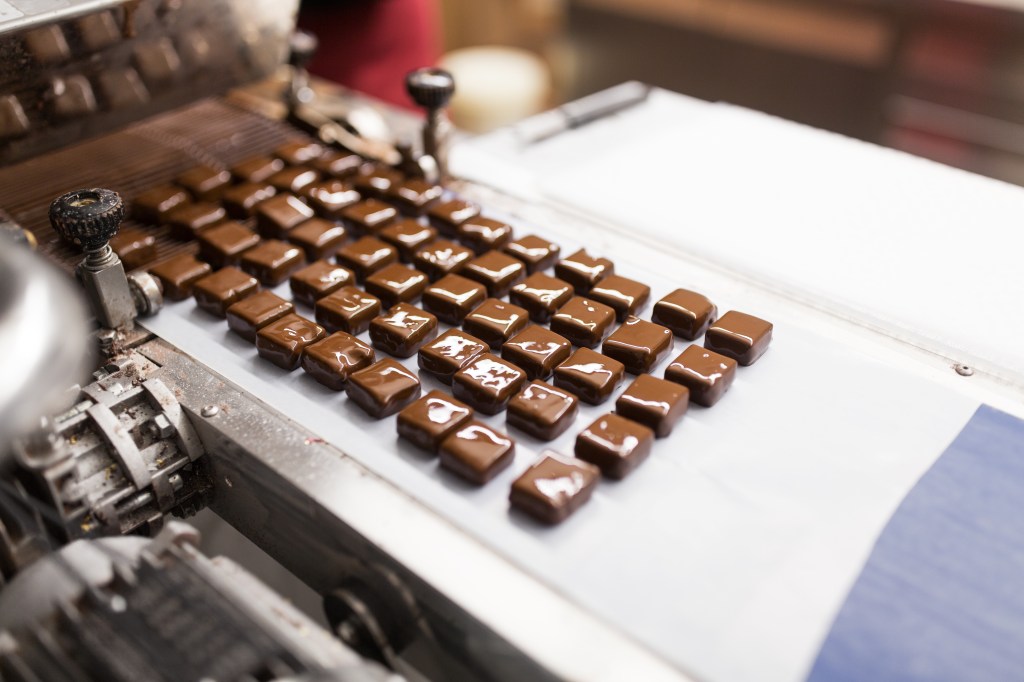
At World Wide Gourmet Foods, producing exceptional chocolate and confectionery products starts with one of the most critical technical processes in the industry: precision tempering of chocolate fats.
Tempering is the controlled heating, cooling, and crystallization process that determines the final quality of any chocolate-based product. When executed correctly, it produces the gloss, snap, texture, and shelf stability that consumers expect from premium chocolate.
Our production systems and technical protocols ensure that every batch of chocolate we run is tempered correctly for the specific formulation and fat system being used.
The Science Behind Perfect Chocolate
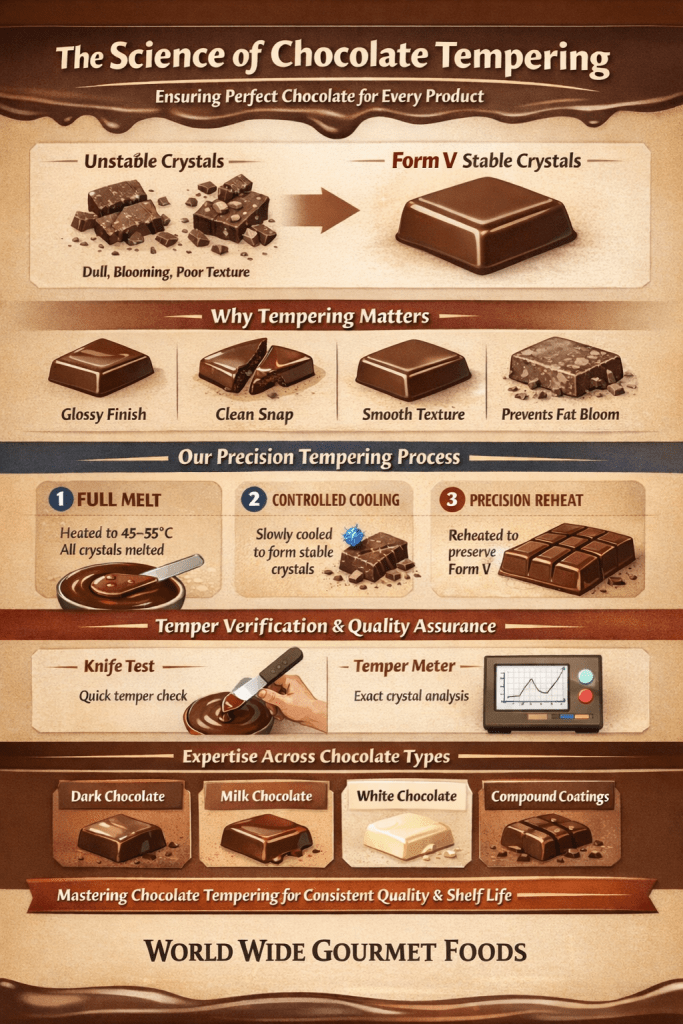
Chocolate contains cocoa butter, a unique fat that can crystallize into six different structures. Only one of those crystal forms — Form V beta crystals — produces the desirable qualities of premium chocolate.
Properly tempered chocolate delivers:
• A glossy, professional finish
• A clean snap when broken
• Smooth mouthfeel and controlled melt
• Resistance to fat bloom during shelf life
Improper tempering can lead to:
• Dull or streaky appearance
• Soft or crumbly texture
• Fat bloom and shortened shelf life
Our tempering process is designed to consistently create stable Form V cocoa butter crystals, ensuring optimal product performance.
Controlled Tempering with Commercial Equipment
World Wide Gourmet Foods uses continuous tempering systems designed for commercial chocolate production and enrobing. These machines precisely manage chocolate temperature through three critical phases:
Phase 1 – Full Melt
Chocolate is heated to temperatures between 40°C and 55°C, depending on the chocolate type, ensuring that all existing crystal structures are completely melted.
This resets the chocolate to a uniform state before controlled crystallization begins.
Phase 2 – Controlled Cooling
The chocolate is slowly cooled while being continuously agitated, allowing stable crystal structures to begin forming while unstable forms remain liquid.
This phase establishes the foundation for the correct crystalline structure.
Phase 3 – Precision Reheat
The chocolate is gently reheated to melt unstable crystal forms while preserving the desirable Form V crystals.
This selective melt ensures the chocolate entering production contains only the ideal crystal structure for molding or enrobing.
Temper Verification: Quality Assurance Before Every Run
Before production begins, our team verifies temper using multiple validation methods.
Manual Temper Testing
Operators perform a knife test, dipping a tool into the chocolate and allowing it to set at room temperature.
Properly tempered chocolate will:
• Set within 3–5 minutes
• Develop a glossy finish
• Break with a clean snap
Instrumented Temper Analysis
For precision runs, we utilize temper meters that measure crystallization curves and generate a temper index, ensuring the chocolate falls within the optimal range for production.
This dual verification process ensures every production run begins with properly crystallized chocolate.
Expertise with Multiple Chocolate and Confectionery Fat Systems
Not all chocolate behaves the same. Our team understands how different fat systems influence tempering behavior and production performance.
We routinely work with:
Cocoa Butter Chocolate
- Requires full tempering protocols
- Delivers premium melt and mouthfeel
Milk Chocolate Systems
- Lower tempering temperatures due to milk fat
- Requires careful crystal control
White Chocolate
- More sensitive due to higher milk fat content
Compound Coatings
- Palm kernel or alternative fats
- Different crystallization behavior and processing conditions
Our operators adjust processing parameters depending on the fat system to ensure optimal flow, coating performance, and finished product quality.
Preventing Bloom and Protecting Shelf Life
Fat bloom — the gray or white discoloration that appears on poorly processed chocolate — is one of the most common quality failures in chocolate manufacturing.
At WWGF we prevent bloom through:
• Verified temper before every run
• Strict temperature control throughout production
• Controlled cooling tunnel conditions
• Monitoring of fat migration in filled products
• Stable finished goods storage conditions
These protocols ensure finished chocolate products maintain appearance, texture, and shelf stability throughout distribution.
Why Brands Choose World Wide Gourmet Foods
Chocolate manufacturing requires technical precision, experienced operators, and well-controlled equipment.
World Wide Gourmet Foods provides:
• Commercial tempering and enrobing capability
• Expertise across chocolate and compound coatings
• Process control to ensure consistent crystal structure
• Quality assurance testing before every run
• Production systems designed to protect shelf life and appearance
From protein bars and chocolate-covered snacks to truffles, caramels, cookies, and confections, our team understands the science and production discipline required to produce chocolate products that perform in the marketplace.
 World Wide Gourmet Foods