

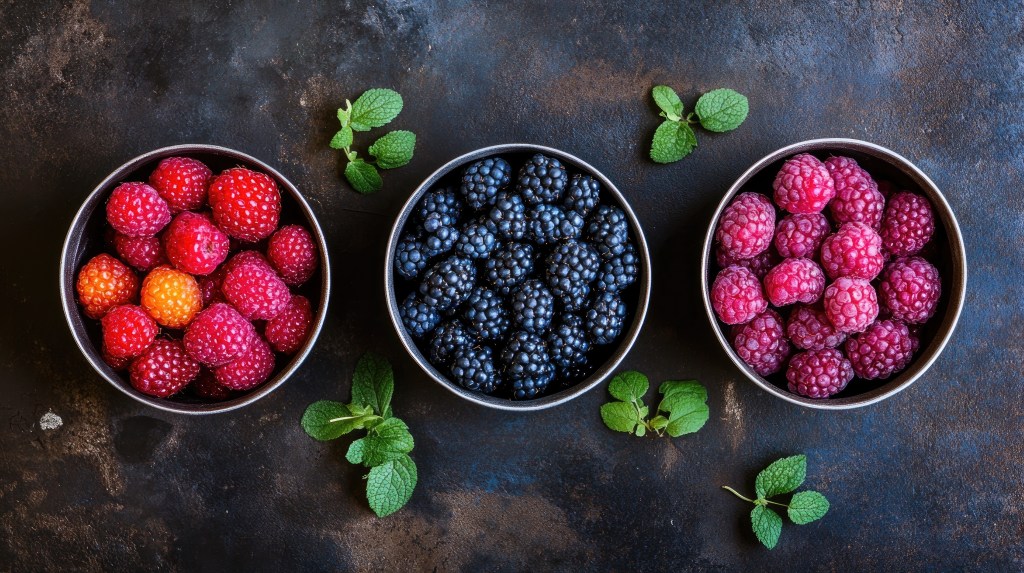
Consumers are no longer just looking for “low sugar” or “high protein.” They are looking for products that actively support longevity, recovery, gut health, and metabolic balance. One of the most searched health topics in food today is inflammation — and brands that thoughtfully incorporate anti-inflammatory ingredients into indulgent formats are winning shelf space.
The opportunity? Deliver functional benefits inside formats consumers already love: protein bars, cereals, cookies, muffins, donuts, chocolate bars, and chocolate-covered treats.
Below is a practical guide to how brands can incorporate inflammation-fighting ingredients into packaged baked goods and confections — without sacrificing taste, texture, or commercial viability.
Understanding “Anti-Inflammatory” in Food
Chronic inflammation is associated with metabolic disorders, heart disease, joint pain, and gut dysfunction. While no single food “cures” inflammation, certain ingredients are associated with anti-inflammatory effects:
- Polyphenols (berries, cocoa, green tea)
- Omega-3 fatty acids (chia, flax, walnuts)
- Fiber and prebiotics (inulin, resistant starch, beta-glucan oats)
- Spices (turmeric, ginger, cinnamon)
- Adaptogens (ashwagandha, holy basil)
- Magnesium-rich foods (cacao, seeds)
- Dark chocolate (high-flavanol cocoa)
The key for brands is selecting ingredients that:
- Survive processing
- Maintain flavor stability
- Work in scaled manufacturing
- Align with label claims and regulatory standards
Application by Category
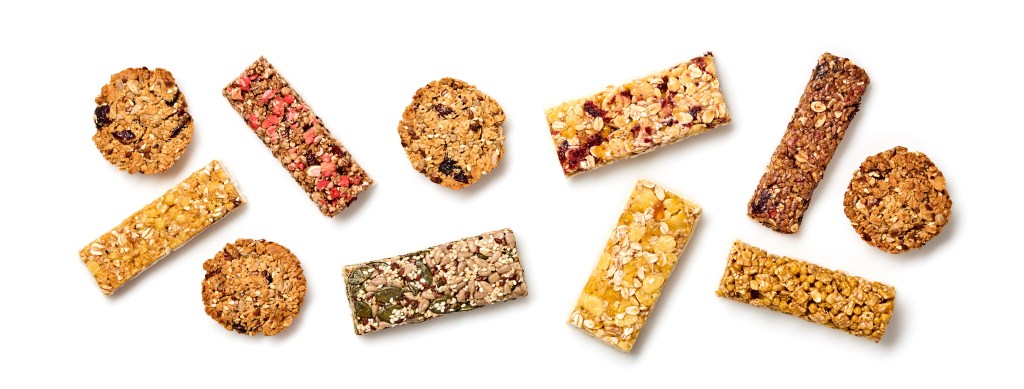
Protein & Cereal Bars
Bars are one of the best vehicles for anti-inflammatory positioning because they already carry a functional halo.
Ingredient Strategies:
- Chia & flax for omega-3 content
- 70%+ dark chocolate coatings for flavanols
- Turmeric + black pepper inclusion in savory or sweet spice bars
- Ginger or cinnamon in fall-profile SKUs
- Prebiotic fibers (inulin, soluble corn fiber, resistant dextrin)
- Tart cherry or blueberry inclusions
Formulation Considerations:
- Turmeric must be balanced to avoid bitterness.
- Omega-rich seeds can increase oxidation risk — antioxidants like tocopherols help.
- Fiber levels affect water activity and shelf life.
- Anti-inflammatory positioning pairs well with high-protein, low-sugar frameworks.
Opportunity: Position bars for recovery, joint support, metabolic health, or gut balance.
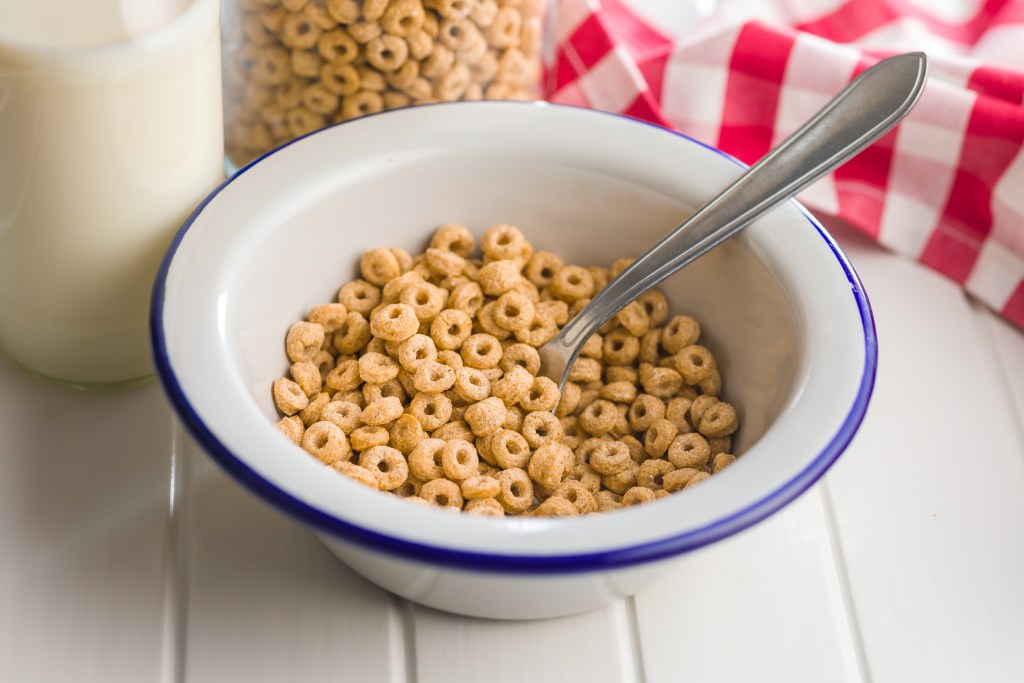
Granolas & Cereals
Granola and cereal are natural fits for inflammation-focused claims because of their whole-grain foundation.
Ingredient Strategies:
- Beta-glucan oats (heart-health association)
- Pumpkin seeds (magnesium)
- Walnuts (ALA omega-3s)
- Blueberries & cranberries (polyphenols)
- Coconut + turmeric clusters
- Prebiotic fibers for gut microbiome support
Development Watchouts:
- Oil choice matters. High-oleic sunflower or avocado oil outperform inflammatory seed oil perceptions.
- Toast temperatures impact polyphenol retention.
- Sugar binders can be replaced partially with date paste or allulose blends.
Opportunity: “Anti-inflammatory breakfast clusters” or “gut-friendly granola.”

Cookies, Muffins & Donuts
Indulgent bakery items can still carry functional value when thoughtfully developed.
Ingredient Strategies:
- Replace refined flour with partial oat, almond, or buckwheat flour
- Incorporate flax meal into dough systems
- Add blueberry, tart cherry, or cacao nib inclusions
- Use cinnamon and ginger in classic flavor profiles
- Utilize dark chocolate chips instead of compound coatings
Technical Considerations:
- Fiber alters dough rheology.
- Seed meals absorb water — hydration adjustments are critical.
- Turmeric in baked goods requires encapsulation or color balancing.
- Shelf-stable muffins must control moisture migration carefully.
Opportunity: “Inflammation-conscious indulgence” for consumers who don’t want to give up treats.
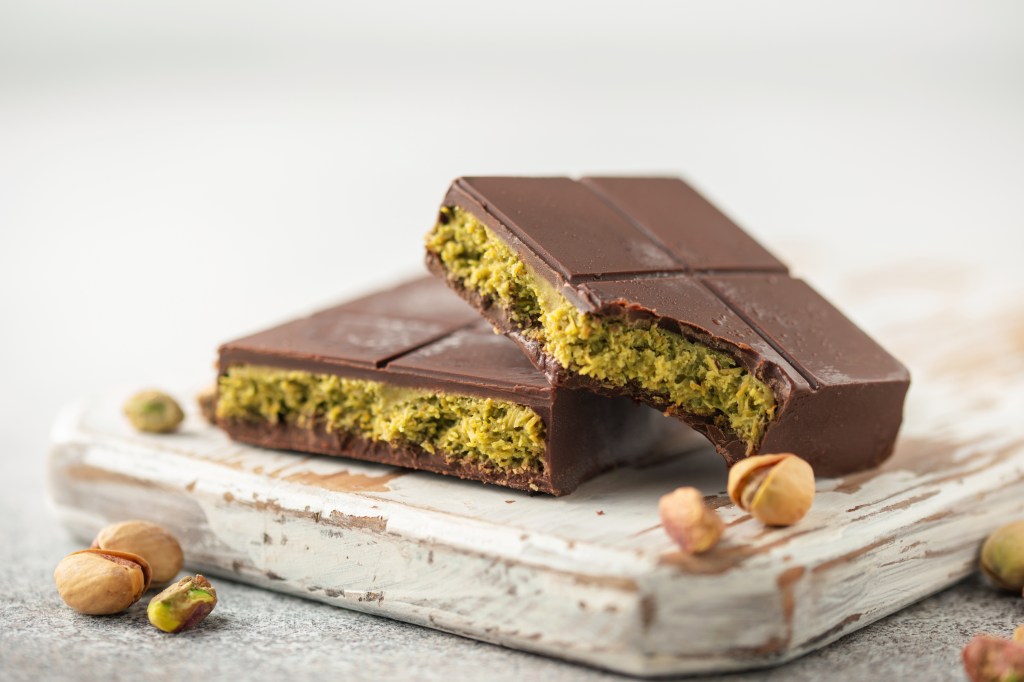
Chocolate Bars
Dark chocolate is one of the most research-backed anti-inflammatory indulgences due to cocoa flavanols.
Ingredient Strategies:
- 70%+ cocoa solids
- Blueberry or raspberry inclusions
- Walnuts or almonds
- Turmeric + ginger spiced dark chocolate
- Low-glycemic sweeteners (allulose, monk fruit blends)
Commercial Notes:
- Cocoa percentage impacts cost and viscosity.
- Functional inclusions must not destabilize temper.
- Claims must avoid disease language — focus on “supports” or “rich in antioxidants.”
Opportunity: Elevated, premium, wellness-forward chocolate lines.
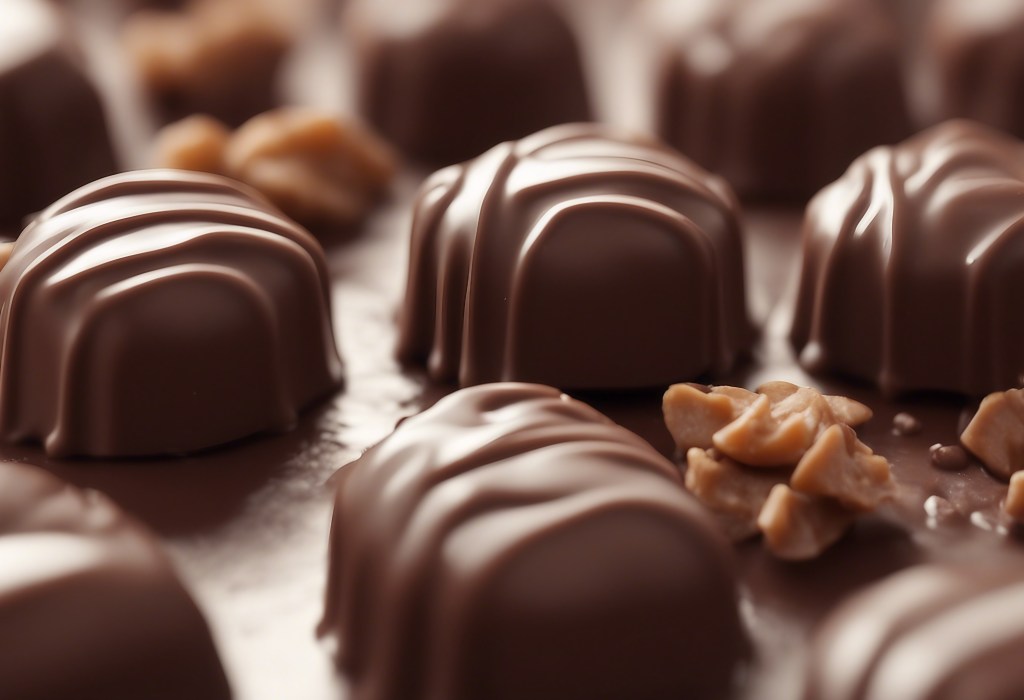
Chocolate-Covered Truffles, Caramels, Cookies & Crackers
Enrobed items allow brands to combine indulgence with functional layering.
Ideas:
- Turmeric-ginger caramel centers
- Chia-seed graham cracker bases
- Tart cherry truffle fillings
- Prebiotic fiber added to caramel systems
- Dark chocolate enrobing instead of milk chocolate
Processing Considerations:
- Water activity control is essential in truffles and caramels.
- Fiber affects caramel crystallization.
- Enrobing lines must handle particulate inclusions cleanly.
- Antioxidant-rich ingredients can affect shelf stability and bloom risk.
Opportunity: Premium “functional indulgence” gifting or snack formats.
Key Formulation Principles
- Function must follow flavor — if it doesn’t taste great, it won’t sell.
- Avoid over-fortification — 2–3 meaningful ingredients outperform a 12-ingredient “kitchen sink.”
- Understand processing impacts on bioactives.
- Align claims with regulatory compliance.
- Build for manufacturability early.
The Commercialization Challenge
Incorporating anti-inflammatory ingredients is not just about adding turmeric or chia. It affects:
- Water activity
- Texture and chew
- Oxidation stability
- Shelf life
- Allergen declarations
- Packaging barriers
- Cost of goods
Scaling a benchtop idea into a 2,000-lb production run requires technical oversight and plant-level validation.
How World Wide Gourmet Foods Helps You Execute
At World Wide Gourmet Foods, we specialize in translating wellness trends into scalable products across:
- Protein and cereal bars
- Granolas and clusters
- Cookies and baked goods
- Muffins and donuts
- Chocolate bars and enrobed confections
Our facility combines bakery and confectionery capabilities under one roof — allowing brands to develop layered functional products like fiber-rich cookies with dark chocolate enrobing or anti-inflammatory caramel centers inside protein bars.
We help brands:
- Optimize ingredient functionality
- Balance macro targets (protein, fiber, sugar)
- Adjust water activity and shelf life
- Pilot test before full production
- Navigate regulatory and labeling considerations
- Scale efficiently to commercial runs
Functional indulgence is not a fad — it’s the next evolution of better-for-you.
If you’re developing a product that supports recovery, gut health, or metabolic wellness, we can help you build it the right way — from concept through commercialization.
 World Wide Gourmet Foods