

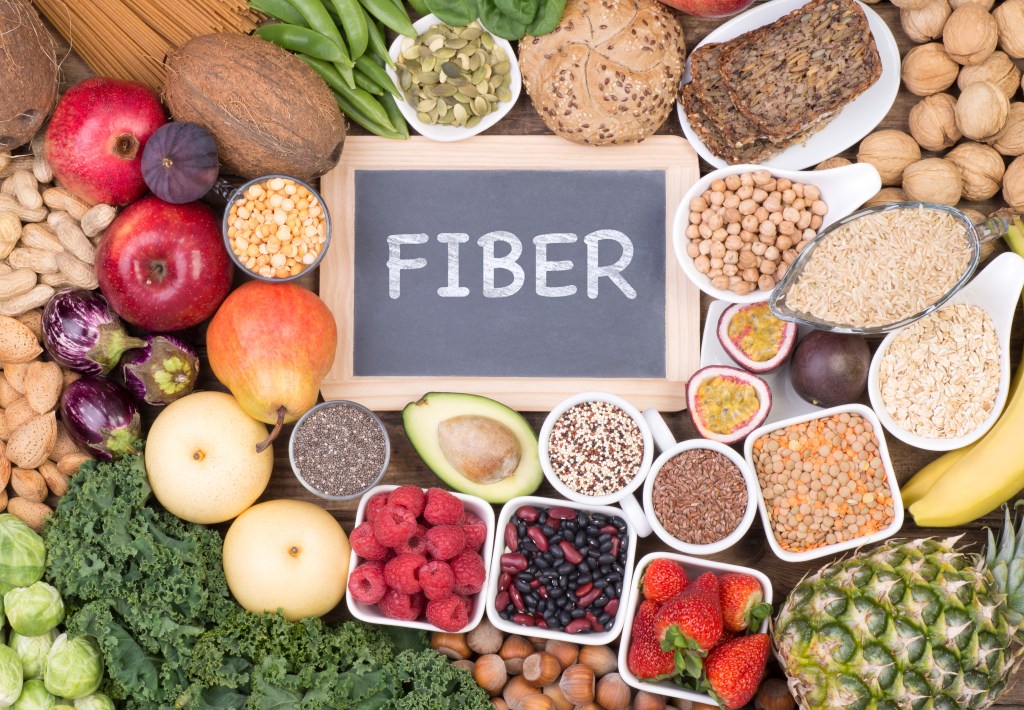
For the last decade, protein has dominated the packaged food conversation. It became the headline macro for everything from bars and cookies to cereals and candy—because it’s easy to understand, easy to market, and strongly tied to satiety and performance.
But now, a new macro is rapidly moving from “nice-to-have” to must-have:
Fiber.
Fiber is showing up everywhere—on front panels, in product claims, and in consumer search behavior—because it checks multiple boxes at once:
- Supports gut health
- Helps with fullness and appetite control
- Can improve blood sugar response
- Often enables lower net carbs positioning
- Works well with clean-label and better-for-you product strategies
In short: fiber may be the next macro ingredient wave after protein, and brands that figure out how to formulate it without sacrificing taste and texture are going to win.
Why Fiber Is Taking Over the Macro Conversation
Protein isn’t going away—but it’s getting crowded. Consumers are now asking deeper questions:
- “Is it high protein and low sugar?”
- “Does it keep me full?”
- “Is it good for my digestion?”
- “Can I eat it every day without feeling heavy?”
- “Does it support my health goals beyond the gym?”
That’s where fiber shines.
Fiber is one of the few nutrition levers that can improve a product’s positioning without requiring a total brand rewrite. It works in indulgent categories (cookies, brownies, clusters, chocolate) just as well as in functional ones (bars, cereals, bites).
And importantly: it’s becoming a macro consumers actively look for—not just a number on the back panel.
The Types of Fiber Found in Packaged Baked Goods & Confections
Not all fibers behave the same. The right choice depends on your product format, texture goal, processing conditions, and desired claims.
Here are the most common fiber types used in cookies, bars, snack mixes, granola, cereals, chocolates, and confections:
Chicory Root Fiber (Inulin)
Best for: bars, baked goods, chewy textures, “better-for-you” sweets
Benefits:
- Adds fiber with mild sweetness
- Can improve mouthfeel and softness
- Supports prebiotic positioning (in many cases)
Watch-outs:
- Overuse can cause digestive discomfort for some consumers
- Can become sticky or overly soft in certain bar systems
Soluble Corn Fiber (Resistant Dextrin)
Best for: bars, brownies, cookies, coatings, fillings, caramels
Benefits:
- Great for boosting fiber with minimal texture impact
- Neutral taste
- Helpful in sugar reduction strategies
Watch-outs:
- Some versions may affect water activity or softness over time
- Needs proper balancing to avoid “syrupy” textures
Oat Fiber
Best for: cookies, muffins, cakes, baked bars, clusters
Benefits:
- Strong consumer perception (oats = wholesome)
- Adds bulk and structure
- Can support clean-label positioning
Watch-outs:
- Can dry out formulas if not balanced with moisture/fat
- Can add a “grainy” bite if used too aggressively
Psyllium Husk Fiber
Best for: keto-style baked goods, low net carb products
Benefits:
- Powerful water binding and structure builder
- Great for improving bite/chew in low-carb systems
Watch-outs:
- Can create gummy texture if overused
- Requires careful hydration management
Resistant Starch (e.g., tapioca-based, potato-based)
Best for: cookies, crackers, baked snacks, cereal applications
Benefits:
- Can improve crunch and structure
- Adds fiber without strong flavor impact
- Useful in “net carb” strategies
Watch-outs:
- Performance varies widely depending on processing and moisture
- Can create chalkiness if not paired correctly
Cellulose Fiber / Bamboo Fiber
Best for: cookies, crackers, baked items needing structure
Benefits:
- Adds fiber with strong bulking ability
- Helps with bite and snap in some applications
Watch-outs:
- Can feel dry, dusty, or “cardboard-like” if not balanced properly
- Needs fat/moisture optimization
Fruit & Vegetable Fibers (Apple fiber, citrus fiber, etc.)
Best for: clean-label cookies, muffins, bars, fillings
Benefits:
- Consumer-friendly sourcing story
- Can improve water binding and softness
- Helps with texture in reduced sugar systems
Watch-outs:
- Can introduce flavor notes
- Color and specking may show through
Nut & Seed-Based Fiber (Chia, flax, almond fiber)
Best for: granola, bars, clusters, keto baked goods
Benefits:
- Adds fiber plus “real food” perception
- Can support fat + fiber satiety positioning
- Strong label appeal
Watch-outs:
- Oil migration and rancidity management matter
- Can change chew, density, and shelf life behavior
How to Implement Fiber into Baked Goods & Confections (Without Ruining the Product)
Fiber is powerful—but it’s also one of the easiest ways to accidentally break a formula.
Here’s how brands successfully implement fiber into real-world packaged products:
Start With the Texture Target (Not the Nutrition Panel)
Before choosing a fiber, define the experience:
- Soft-baked cookie?
- Crunchy cookie?
- Chewy bar?
- Crisp cluster?
- Creamy filling?
- Chocolate-coated bite?
Different fibers behave differently in each system. The best fiber choice is the one that helps your texture, not fights it.
Balance Fiber With Moisture + Fat
Most fiber sources:
- bind water
- reduce spread
- change chew
- alter softness over shelf life
That means fiber often requires adjustments to:
- water
- humectants
- fats/oils
- syrups
- baking time and temperature
This is where a lot of “high fiber” products fail—because the formula was changed on paper but not engineered for real processing.
Use Fiber to Support Sugar Reduction (Not Just Add Nutrition)
Fiber isn’t only a nutrition add—it’s also a formulation tool.
Many brands use fiber to:
- reduce sugar while maintaining bulk
- improve bite in reduced-sugar systems
- manage stickiness in bars
- create better mouthfeel in “better-for-you” confections
If your goal is high fiber + low sugar, fiber selection becomes even more important.
Watch Water Activity and Shelf Life Like a Hawk
In cookies, bars, and confections, fiber can change:
- moisture migration
- softness over time
- stickiness
- bloom risk (in chocolate systems)
- microbial stability
Fiber can make a product seem more stable—but it can also create unexpected shelf life problems if not tested correctly.
Consider the Consumer Experience (Tolerance Matters)
More fiber isn’t always better.
The best brands don’t chase the highest number possible—they hit the sweet spot where the product is:
- enjoyable
- repeatable
- easy on digestion
- still indulgent
A fiber-forward product that consumers don’t want to eat twice is not a win.
Where Fiber Works Best: Real Product Examples
Fiber can be successfully added to almost every snack format—if it’s engineered correctly.
Cookies & Soft-Baked Items
- Oat fiber for structure
- Chicory root fiber or soluble corn fiber for softness and sweetness balance
- Fruit fibers for clean-label texture support
Protein Bars & Functional Bars
- Soluble corn fiber for fiber boost with minimal flavor impact
- Inulin for chew and sweetness support
- Resistant starch for structure and net-carb strategy
Granola & Clusters
- Oat fiber and seed-based fibers to improve nutrition density
- Resistant starch for crunch systems
- Fruit fibers for binding and label appeal
Chocolate, Coatings & Confections
- Soluble fibers to support better-for-you positioning
- Fiber-forward fillings (caramel, truffle, spreads)
- Hybrid systems where indulgence stays high but macros improve
How World Wide Gourmet Foods Helps Brands Win With Fiber
At World Wide Gourmet Foods, we work with brands every day that want to launch products that are:
- higher fiber
- higher protein
- lower sugar
- clean-label
- shelf-stable
- scalable for retail
Fiber is one of the most powerful levers—but it requires real manufacturing experience to get right.
Here’s what we help with:
Fiber selection based on product format and processing
Cookies, bars, clusters, snack mixes, and confections all behave differently. We help match the right fiber system to the right product.
Pilot runs + scale-up support
Fiber often requires process tuning. We help translate a bench formula into something that runs consistently at production scale.
Texture optimization (the part most brands struggle with)
High fiber doesn’t matter if the cookie is dry or the bar is gummy. We focus on delivering the eating experience first.
Shelf life + stability guidance
We help brands think through water activity, moisture migration, and packaging strategies to support long-term performance.
Multiple packaging formats
From flow-wrap to pouches to folding cartons and display-ready cases, we support fiber-forward products built for real retail execution.
Final Takeaway: Fiber Is the Next Big Macro Moment
Protein opened the door to functional snacking.
Fiber is the next wave—because it supports gut health, satiety, better-for-you positioning, and modern nutrition goals without forcing consumers to give up indulgence.
The brands that win will be the ones that can deliver:
- great taste
- great texture
- real shelf life
- scalable manufacturing
- and fiber numbers that matter
If you’re looking to develop or scale a fiber-forward snack, World Wide Gourmet Foods can help you get there—quickly, professionally, and with a product that performs in the real world.
 World Wide Gourmet Foods