

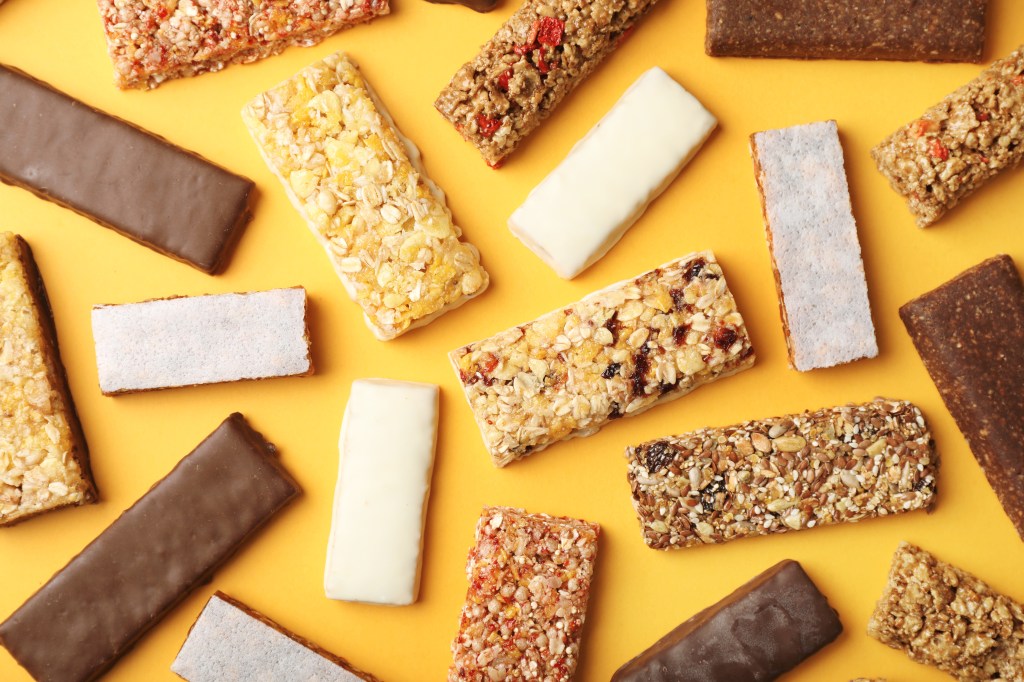
Protein bars have officially graduated from “gym bro snack” to mainstream lifestyle staple. Walk any grocery aisle and you’ll see it: more flavors, more functions, and way higher expectations from shoppers who want both indulgence and intentional nutrition.
Here’s a look at the biggest trends shaping the next generation of protein bars—and how brands can tap into them.
1. Flavor Trends: From “Gym Chalk” to Craveable Desserts
Consumers still want classics, but they now expect them to taste like real food, not compromise food.
a. Dessert-Inspired Flavors (But Smarter)
Bars are leaning hard into nostalgic and dessert flavors—think Chocolate Peanut Butter Cup, Cookie Dough, Brownie Batter, Salted Caramel, and Birthday Cake. These hit emotional notes (comfort, nostalgia, reward) while still promising macros that fit “everyday athlete” lifestyles. Many brands now pair these profiles with reduced sugar and cleaner labels to avoid the “candy bar in disguise” criticism.
b. Breakfast & Café-Style Flavors
Coffee and breakfast flavors are showing up everywhere: Mocha Latte, Cinnamon Roll, Blueberry Muffin, Maple Waffle, and even Cereal Milk–inspired bars. These fit into the “bar instead of breakfast” behavior and pair well with added fiber, whole grains, or functional ingredients like MCTs and adaptogens.
c. Global & Travel-Inspired Flavors
As shoppers look for novelty and authenticity, global flavors are growing:
- Tahini & Honey or Pistachio & Cardamom
- Mexican Hot Chocolate (cinnamon + chili)
- Matcha, Yuzu, or Black Sesame
- Churro, Dulce de Leche, or Mango Chili Lime
These profiles are especially attractive for premium and natural channel retailers who want something different on shelf.
2. Inclusions & Mix-Ins: Multi-Texture Is the New Default
Bars used to be one uniform slab. Not anymore. Consumers are gravitating toward bars that have layers, crunch, and visual appeal when you bite in.
a. Crisps & Crunch
Protein crisps (often whey, soy, or pea based), popped grains, and crunchy clusters are being added to improve bite and reduce density. This helps combat “chew fatigue,” one of the biggest complaints about traditional bars.
b. Layers, Coatings & Drizzles
Layered bars—cookie base + creamy filling + chocolate or yogurt coating—are now standard in many higher-end and functional lines. A few common patterns:
- Soft base + nougat or caramel layer + enrobed chocolate
- Crispy base + creamy nut or seed butter layer
- Solid bar + flavored drizzle for visual interest and flavor cue
Beyond taste, these elements give you more storytelling room (“gooey caramel layer,” “real almond butter center,” etc.).
c. Real Fruit, Nuts & Seeds
Visible, recognizable pieces (almond slices, pumpkin seeds, cranberries, dates, coconut flakes) perform well with shoppers who read labels closely. They support “kitchen pantry” narratives and can contribute to fiber, healthy fats, and micronutrients.
3. Texture Innovation: Soft, Chewy, Crispy, and “Fresh”
Texture is now just as important as flavor in bar development.
a. Softer, Less Gummy Chews
Consumers are tired of jaw-workout bars. Brands are moving toward softer, nougat-like or brownie-like textures with better emulsification, fiber management, and moisture control. This is especially important in high-protein bars, where some proteins can be drying over shelf life.
b. Crispy & “Cereal Bar” Styles
Crispy rice or puffed-grain formats are trending for pre-workout and snack-style bars—light, quick to eat, and ideal for higher-carb formulations (think “performance carb bars” or “breakfast squares”).
c. Hybrid & Bites Formats
Beyond the classic 50–60 g bar, we’re seeing:
- Mini bars/bites for portion control and snacking
- Clusters or thins (flatter, more snack-like)
- Stuffed or filled formats that eat more like a confectionery treat
All of these expand usage occasions (afternoon treat, kids’ lunchbox, coffee pairing) without sacrificing protein messaging.
4. Better-For-You Ingredients: Beyond “High Protein”
“High protein” alone is no longer a differentiator. Shoppers are scanning for the type of protein, sugar source, fiber, oils, and extras.
a. Protein Sources: Cleaner & More Diverse
- Dairy Proteins (whey, milk, whey isolate) remain popular for sports and performance due to amino acid profile and functionality.
- Plant Proteins (pea, rice, fava, chickpea, pumpkin seed) are rising, especially in vegan, allergen-friendly, or sustainability-positioned brands. Blends help improve texture and amino profile.
- Collagen shows up for joint, skin, and “beauty from within” positioning—often blended with other proteins.
Many brands now highlight where the protein comes from (“from nuts and seeds,” “from grass-fed whey,” “100% plant-based pea protein”) instead of just listing grams.
b. Smarter Sweetening Strategies
Sugar is under a microscope, but ultra-processed sweetness is too. Trends include:
- Lower total sugar, often 1–8 g per bar.
- Alternative sweeteners like allulose, monk fruit, stevia, and rare sugars to maintain sweetness with less impact on blood sugar.
- Date-based and fruit-forward bars using dates, figs, or fruit purees for sweetness plus fiber and minerals.
- Reduced polyols in sensitive-stomach formulas (less maltitol, sorbitol, etc.) to address digestive comfort.
c. Fiber, Prebiotics & Gut-Friendly Positioning
Fiber is moving from an afterthought to a headline feature:
- Chicory root fiber, soluble corn fiber, resistant starches and oat fiber for satiety and texture.
- Emerging focus on prebiotic fibers to support gut health claims.
- Some brands intentionally lower fiber/avoid certain fibers for FODMAP-style or “stomach friendly” offerings—another growing niche.
d. Fats & Oils Under Scrutiny
Consumers, especially in the “better-for-you” and performance segments, are increasingly wary of seed oils. We’re seeing more:
- Coconut oil, cocoa butter, and high-oleic oils in place of standard vegetable oils.
- Nut and seed butters (peanut, almond, cashew, sunflower, tahini) as both flavor drivers and fat sources.
This ties into clean-label and “no seed oil” marketing trends and can be a key differentiation on pack.
e. Functional Add-Ons
Bars have become delivery systems for more than just macros:
- Adaptogens & nootropics: ashwagandha, L-theanine, lion’s mane, L-tyrosine for stress and focus narratives.
- Electrolytes: sodium, potassium, magnesium blends to position bars for pre- and post-workout or endurance.
- Micronutrient boosts: added vitamin D, B-complex, or minerals like iron or zinc.
- Omega-3s from chia, flax, or algae ingredients.
These add complexity from a formulation standpoint, but can help carve out a highly specific use case (recovery, performance, focus, beauty, etc.).
5. Claims & Positioning: Clarity Beats Hype
With so many options on shelf, the brands that win are crystal clear about who the bar is for and when it should be eaten.
Common winning lanes include:
- Performance / sports: macros tuned for pre- or post-workout, clear carb/protein/sodium rationale, often with crispy formats or lighter textures.
- Lifestyle & weight management: higher protein and fiber, lower sugar, portion-controlled minis, “no crash” language.
- Kids & families: smaller bars, softer chew, school-friendly allergen profiles, tighter ingredient decks, and fun flavors like Birthday Cake or Chocolate Chip Cookie.
- Indulgent wellness: dessert-like flavors with cleaner labels, no artificial colors or flavors, and upgraded fats and sweeteners.
Shoppers want simplicity on the front of the pack: “15g protein • 3g sugar • no seed oils” is more effective than a wall of buzzwords.
6. Translating Trends into Manufacturable Products
All of these ideas are exciting, but the hard part is turning a concept board into a bar that actually:
- Runs on real equipment
- Holds shape and texture through distribution
- Maintains water activity, shelf life, and food safety
- Hits target costs and margins
That’s where choosing the right manufacturing partner matters.
How World Wide Gourmet Foods Can Help
World Wide Gourmet Foods (WWGF) is a SQF-certified co-manufacturer with deep experience in:
- Protein bars, breakfast bars, and snack bars in a wide range of textures (soft, crispy, layered, enrobed, drizzled).
- Chocolate and confectionery capabilities for coatings, drizzles, inclusions, and premium finishes.
- Cereal, granola, and cluster formats that can be integrated into bars for crunch and visual appeal.
- Cookie flavors and formulas that can be translated into bar shapes.
WWGF can help you:
- Refine your concept for manufacturing
- Translate your kitchen recipe or idea into a scale-ready formula.
- Dial in flavor, texture, and inclusions to match the trends your customer base cares about.
- Engineer texture & structure
- Balance proteins, fibers, binders, and fats to avoid bars that are too hard, too sticky, or prone to drying out.
- Build layered or enrobed formats that run efficiently and consistently on bar lines.
- Align nutrition & claims with your brand story
- Target specific macros (high protein, low sugar, performance carbs, etc.).
- Work within your guardrails: no seed oils, specific sweeteners, plant-based, gluten-free, or other requirements.
- Support commercialization and scale
- Identify appropriate packaging formats (flow-wrapped bars, multipacks, display cartons).
- Plan pilot runs, shelf-life validation, and smooth transitions into larger volumes as you grow.
If you’re exploring the next wave of protein bar trends—whether it’s dessert-inspired indulgence, performance-driven carb bars, plant-forward formulas, or kids’ better-for-you snacks—World Wide Gourmet Foods can help you turn those ideas into real, manufacturable products.
When you’re ready, you can share your brief and learn more about capabilities at WWGF’s co-packing site: wwgourmet-copack.com.
 World Wide Gourmet Foods