

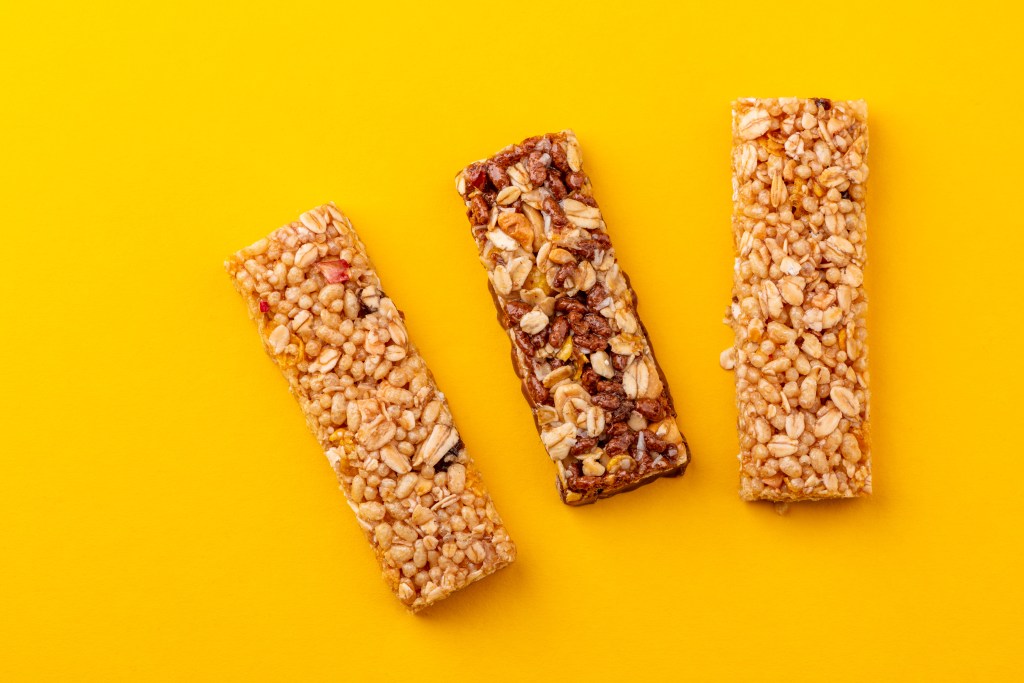
How to Keep the “Bite,” “Snap,” and “Chew” Consumers Expect in Baked Goods and Confections
As consumer demand for plant-based products continues to surge, one of the biggest challenges for food brands is maintaining the satisfying textures that define indulgent baked goods and confections. Texture—whether it’s the tender crumb of a cookie, the crisp snap of a chocolate coating, or the creamy melt of a caramel—is critical to product success. Unfortunately, when you remove key animal-based ingredients like butter, milk, or eggs, you often lose not just flavor, but essential functional properties that influence structure, aeration, and mouthfeel.
At World Wide Gourmet Foods, we help brands reformulate classic recipes into plant-based versions that meet clean label expectations without compromising texture. Here are some of the best strategies for achieving that balance.
1. Understand the Function of the Ingredients You’re Replacing
Each animal-derived ingredient contributes a specific role in texture:
- Eggs bind, emulsify, and add lift.
- Butter provides tenderness and layered structure through fat distribution.
- Milk solids enhance Maillard browning and contribute to chew and mouthfeel.
Before replacing an ingredient, determine what function it serves. A flax “egg” may replicate binding but won’t contribute the same aeration as whipped egg whites, so the base formula may need additional leavening or hydration adjustments.
2. Combine Complementary Plant-Based Binders
No single plant-based replacement behaves exactly like an egg or dairy component, so texture often depends on combining multiple ingredients for synergy. Common binder systems include:
- Flax or chia seed gels for moisture retention and binding.
- Aquafaba (the liquid in chickpea cans) for foaming and lightness in meringues or nougat.
- Starches and hydrocolloids such as tapioca starch, guar gum, or pectin to maintain chew and structure.
The right ratios often depend on your product category—cookies may rely on starch-based systems, while chewy caramels or nougat need hydrocolloids for elasticity.
3. Choose the Right Fat System
Plant-based fats vary widely in melting point and crystallization behavior. To replicate butter’s creamy yet structured performance:
- Use fat blends combining coconut oil (for solidity and mouthfeel) with sunflower or canola oil (for softness and clean flavor).
- Explore non-hydrogenated shortenings that mimic butter’s plasticity during mixing and baking.
- In enrobed confections, use tempered cocoa butter or specialty vegan coatings to retain a crisp, snappable shell without waxy buildup.
Testing multiple fat systems can make or break perceived quality—especially in laminated doughs, shortbreads, and chocolate inclusions.
4. Manage Moisture and Water Activity
Plant-based recipes often require higher hydration due to fiber-rich or protein-based ingredients. However, excess water can collapse air cells and create gummy textures.
Balance is key:
- Adjust bake times and drying temperatures to reach the right water activity (a_w) for shelf stability and crispness.
- Incorporate humectants like agave syrup or tapioca syrup solids for moisture control in soft cookies or bars.
- Use pre-hydrated fibers (like oat or bamboo fiber) to hold moisture evenly without stickiness.
5. Leverage Plant Proteins and Texturizers
Emerging plant proteins—such as pea, rice, or faba bean—offer structure and elasticity but can be gritty or drying on their own. Combining them with:
- Enzymes (like transglutaminase or amylase) to enhance structure, or
- Emulsifiers (like lecithin or sunflower-based emulsifiers) to stabilize batters—
can significantly improve texture consistency during scaling and packaging.
6. Test, Taste, and Iterate
Texture is sensory and often subjective, so pilot trials are essential. Conduct side-by-side testing with your traditional version and your plant-based prototype to ensure parity in:
- Bite force and crumble
- Moisture retention over shelf life
- Perceived freshness and flavor release
This process helps ensure that consumers won’t notice what’s missing—only that your product delivers the same satisfying experience.
Final Thoughts
Transitioning a traditional formula to a plant-based one is as much about engineering as it is about creativity. By understanding ingredient functionality and strategically layering plant-based components, brands can achieve textures that rival—and sometimes surpass—the originals.
At World Wide Gourmet Foods, our R&D and production teams specialize in creating plant-based baked goods and confections that deliver indulgence with integrity. If your brand is exploring a plant-based line or reformulating an existing item, connect with us to learn how we can help you develop a texture-forward product consumers will love.
 World Wide Gourmet Foods