
When consumers scan ingredient labels today, they often look for one thing: how processed is this product? The answer isn’t always simple, but understanding the difference between whole food ingredients, processed foods, and ultra-processed foods can help both brands and shoppers make more informed choices—especially in categories like cookies, bars, and confections.
Whole Food Ingredients: The Building Blocks of Clean Labels
Whole food ingredients are the least processed options available. They’re minimally altered from their natural state and typically require simple mechanical steps like washing, grinding, or roasting before use.
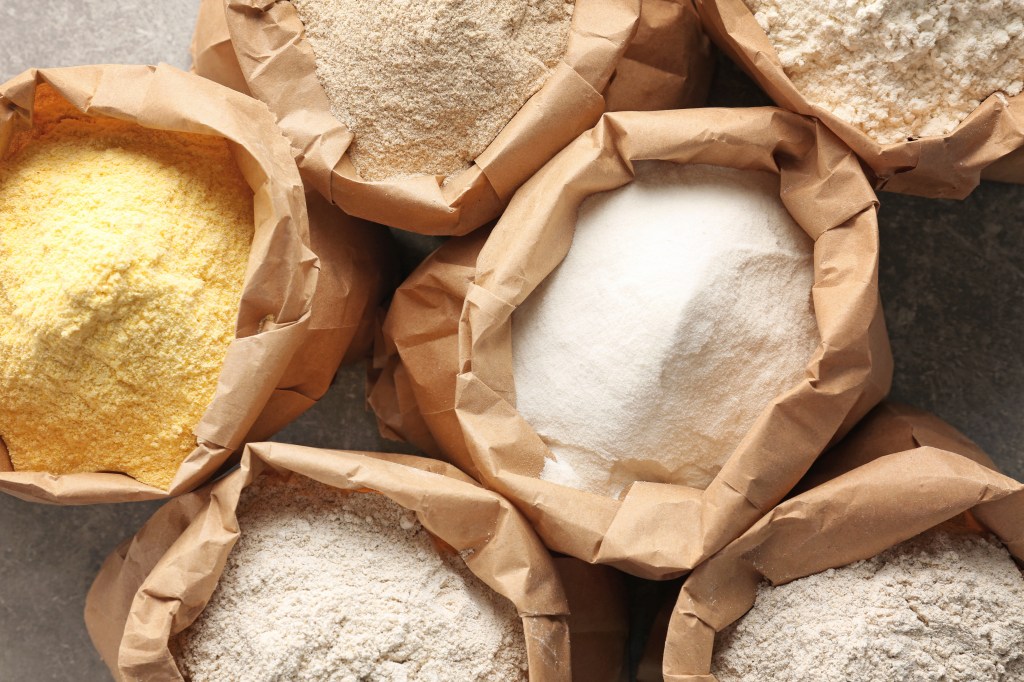
- Examples in baked goods and confections: whole wheat flour, rolled oats, raw nuts, dried fruit, cocoa nibs, and honey.
- Benefits: Familiar to consumers, perceived as “clean” or natural, often nutrient-dense.
- Challenges: Shorter shelf life, cost variability, and potential texture or flavor limitations in large-scale manufacturing.
When used well, whole food ingredients signal simplicity and transparency to customers—a growing priority in the better-for-you market.
Processed Ingredients: The Middle Ground
Processed ingredients fall between whole foods and ultra-processed inputs. They’ve been refined, extracted, or combined in ways that alter their original structure but not beyond recognition.
- Examples: cane sugar, flour (enriched or bleached), cocoa powder, vegetable oils, and butter.
- Benefits: Reliable performance, longer shelf stability, and consistency across batches.
- Challenges: Some consumers perceive refined flours and sugars as “less healthy,” even though they remain foundational to texture, taste, and functionality in baked goods.
Most traditional baked goods and chocolates rely on this category—it’s the backbone of commercial production.
Ultra-Processed Ingredients: Engineered for Functionality
Ultra-processed ingredients are typically industrial formulations that combine additives, isolates, and emulsifiers. They’re designed to enhance flavor, texture, shelf life, or nutritional profile in ways whole foods or simply processed foods cannot.
- Examples: high-intensity sweeteners, sugar alcohols, protein isolates, artificial colors, hydrogenated fats, and emulsifiers like soy lecithin or mono- and diglycerides.
- Benefits: Enable innovation—think high-protein cookies, sugar-free chocolate, or low-carb snack bars. They help brands meet dietary trends and extend shelf life.
- Challenges: Increasing consumer skepticism. Shoppers may view ultra-processed as “unnatural,” especially when ingredient lists become long and complex.
That said, many ultra-processed ingredients are rigorously tested for safety and play a key role in meeting modern nutrition and formulation demands.
Why the Distinction Matters for Brands
For packaged baked goods and confections, finding the right balance is critical. A successful product might combine:
- Whole foods for consumer trust and marketing appeal.
- Processed ingredients for structure, sweetness, and consistency.
- Ultra-processed ingredients to solve functional challenges (like keeping a protein bar soft or a chocolate coating shiny without bloom).
The goal is transparency. Today’s consumers are less concerned with perfection and more interested in honesty—brands that clearly explain why they use certain ingredients build stronger loyalty.
Final Thoughts
The conversation around processing isn’t about “good vs. bad.” It’s about fit, balance, and trust. Whole foods provide simplicity, processed ingredients add reliability, and ultra-processed ingredients unlock innovation. When thoughtfully combined, they can create packaged baked goods and confections that taste great, meet dietary needs, and resonate with consumers seeking both indulgence and wellness.
 World Wide Gourmet Foods