

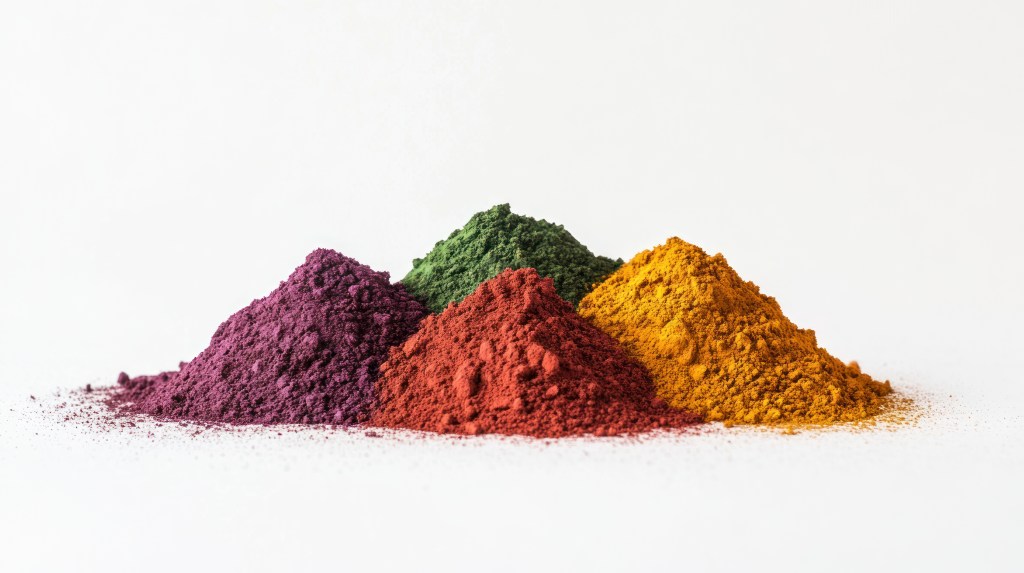
Color is one of the most powerful elements in food. From the rosy swirl of raspberry icing to the sunset hue of pumpkin bread, vibrant shades signal freshness, flavor, and quality. In recent years, consumers—particularly health-conscious and clean-label shoppers—are increasingly drawn to natural colors, preferring them over synthetic dyes. At World Wide Gourmet Foods (WWGF), we understand this shift deeply. Our expertise in natural color development ensures your products not only look stunning but also feel authentic.
Natural Food Colors: Where Beauty and Authenticity Meet
Natural colors are derived from plants, minerals, and other natural sources, often with minimal processing to retain their authenticity. These hues align with clean-label trends and resonate with consumers seeking transparency.
Common sources include:
- Fruits & Vegetables (e.g., beetroot, red cabbage, spinach, blueberries, carrots)
- Spices & Roots (e.g., turmeric, paprika)
- Minerals (e.g., calcium carbonate for white, iron oxides for earthy tones)
- Emerging Botanical Sources (e.g., algae, elderberry)
Manufacturing steps:
- Sourcing – Carefully selecting crops or minerals.
- Extraction – Using water, alcohol, or oil to extract natural pigments.
- Refinement – Concentrating and drying into powders or liquids.
- Stabilization – Employing carriers or encapsulation for color longevity and consistency.
While natural pigments can be more sensitive to heat, pH, and light than synthetic dyes, modern innovations—like microencapsulation and fermentation-derived pigments—are greatly improving their stability and versatility.
Artificial Colors: A Fading Trend
Artificial colors—historically derived from petroleum-based chemicals—offered bold, consistent hues at low cost. But their appeal is waning as consumers and regulators grow increasingly wary.
In the European Union, regulation is considerably stricter:
- Red Dye 3 (E127) has been banned for general food use since 1994, allowed only in specific products like cocktail cherries The Guardian.
- Warnings for behavioral risks: Since around 2010, the EU mandates warning labels on products containing certain synthetic dyes (e.g., Red 40, Yellow 5, Yellow 6) to alert consumers about potential impacts on children’s attention and activity Parent Data by Emily Oster.
- Some countries (Denmark, Belgium, France, Switzerland, Sweden) have additionally banned Allura Red AC (Red 40/E129)—even where it is EU-approved CSPI.
These measures reflect the EU’s precautionary approach. Although not all synthetic dyes are banned, heightened regulation and labeling have significantly reduced their use in food products Parent Data by Emily Oster.
Why Natural Colors Triumph
| Natural Colors | Artificial Colors | |
|---|---|---|
| Consumer Trust | Perceived as wholesome, transparent, and authentic | Often seen as synthetic or harmful |
| Regulatory Landscape | Stable and growing acceptance globally | Increasing restrictions (notably in the EU) |
| Brand Positioning | Ideal for clean-label, premium, and wellness-driven brands | Waning appeal due to health concerns |
| Innovation Potential | Strong advances in stability and new color sources | Limited development and negative perception |
WWGF: Your Natural Color Partner
With Europe taking the lead in reducing artificial colors, forward-thinking brands are seeking natural alternatives that meet both regulatory and consumer expectations. Here’s how WWGF can support you:
- Tailored Product Development: Integrate natural pigments into confections, snacks, frostings, beverages, and more.
- Stability Assurance: Rigorous testing through R&D to ensure consistent results across formulations and processing conditions.
- Clean-Label Expertise: Guidance on ingredient transparency, labeling, and compliance—critical in markets like the EU.
- Future-Ready Innovation: Exploration and adoption of cutting-edge natural pigment sources and fortified techniques.
Final Thoughts
The future of food coloring is decidedly natural—favoring pigments derived from fruits, roots, and botanicals over synthetic alternatives. Legislatures like the EU have set the precedent, banning or warning against artificial dyes to prioritize health and safety. By partnering with World Wide Gourmet Foods, you’re not just switching to natural colors—you’re embracing integrity, innovation, and consumer trust.
Ready to elevate your products with nature-derived vibrancy that meets global standards and exceeds consumer expectations? Let’s make it happen—naturally.
 World Wide Gourmet Foods