

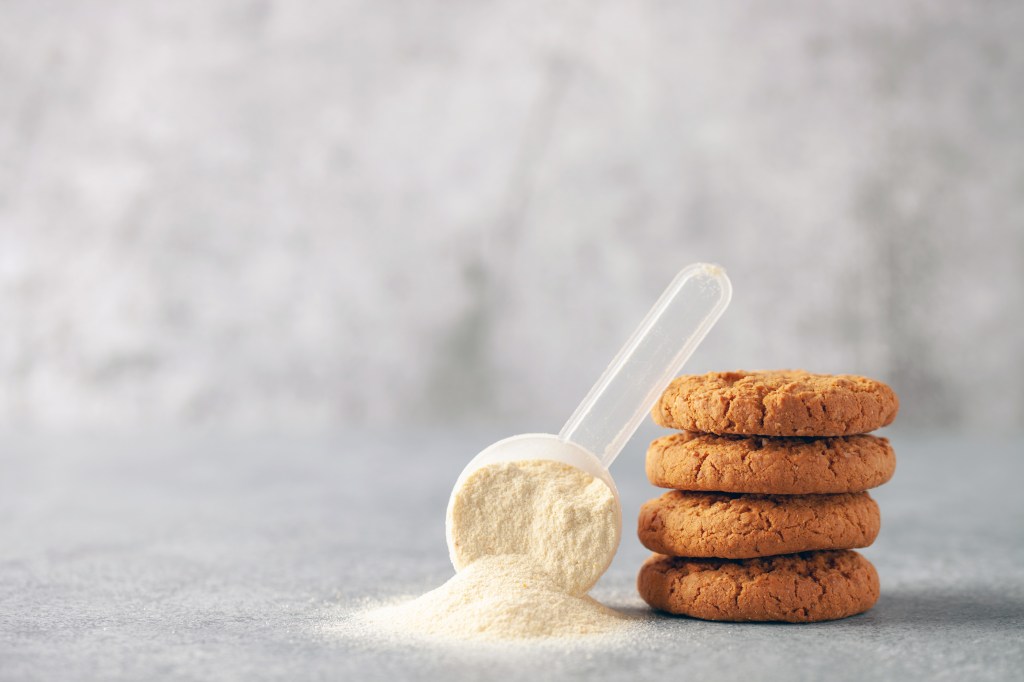
As demand for protein-rich snacks continues to rise across mainstream and specialty markets, protein cookies have become a go-to format for brands aiming to deliver indulgence with function. Whether your brand focuses on fitness enthusiasts, health-conscious consumers, or snackers looking for better-for-you options, developing a successful protein cookie involves more than just adding protein powder to dough. In this post, we’ll outline the key components of protein cookie development — from ingredient selection to cookie sizing and packaging.
1. Choosing the Right Protein Source
The protein source is the cornerstone of your cookie’s nutritional profile and mouthfeel. Consider the following options based on your audience, desired texture, and label claims:
Animal-Based Proteins
- Whey Protein Isolate/Concentrate – Delivers complete protein with excellent bioavailability. Can create soft, chewy textures but may brown quickly during baking.
- Casein – Ideal for sustained-release products. Offers a creamy mouthfeel but can increase density.
- Collagen Peptides – Popular for joint and skin health; neutral flavor and good for grain-free formats.
Plant-Based Proteins
- Pea Protein – High in lysine; often combined with rice protein for a complete profile.
- Rice Protein – Mild flavor, good for gluten-free or vegan cookies.
- Pumpkin Seed, Sunflower Seed, or Hemp Protein – Nutrient-dense and allergen-friendly options.
- Almond or Peanut Protein – Boosts both flavor and protein while supporting clean-label goals.
2. Flour Choices for Texture & Nutrition
Balancing flour choice with protein content is key to achieving the desired texture without compromising nutritional goals.
Common Flours for Protein Cookies
- Oat Flour – Offers a hearty texture and familiar flavor; pairs well with both whey and plant proteins.
- Almond Flour – Low-carb and high in healthy fats; popular in keto-friendly recipes.
- Chickpea or Lentil Flour – Adds plant-based protein and fiber with an earthy flavor.
- Tapioca or Arrowroot Starch – Used in small amounts to improve chewiness and softness.
- Whole Wheat or White Whole Wheat Flour – High in fiber and works well in mainstream better-for-you cookies.
3. Inclusions: Boost Flavor, Texture, and Visual Appeal
Inclusions not only enhance the consumer experience but also add functional or indulgent appeal.
Popular Inclusions
- Chocolate Chips or Chunks – Use no-sugar-added, high-cocoa-content chips for health-focused products.
- Nuts & Seeds – Almonds, walnuts, chia, or flax add crunch, healthy fats, and protein.
- Dried Fruits – Raisins, cranberries, or dates (in moderation) can complement sugar substitutes.
- Coatings or Drizzles – A chocolate drizzle or yogurt coating adds visual and taste appeal but requires packaging that maintains shelf stability.
- Functional Add-Ins – Probiotics, fiber blends, or adaptogens can differentiate your product in the wellness space.
4. Sweeteners: Sugar vs. Sugar Substitutes
Finding the right balance of sweetness is essential for repeat purchase. Choose from natural, low-glycemic, or sugar-free options depending on your formulation goals.
Natural Sweeteners
- Coconut Sugar – Lower glycemic than cane sugar; adds a caramel flavor.
- Honey, Maple Syrup, or Date Syrup – Clean-label options but impact moisture and shelf stability.
Sugar Substitutes
- Allulose – Excellent for sugar-free cookies; low-calorie with sugar-like taste.
- Erythritol – Pairs well with monk fruit or stevia but may cause a cooling effect.
- Stevia or Monk Fruit Extract – Often used in combination with other bulking agents.
- Isomalto-Oligosaccharides (IMO) – Adds fiber and sweetness; may help with structure.
5. Cookie Sizes & Packaging Formats
Different cookie sizes not only impact portion control and calorie count, but also influence packaging decisions and consumer use cases.
Large Single-Serving Cookies (2oz–4oz)
- Target Use: Meal replacement, post-workout snack, or on-the-go indulgence.
- Packaging: Individually flow wrapped, then packed into cartons or caddies for retail display.
One-Bite Cookies (10–20g each)
- Target Use: Snacking, lunchboxes, portion-controlled treats.
- Packaging Options:
- Flow wrapped trays – Protect shape and structure for upscale presentations.
- Resealable pouches – Ideal for family snacking and freshness.
- Pillow bags inside cartons – Cost-effective and compact.
Button Cookies (mini cookies, 3g–5g each)
- Target Use: Kid-friendly snacks, diet-friendly treats, or calorie-conscious consumers.
- Packaging Options:
- Resealable pouches – Easy open/close for multiple uses.
- Pillow bags – Great for portion control and variety packs.
- Cartons – Useful for club stores or multi-serve presentations.
Final Tips for Success
- Balance Protein Content and Texture: Too much protein can make cookies dry or crumbly. Start with 10–15g protein per serving and adjust moisture and fat levels.
- Test Sweetener Interactions: Not all sugar substitutes behave the same during baking — test for browning, spreading, and aftertaste.
- Mind the Label: Use recognizable ingredients and clean-label claims to drive shelf appeal.
- Pilot in Phases: Begin with smaller runs to refine formula and optimize bake time, spread, and packaging fit.
Ready to Launch Your Protein Cookie?
At World Wide Gourmet Foods, we’ve developed protein cookies across multiple formats — including flow-wrapped singles, pouches, and pillow-packed bites — using a variety of protein sources, flours, and inclusions. Whether you’re looking to create a soft-baked meal replacement or a crunchy keto-friendly snack, we can help turn your concept into a shelf-ready reality.
 World Wide Gourmet Foods