
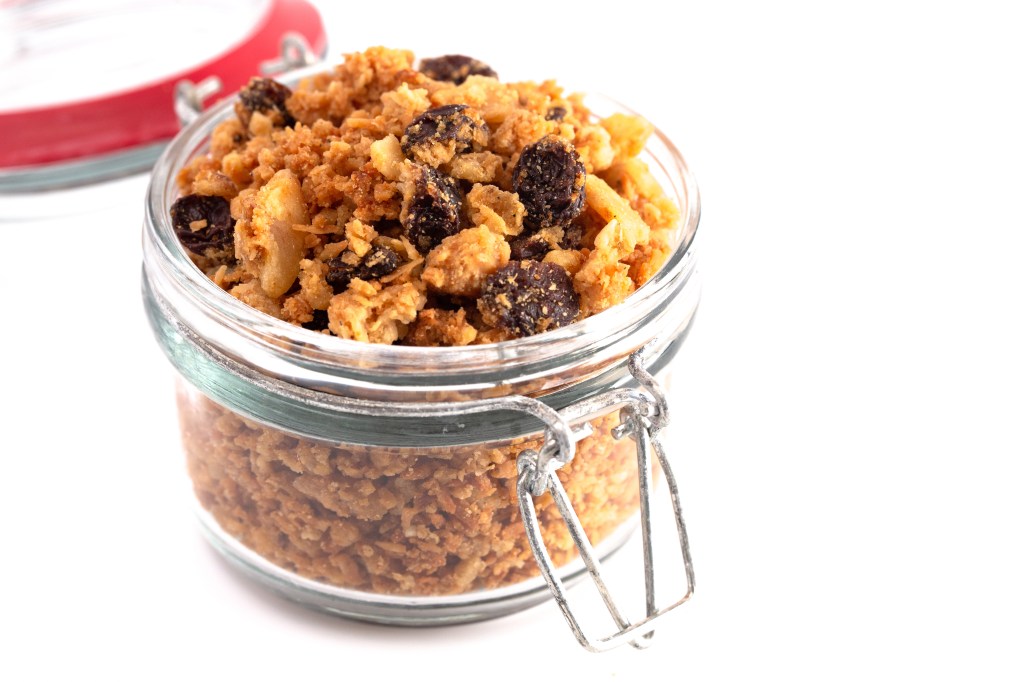
Grain-free granola has emerged as a staple in the better-for-you category, appealing to keto, paleo, gluten-free, and low-carb consumers. As demand for functional, low-glycemic snacks continues to rise, manufacturers have the opportunity to innovate within this space—without compromising on taste, texture, or shelf stability.
Here’s a guide to building a successful grain-free granola product at scale.
1. Build the Base: Nuts and Seeds
Since traditional oats and grains are excluded, your bulk ingredients will come from a diverse mix of nuts and seeds that provide structure, texture, and nutritional value:
- Almonds (whole, sliced, or chopped)
- Pecans and walnuts (for a rich, buttery bite)
- Cashews (mild flavor and softer texture)
- Pumpkin seeds (pepitas)
- Sunflower seeds
- Flaxseeds and chia seeds (add nutritional density and help bind the mix)
When scaling production, it’s important to source consistent lot sizes, maintain allergen documentation, and consider the oil content of each nut or seed for shelf life and oxidation control.
2. Bind and Sweeten Effectively
Binding agents are essential for cluster formation and uniform texture in grain-free granola. In commercial production, the binder also impacts flowability, cleanability of equipment, and bake-off performance.
Common options include:
- Coconut oil or avocado oil – deliver clean flavor and help with crisping
- Maple syrup, honey, or date syrup – natural sweeteners suitable for paleo-friendly SKUs
- Allulose or monk fruit syrup – low-glycemic alternatives for keto formulations
- Nut butters – almond or cashew butter for added flavor and chunk formation
Use emulsifiers like sunflower lecithin to improve consistency and reduce oil separation.
3. Incorporate Non-Traditional Ingredients
To differentiate in the market and enhance nutritional value, consider integrating non-traditional components:
- Roasted chickpeas – provide a satisfying crunch and plant-based protein
- Soy nuts – low-carb, high-protein, and cost-effective
- Tahini (sesame paste) – acts as both a binder and flavor enhancer
- Dehydrated vegetables (e.g. beets, carrots) – for color and visual appeal in savory blends
- Crisped legumes or pea protein crisps – add texture and protein without grains
These ingredients allow for cross-category innovation and support high-protein, allergen-conscious, or savory flavor profiles.
4. Flavor Development: Functional & Trend-Aligned
Flavor matters more than ever in functional granola. Popular grain-free granola flavors align with global flavor trends and functional benefits:
- Cinnamon Vanilla Pecan (comforting and familiar)
- Chocolate Tahini Almond (decadent and nutrient-rich)
- Maple Sea Salt with Roasted Chickpeas (sweet-savory crossover)
- Espresso Walnut with Cacao Nibs (functional caffeine boost)
- Golden Turmeric Cashew (anti-inflammatory positioning)
Flavoring should be shelf-stable, clean-label, and compliant with your certifying bodies (e.g., organic, non-GMO, gluten-free).
5. Packaging for Shelf Life & Brand Appeal
For maximum freshness and visual impact, common packaging formats include:
- Stand-up pouches with resealable zippers – ideal for 6oz to 12oz sizes
- Single-serve packs (1.5–2oz) – for convenience or trial-size offerings
- Multi-pack cartons – for club stores or variety packs
Nitrogen flushing can extend shelf life but may require higher minimums and specific pouch structures. Barrier films with high oxygen/moisture resistance are critical to preserve texture and prevent oil rancidity.
6. Commercial Considerations
Manufacturers should be aware of several important operational and regulatory factors:
- Minimum batch sizes: Most lines require at least a day’s worth of production per flavor to be cost-efficient with allergen cleanups in between batches, which could be anywhere from 1,000lbs to 5,000lbs depending on the manufacturer and the minimums of your ingredients
- Allergen cleanup/separation: If you product uses allergens like nuts, soy, or sesame, you may find that your minimums go up or you have to use dedicated lines for those allergens
- SQF or GFSI certification: Required by many retail and club store buyers
- Labeling compliance: Grain-free claims should be supported by clear ingredient documentation
Final Thoughts
Grain-free granola is more than just a health trend—it’s a versatile, scalable product category with room for creative innovation and premium positioning. Whether you’re targeting the keto, paleo, or clean-label customer, developing a grain-free granola with strong flavor, functional value, and robust shelf life can set your brand apart.
Need help scaling your grain-free granola line? Contact World Wide Gourmet Foods to explore how our SQF-certified facility and R&D team can support your next clean-label launch.
 World Wide Gourmet Foods