
In today’s competitive baked goods market, packaging plays a crucial role not only in protecting the product but also in influencing consumer buying decisions, maintaining freshness, and supporting brand identity. From cookies and granola to cereals, donuts, and snack mixes, manufacturers have several popular packaging options to choose from—each with its own advantages and limitations. Below, we explore the most commonly used formats: stand-up pouches with resealable tops, pillow bags in cartons, and flow-wrapped packaging.

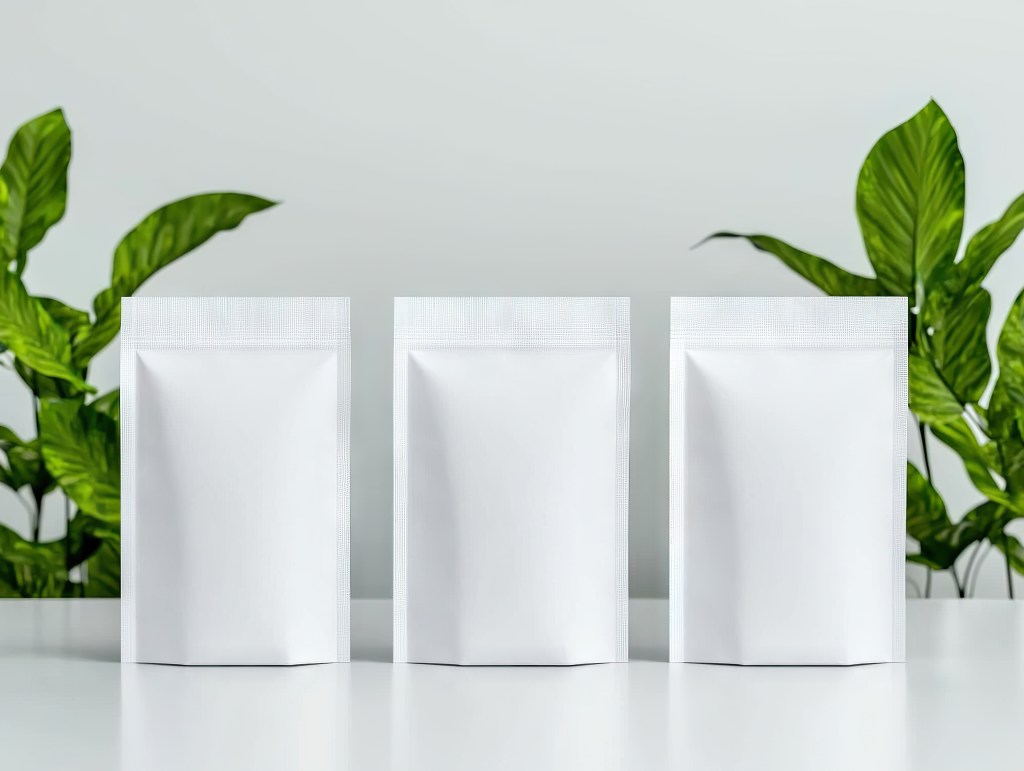
1. Stand-Up Pouches with Resealable Tops
Commonly Used For:
- Granola
- Cookies (especially minis or multi-count)
- Snack Mixes
- Cereal (in some natural or premium brands)
- Mini Donuts
Advantages:
- Resealability: Keeps products fresher longer, which is ideal for multi-serve snacks.
- Shelf Presence: Pouches stand upright on store shelves, offering strong visual appeal.
- Lightweight & Compact: Easier to ship and store compared to rigid containers.
- Versatile for Portion Sizes: Can be used for a variety of weights and volumes.
Limitations:
- Higher Cost: Custom printed pouches with zippers tend to be more expensive than traditional bags.
- Not Ideal for Large or Fragile Items: Can lack structural protection for delicate or large items unless combined with inner trays.
Popularity Insights:
Granola and snack mixes are most commonly packaged in resealable stand-up pouches due to consumer demand for freshness and convenience. Cookies and mini donuts are increasingly adopting this format, particularly for multi-serve packs.
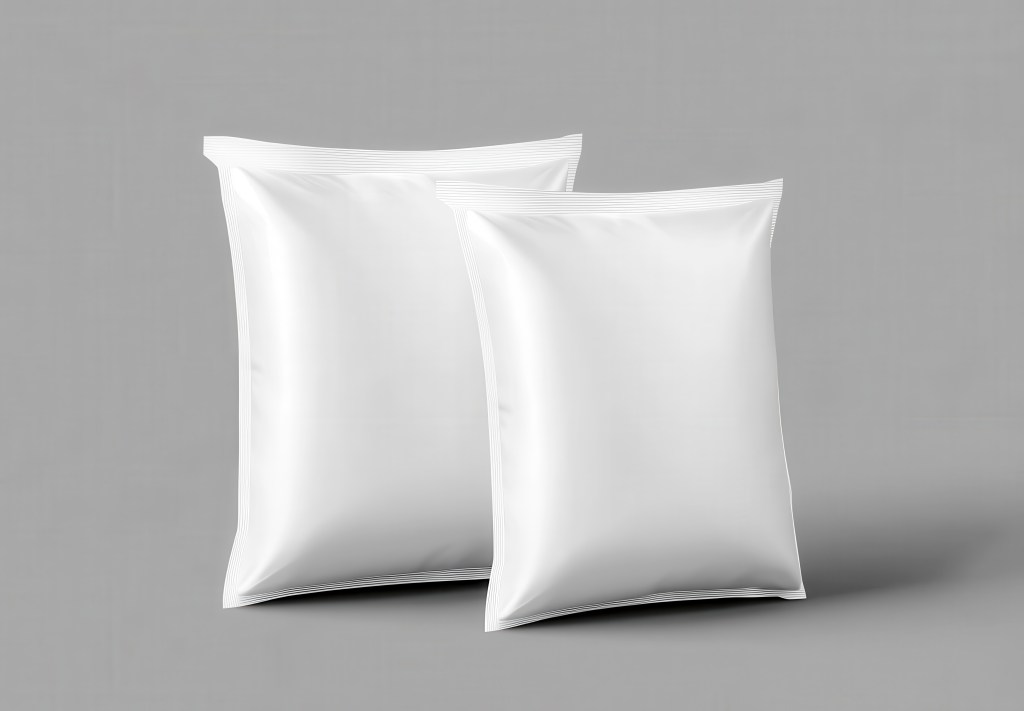
2. Pillow Bags in Cardboard Cartons
Commonly Used For:
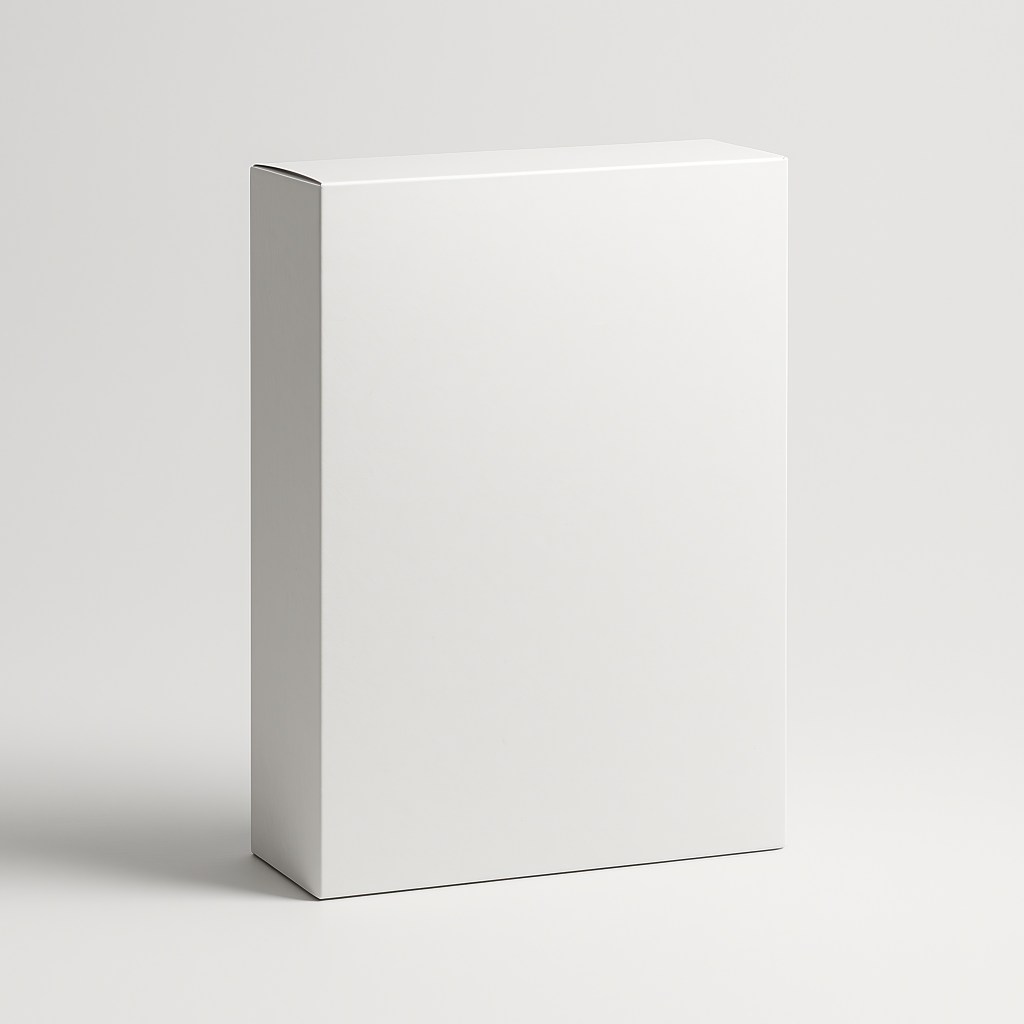
- Cereal (traditional boxed cereal)
- Granola (value or conventional brands)
- Cookies (in multi-count packs)
Advantages:
- Cost-Effective: A well-established and affordable format, particularly at scale.
- Stackability: Cartons allow for efficient shelf stacking and in-store display.
- Print Space: Cartons provide ample real estate for branding and nutritional info.
- Barrier Options: Inner pillow bags can be designed with specific barrier properties to preserve freshness.
Limitations:
- Non-Resealable: Standard pillow bags do not reseal.
- Bulky: Takes up more space during shipping and on shelves compared to flexible packaging.
- More Packaging Waste: Combines paperboard and plastic film, which may not be easily recyclable together.
Popularity Insights:
This is the dominant format for boxed breakfast cereals. It’s also common in conventional cookie and granola products where price and familiarity drive consumer expectations.
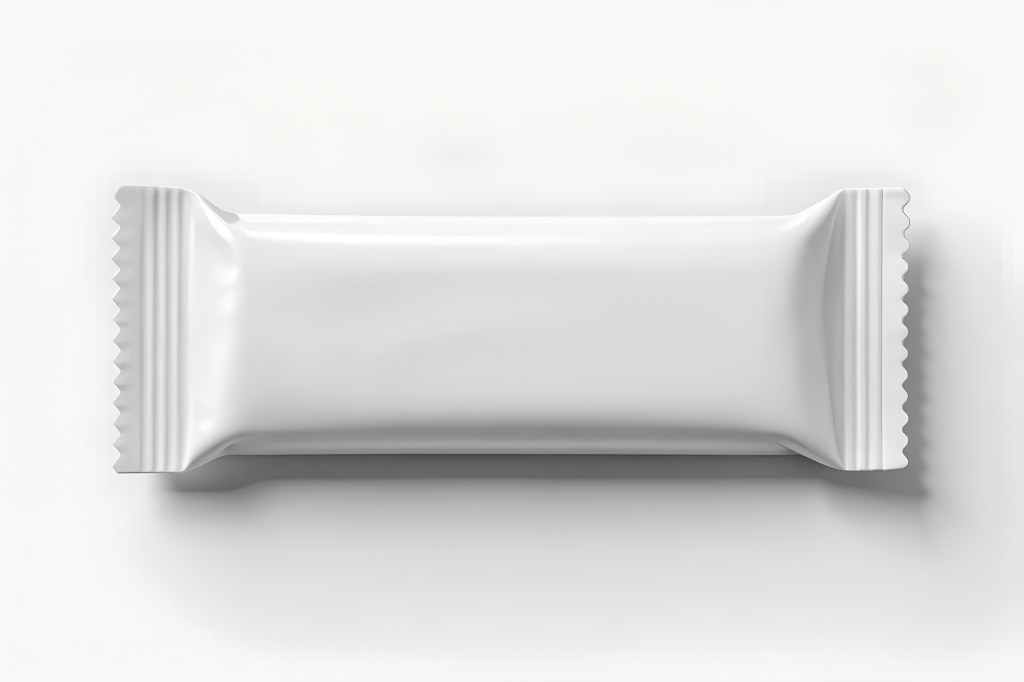
3. Flow-Wrapped Film Packaging
Commonly Used For:
- Single-Serve or Twin-Pack Cookies
- Snack Bars
- Mini or Ring Donuts (single or twin packs)
Advantages:
- Ideal for Single Servings: Offers excellent portion control and portability.
- Efficient Production: High-speed flow-wrapping machines keep costs down.
- Tight Seals: Helps maintain product integrity and freshness.
- Versatile Substrates: Films can be metallized, clear, or printed for branding.
Limitations:
- Not Resealable: Once opened, the product is exposed to air and moisture.
- Limited Protection: Thinner film offers less cushioning; may require additional trays for delicate items.
- Sustainability Concerns: Multi-layer films are often hard to recycle.
Popularity Insights:
Flow wrapping is the go-to for bars, individually wrapped cookies, and small donuts. It’s a dominant format in convenience stores, vending, and club packs where single-serve matters.
Choosing the Right Format for Your Product
The best packaging option depends on several factors, including:
- Product Type & Size: Fragility, moisture sensitivity, and portion size all matter.
- Target Market: Single-serve convenience vs. family-sized pantry items.
- Shelf Life Goals: Resealable formats tend to preserve freshness longer.
- Cost Structure: Consider machinery, material costs, and freight.
- Sustainability Goals: Some formats offer better recyclability or use less material.
Conclusion
Packaging is more than just a container—it’s part of your product’s identity and performance. Whether you’re launching a new snack mix or reformulating your cereal line, understanding the strengths and trade-offs of each format is essential. While stand-up pouches dominate in premium and health-conscious categories, pillow bags and flow wraps continue to lead in volume and efficiency for traditional segments. By aligning your packaging strategy with your brand, audience, and product characteristics, you can deliver not only great taste—but also great experience.
 World Wide Gourmet Foods