

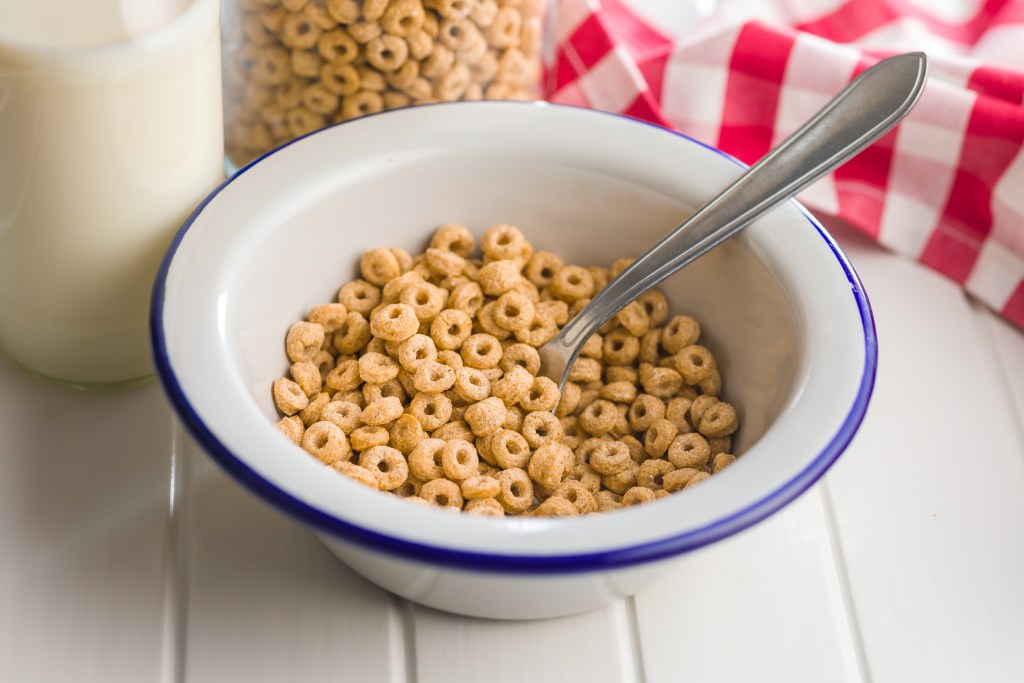
The cereal aisle is undergoing a transformation. Consumers are looking for more than nostalgia in a box — they want function, especially high protein and low sugar. But developing a cereal that checks all those boxes and holds up in milk or yogurt? That takes smart formulation.
Whether you’re building the next best-selling breakfast brand or refining your own recipe, here are key tips and ingredient strategies for creating a high-protein cereal that satisfies nutritionally and texturally.
1. Choose the Right Protein Base
To hit high-protein macros, the core of your cereal needs to include protein-rich inclusions like puffs or crisps. Each offers different benefits.
✅ Protein Puffs
Typically made via extrusion using protein flours (whey, casein, pea, soy, or rice).
- Whey or milk protein puffs: Light, crunchy, neutral flavor. High bioavailability.
- Pea protein puffs: Plant-based, good crunch, earthy undertone.
- Soy or chickpea puffs: Affordable, decent protein, but stronger taste.
✅ Crisped Proteins
These are smaller, denser inclusions, great for blends or clusters.
- Crisped whey or rice protein: More dense, better texture in yogurt.
- Blended crisps (e.g., whey + rice + starch): Good for controlled texture and added crunch.
Tip: Pair multiple types to balance flavor and structure. Some brands mix extruded puffs with flakes or clusters to enhance eating experience.
2. Keep Sugar in Check – Without Killing Flavor
The hardest part of formulating better-for-you cereal is delivering sweetness with minimal added sugar.
Sweetener Options:
- Allulose: Excellent sugar replacement (1:1), adds bulk, browns like sugar, minimal GI impact.
- Monk Fruit (often blended with erythritol or allulose): Clean, natural, calorie-free.
- Stevia Reb M (or other non-bitter versions): Best in small amounts; can spike when overused.
- Inulin/Chicory Root Fiber: Adds slight sweetness and acts as a prebiotic fiber.
Bulking Agents:
Low sugar can mean low weight — which consumers notice. Use:
- Soluble corn fiber
- Tapioca fiber syrup
- Polydextrose (for calorie control and texture)
Pro Tip: Don’t chase zero sugar if it ruins taste. A small amount of real sugar (e.g., <2g/serving) can round out the flavor and avoid the “off” aftertaste of some sweeteners.
3. Optimize Texture & Milk Durability
Texture makes or breaks cereal — especially when soaked. Your formula should retain crunch for at least 5–10 minutes in milk or yogurt.
In Different Mediums:
- Milk / Almond Milk / Oat Milk: Light puffs tend to soften quickly; denser crisps last longer.
- Greek Yogurt: Ideal for crisped cereals and clusters — the thickness preserves crunch.
- Yogurt Parfaits: Use mixed formats (puffs + granola clusters) to give bite variety.
Binding Agents (in clusters or coatings):
- Palm shortening or coconut oil + allulose syrup gives good coating and crunch.
- Tapioca syrup provides slight chew but may soften in milk faster.
4. Target the Right Macros (Including Milk)
Let’s say your consumer eats a bowl with 3/4 cup cereal + 1 cup unsweetened almond milk or 2% dairy milk. Here’s how to build toward satisfying macros:
| Macronutrient | Target Per Serving (with milk) | Ingredient Tips |
|---|---|---|
| Protein | 15–20g | Milk protein crisps, whey, or pea crisps + dairy milk |
| Fiber | 6–10g | Inulin, oat fiber, flax meal, chicory, psyllium |
| Fat | 4–8g | Nut butters, coconut oil, MCT, flax, sunflower seeds |
| Net Carbs | 8–15g | Use allulose or fiber syrups to offset sugar |
| Sugar | <4g added | Natural sweetener blends |
Example:
- ¾ cup cereal with 13g protein from the cereal (milk protein puffs + crisps)
- 2g added sugar + 5g from allulose/inulin
- 4g fat (from coconut oil or nut base)
- Paired with 1 cup almond milk (1g protein), totals ~14g protein
Want to go higher? Use dairy milk or add protein-enhanced almond/oat milks.
5. Final Tips for Flavor and Format
- Don’t make it feel like a supplement. Focus on nostalgic flavors like Cocoa Crunch, Cinnamon Swirl, or Vanilla Almond.
- Flavor layering matters. Use vanilla or salt to enhance sweetness. A dusting of cocoa or cinnamon post-extrusion helps too.
- Keep portion sizes realistic. ¾–1 cup is ideal. Watch calorie density if using lots of fats.
Bottom Line
Formulating a high-protein cereal that’s clean, functional, and tasty isn’t easy — but it’s absolutely possible. The best formulas balance macro nutrition with flavor and texture, hold up in milk and yogurt, and avoid the pitfalls of “too healthy to be good.”
If you’re developing a new high-protein cereal, it’s worth running multiple texture tests across different dairy and non-dairy milks, and always get early feedback from your core audience.
Want help developing your own high-protein cereal formula? Our team at World Wide Gourmet Foods has experience in both protein fortification and cereal extrusion. Contact us here to learn more.
 World Wide Gourmet Foods