

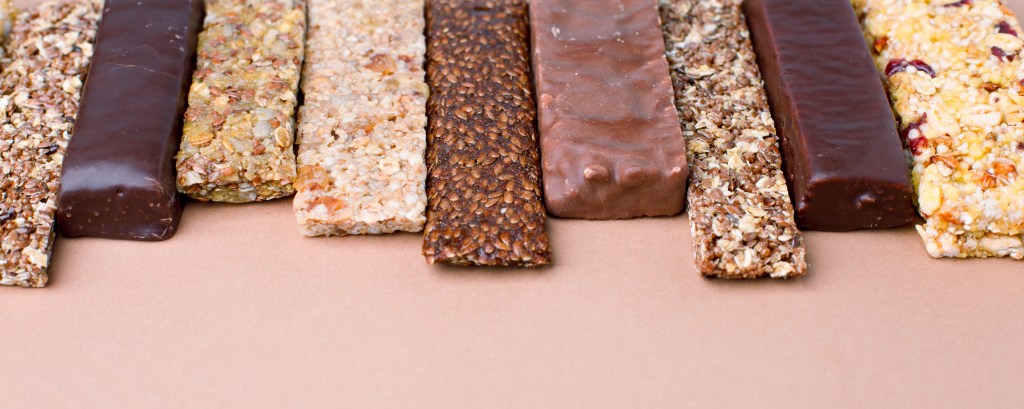
With the rise of on-the-go eating, meal replacement bars have become a staple for busy professionals, athletes, and health-conscious consumers alike. But let’s be honest — not all bars are created equal. Many are glorified candy bars in disguise, while others leave you hungry an hour later. So, how do you create a meal replacement bar that actually satisfies and keeps you full?
Whether you’re developing a bar brand or making better choices for yourself, here are five science-backed tips to ensure your bar delivers on fullness, function, and flavor.
1. Balance the Macronutrients
A meal replacement bar should mirror the macronutrient balance of a real meal: protein, fat, and complex carbohydrates.
- Protein is crucial for satiety and muscle maintenance. Aim for at least 15–20g per bar.
- Healthy fats (think nut butters, coconut oil, flax) slow digestion and help you feel full longer.
- Complex carbs like oats, quinoa, or chicory root fiber provide sustained energy — not a sugar crash.
Avoid the trap of going too low-carb or fat-free. Without a balance, your bar won’t satisfy the way a real meal does.
2. Add Functional Fiber
Fiber not only supports digestion but also plays a major role in fullness. Soluble fibers (like inulin, psyllium, or acacia fiber) absorb water and expand in the stomach, helping you feel fuller, longer.
Target: 8–10g of fiber per bar, ideally from whole food or prebiotic sources.
Bonus: Fiber can help regulate blood sugar and keep energy levels steady — a key benefit for anyone using the bar as a true meal swap.
3. Choose Smart Sweeteners
Too much sugar can cause blood sugar spikes and crashes — the enemy of sustained fullness. But overly “diet” tasting bars made with sugar alcohols or stevia alone can feel unsatisfying.
Use natural, low-glycemic sweeteners like:
- Allulose
- Monk fruit (paired with another sweetener)
- Small amounts of honey or maple syrup (if not low-carb)
Strike a balance between palatability and performance.
4. Use Texture to Your Advantage
Creamy bars without texture tend to feel less substantial. A satisfying mouthfeel can trick the brain into feeling more full.
Tips:
- Add crunch via nuts, seeds, crisped proteins, or granola clusters.
- Use layers: chewy base, creamy center, enrobed top.
- Avoid overly sticky or dry textures — they can be off-putting.
A bar that feels like a meal is more likely to act like one.
5. Think Beyond the Label — Use Satiety Science
Certain ingredients can help increase satiety without adding bulk:
- Milk protein isolate: Has a higher satiety effect than whey or soy.
- Medium-chain triglycerides (MCTs): Offer fast energy with appetite-blunting properties.
- Nut butters: Create mouth-coating texture and fat-induced satisfaction.
- Micronutrients: A bar with added iron, magnesium, and B vitamins may help the body register it as a “real meal.”
Including real food ingredients your body recognizes helps with both digestion and satiety cues.
Final Thought: Full Isn’t Just Physical — It’s Emotional
At the end of the day, a bar that satisfies should taste really good. Satiety is not just about nutrients — it’s about enjoyment. People don’t want to feel like they’re compromising.
So whether you’re developing a bar for your brand or your personal stash, make sure it delivers on flavor, texture, and performance.
Because no one wants to be hungry 30 minutes after a “meal.”
 World Wide Gourmet Foods