

As consumer demand for environmentally responsible products grows, brand owners and manufacturers of baked goods and confections are seeking sustainable packaging solutions that minimize environmental impact and navigate complex trade regulations. This post explores updated alternatives to plastic packaging, evaluating their advantages, drawbacks, domestic manufacturing availability, and tariff implications.
Sustainable Packaging Alternatives to Plastic
1. Paper-Based Packaging
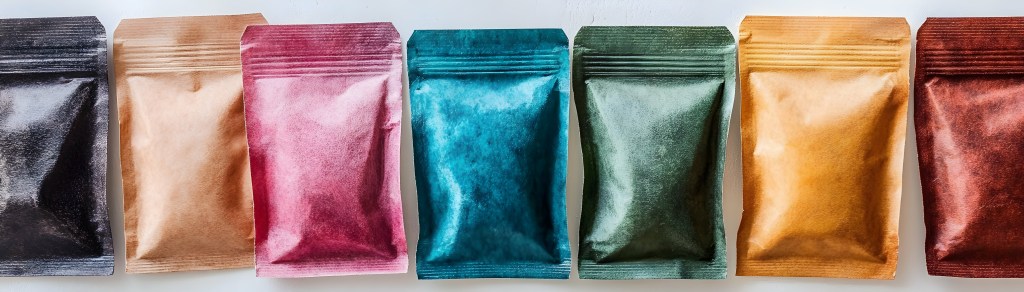
Paper bags, boxes, and wraps are widely used for baked goods due to their biodegradability and recyclability.
Pros:
- Made from renewable resources.
- Recyclable and compostable options available.
Cons:
- Less moisture-resistant than plastic.
- May require additional coatings or liners for products to preserve freshness.
Manufacturing & Tariffs:
- Many paper packaging products are manufactured in the U.S., reducing exposure to tariffs.
- White Board is traditionally imported from Canada, so components made from that material may be subject to tariffs.
- More inexpensive packaging options from countries like China and Vietnam may also be subject to tariffs, making domestic options more cost-effective right now.

2. Compostable Bioplastics (PLA, PHA)
Derived from renewable resources like corn starch, these materials offer a biodegradable alternative to traditional plastics.
Pros:
- Compostable under industrial conditions.
- Suitable for a variety of packaging formats.
Cons:
- Require specific composting facilities to break down effectively.
- May not perform as well as traditional plastics in terms of barrier properties.
Manufacturing & Tariffs:
- Some bioplastics are produced domestically, but many are imported.
- Imports may be subject to tariffs, depending on the country of origin and current trade policies.
3. Molded Fiber Packaging
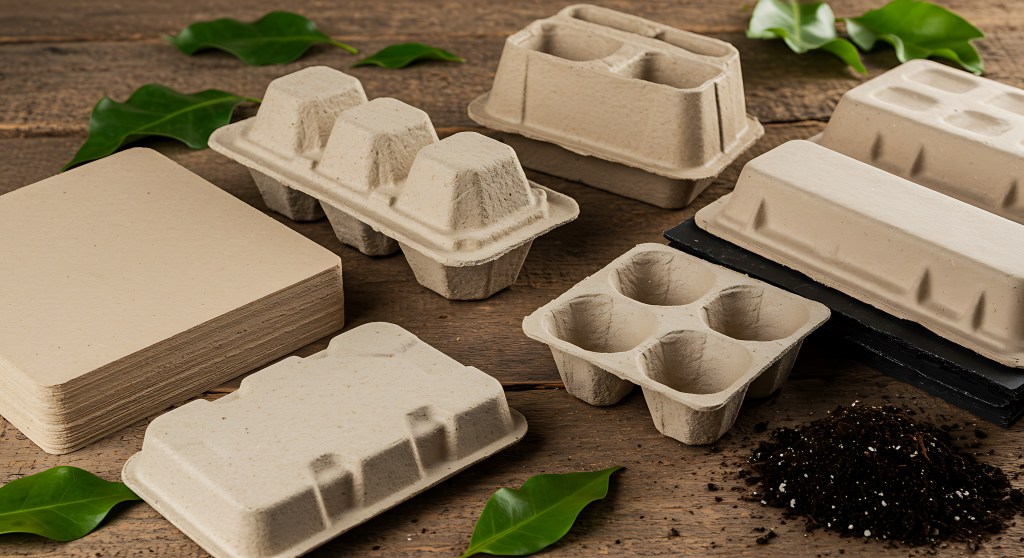
Made from recycled paper or agricultural waste, molded fiber is used for trays, clamshells, and other rigid packaging needs.
Pros:
- Compostable and recyclable.
- Good protective qualities for delicate items.
Cons:
- Higher production costs compared to plastic.
- Limited barrier properties against moisture and oxygen.
Manufacturing & Tariffs:
- Often manufactured domestically, reducing tariff exposure.
- Imported products may face tariffs, depending on trade agreements.

4. Edible Packaging
Innovations in edible packaging, such as those made from seaweed or rice, offer zero-waste solutions.
Pros:
- Eliminates packaging waste entirely.
- Can enhance the consumer experience.
Cons:
- Limited shelf life and protective qualities.
- Regulatory approvals may be required.
Manufacturing & Tariffs:
- Primarily produced in Asia; imports may be subject to tariffs.
- Domestic production is emerging but not yet widespread.
5. Glass and Aluminum Packaging
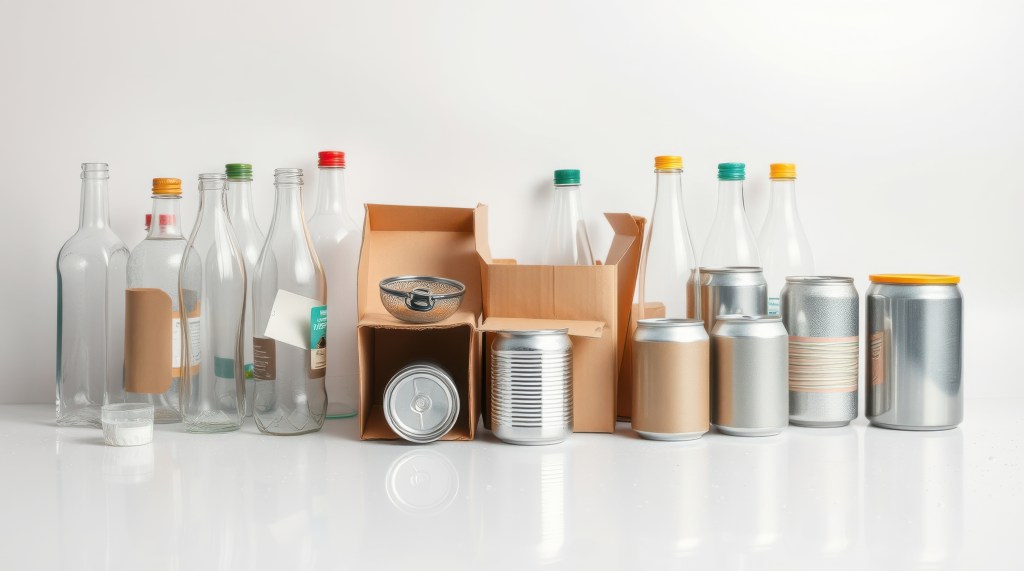
Glass jars and aluminum tins or containers are increasingly used for premium confections and baked goods like cookies, brittles, spreads, and specialty items that benefit from a more durable, reusable, or aesthetically appealing presentation.
Glass Packaging
Pros:
- Fully recyclable without loss of quality.
- Non-reactive and provides excellent barrier protection.
- Perceived as premium and reusable by consumers.
Cons:
- Heavy and breakable, leading to higher shipping costs and potential product loss.
- Requires more energy to produce and recycle compared to some other materials.
Manufacturing & Tariffs:
- Much of the glass packaging used in the U.S. is imported from Mexico, China, and Europe. These imports will be most likely subject to tariffs, unless new trade agreements are signed.
- Some domestic glass manufacturers still operate in the U.S., though capacity may be limited and more expensive.
Aluminum Packaging
Pros:
- Lightweight, fully recyclable, and highly protective against light, oxygen, and moisture.
- Often used for tins, trays, and resealable canisters.
- Recyclable indefinitely without degrading.
Cons:
- Higher upfront costs than plastic or paper.
- May dent or deform in transit without proper secondary packaging.
Manufacturing & Tariffs:
- A significant portion of aluminum containers are manufactured overseas, including in China and India.
- Aluminum imports are most likely subject to tariffs, unless new trade agreements are made.
- U.S.-based suppliers exist but often face raw material cost pressures tied to global commodity markets.
Tariff Considerations
Tariffs can significantly impact the cost and availability of packaging materials:
- U.S.-Made Packaging: Generally, a lot of US-made packaging is exempt from tariffs, offering cost stability, but can be impacted due to global supply chain issues which can raise the commodity price of the components. Typically, US-made packaging is more expensive than imported packaging. In some cases, US-made packaging uses components that are imported from other countries, which can be subject to tariffs.
- Packaging Material: Sometimes the material that makes up the packaging comes from another country and can be subject to tariffs, which can impact your choice to buy those materials. In those cases, it may be cheaper overall to simply purchase completed packaging from companies in those countries.
- Imports from Other Countries: Much of the packaging made in the world is made overseas in Asia. This packaging is subject to varying tariffs, which can increase costs and complicate supply chains.
Conclusion
Transitioning to sustainable packaging requires careful consideration of material properties, environmental impact, manufacturing sources, and trade regulations. Whether it’s paper, bioplastics, molded fiber, edible options, glass, or aluminum, each solution presents a unique blend of benefits and tradeoffs. By evaluating these factors, brand owners and manufacturers can make informed decisions that align with both sustainability goals and business objectives.
 World Wide Gourmet Foods