
When you bite into a gooey chocolate brownie or a perfectly crisp hazelnut biscotti, you’re probably not thinking about international trade policy. But behind every sweet treat lies a complex global supply chain — and when tariffs come into play, that chain can get tangled fast.
Where Your Ingredients Really Come From
Many key ingredients in baked goods and confections aren’t grown in the U.S. and must be imported from around the world. Here’s a quick breakdown of where some of the most common ingredients originate:
- Coconut, Coconut Oil, & Coconut Sugar – Primarily sourced from countries like Malaysia, the Philippines, Indonesia, and Sri Lanka.
- Sunflower Oil & Sunflower Lecithin – Largely imported from Ukraine and parts of Eastern Europe.
- Chocolate (Cocoa) – West African nations such as Côte d’Ivoire and Ghana are major suppliers of raw cocoa beans.
- Sugar – Brazil, India, U.S., and EU
- Vanilla – Madagascar
- Cashews – Commonly come from India, Vietnam, and parts of Africa.
- Hazelnuts – Turkey is the world’s largest exporter of hazelnuts.
Because the U.S. doesn’t produce these ingredients in large quantities, manufacturers depend heavily on imports to maintain product consistency and quality.
The Tariff Ripple Effect
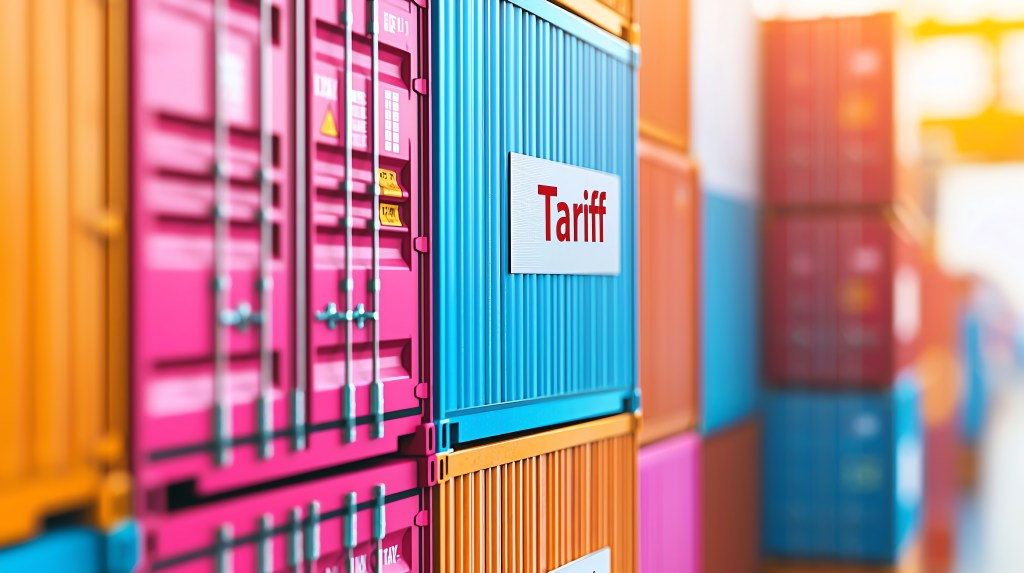
Tariffs — essentially taxes on imported goods — can significantly raise the cost of these ingredients. If the U.S. imposes new tariffs on countries supplying these commodities (or if trade relations become strained and other countries retaliate), it can create a domino effect across the entire food manufacturing sector.
For example:
- A tariff on coconut oil from the Philippines could double the cost for U.S. bakeries that use it as a non-dairy fat in vegan or gluten-free recipes.
- Tariffs on sunflower products from Ukraine could make sunflower oil or lecithin — used for smooth textures in chocolates and pastries — more expensive or harder to source.
- Higher costs on imported cocoa could push up the price of chocolate-based treats across the board.
- If cashews and hazelnuts become more expensive due to trade restrictions, nut-based snacks and fillings might be reformulated or scrapped entirely.
Why Your Favorite Snack Might Disappear
Manufacturers have limited options when faced with rising ingredient costs. They can either absorb the cost (which is rarely sustainable), pass it along to the consumer (resulting in more expensive products), or reformulate.
Unfortunately, reformulating often means removing or replacing key ingredients — and that can change flavor, texture, or even eliminate a product altogether. For example:
- A beloved coconut macaroon might be pulled from shelves if coconut prices skyrocket.
- Your go-to chocolate hazelnut spread might morph into an almond-based alternative.
- That vegan cookie brand you love? It may ditch sunflower lecithin and lose its shelf stability or texture.
What’s Next for the Marketplace
We may start to see shifts in consumer products that reflect these economic pressures. Expect more brands to pivot toward domestic ingredients or promote “locally sourced” alternatives where possible. You might also see more innovation in upcycled or substitute ingredients — like oat-based fats or soy lecithin — to avoid volatile imports.
At the same time, consumers should prepare for some changes in the snack aisle. Some favorites might be reformulated or retired altogether, not because they weren’t selling, but because the cost of keeping them on shelves became unsustainable under new trade rules.
Bottom Line: Tariffs might seem like a distant issue, but they have very real consequences in our daily lives — especially in the foods we love. The next time your favorite snack goes missing or tastes a bit different, the reason might just be rooted in global trade.
 World Wide Gourmet Foods