

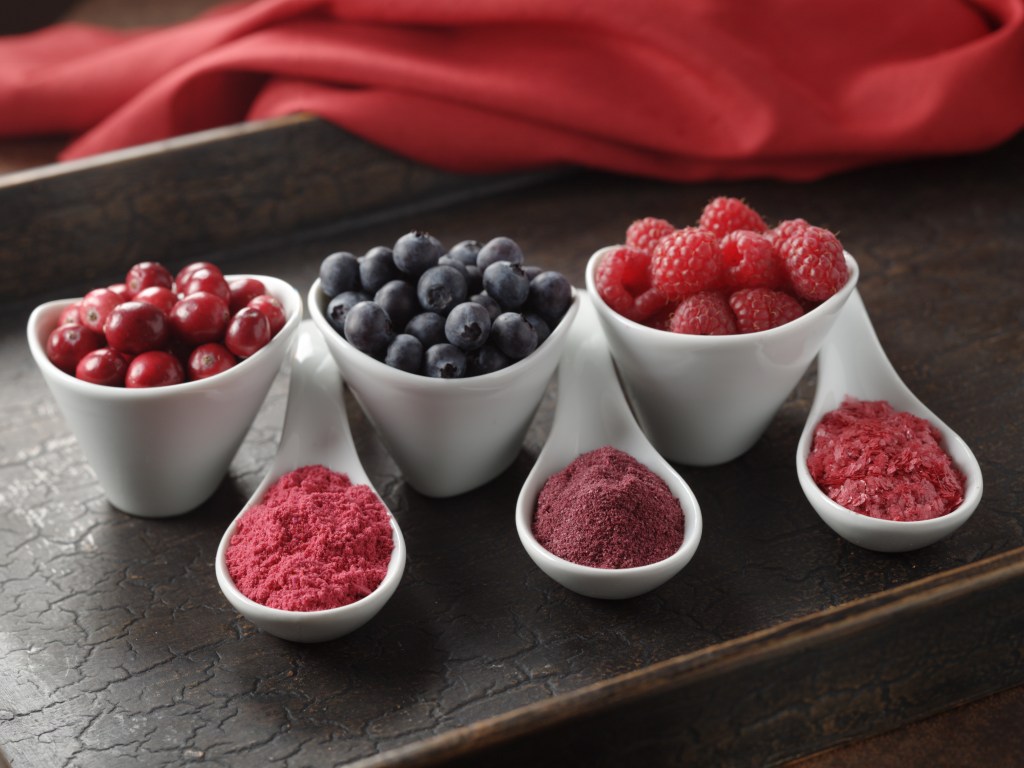
In the world of packaged baked goods, a quiet revolution is underway—one where sweetness no longer comes at the cost of nutrition. More and more brands are turning to fruit-derived ingredients like powders, pastes, and purees as natural alternatives to refined sugar. From date paste-sweetened brownies to blueberry powder-glazed breakfast bars, the shift is redefining how consumers experience indulgence—and how manufacturers develop it.
Why the Switch?
The move away from refined sugar has been gaining momentum for years, driven by a combination of changing consumer preferences, evolving regulations, and a deeper understanding of nutrition’s impact on long-term health. Shoppers are increasingly label-savvy, seeking out ingredients they recognize and avoiding those they don’t. Terms like “no refined sugar” and “naturally sweetened” have become key selling points in the baked goods aisle.
Enter fruit-based sweeteners.
Fruits like dates, bananas, apples, figs, and berries have become functional powerhouses in the baking industry—not just for their sweetness, but for the added fiber, vitamins, antioxidants, and flavor complexity they bring.
The Sweet Trio: Powders, Pastes & Purees
Each format of fruit sweetener brings unique advantages:
- Fruit Powders (e.g., banana, apple, strawberry): Perfect for dry mixes and rubs, powders offer concentrated flavor and a longer shelf life. They’re especially useful in low-moisture baked goods like cookies, snack crisps, and dry muffins.
- Fruit Pastes (e.g., date paste, fig paste): A go-to in energy bars and brownies, fruit pastes add density, chewiness, and deep, rich flavor while delivering natural sweetness and fiber. They also function as a partial fat replacer in some formulations.
- Fruit Purees (e.g., pear, mango, prune): With a high moisture content, purees are ideal for soft-baked goods like muffins, donuts, cakes, quick breads, and pastries. They’re often used in baby food and gluten-free baking due to their binding properties.
Benefits Beyond Sweetness
One of the key advantages of fruit-based sweeteners is their nutrient density. While refined sugar contributes calories and little else, fruit ingredients bring potassium, polyphenols, and naturally occurring fiber to the table.
They also align well with clean label trends. Brands looking to avoid chemical-sounding ingredients can list “banana puree” or “date paste” with confidence, knowing that consumers will perceive them as wholesome and familiar.
Challenges and Considerations
Formulating with fruit ingredients isn’t without its complexities. Natural sugars behave differently than sucrose in terms of browning, binding, and shelf stability. Moisture content, pH, and enzymatic activity must be carefully managed—especially when replacing sugar at a 1:1 ratio isn’t feasible.
Still, advances in processing and food science have made it easier than ever to integrate these ingredients at scale. Ingredient suppliers are offering pre-standardized fruit pastes and spray-dried powders that allow for consistent performance across batches.
The Future of Sweet in Baked Goods
As the better-for-you movement continues to evolve, expect to see more brands embrace fruit-based sweeteners—not just for health reasons, but for the opportunity to craft more flavorful, differentiated products.
The future of sweet isn’t synthetic. It’s natural, nutrient-rich, and rooted in whole foods. For the baked goods industry, that’s a recipe worth exploring.
 World Wide Gourmet Foods