

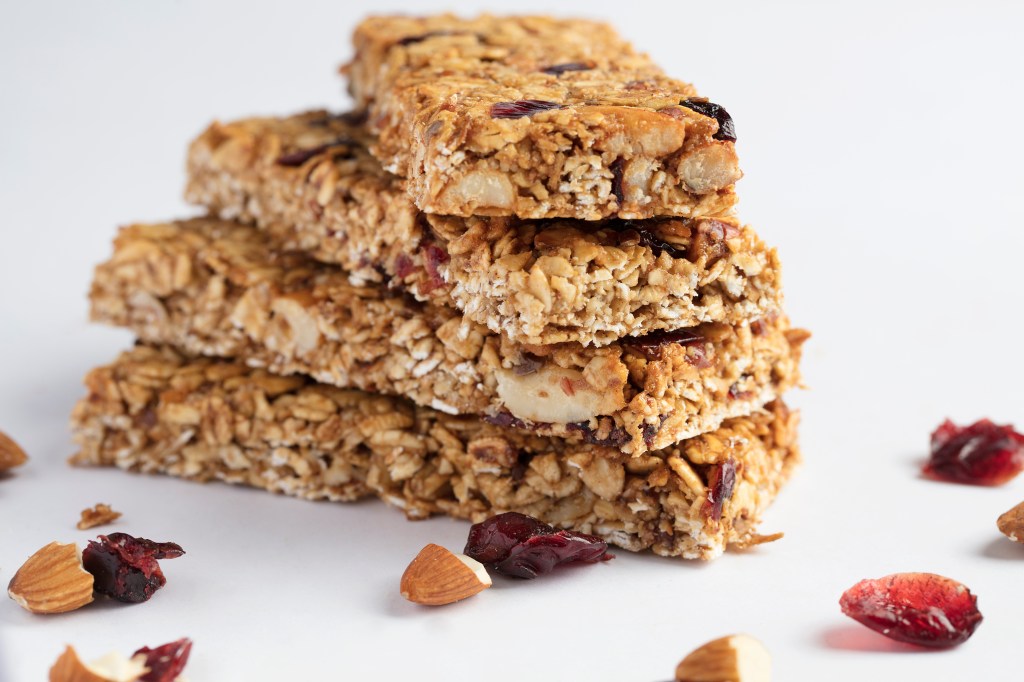
As plant-based and vegan diets continue to gain popularity, the demand for high-quality vegan protein bars and cookies is growing. Creating these products requires careful selection of ingredients to ensure they deliver on taste, texture, and nutrition without the use of animal-derived components. Below, we’ll explore key ingredient options, including protein sources and egg replacers, to help formulate satisfying and protein-rich vegan snacks.
Plant-Based Protein Sources
Protein is the star ingredient in vegan protein bars and cookies, providing the necessary macronutrients for muscle recovery, satiety, and overall nutrition. Here are some of the most popular plant-based protein options:
1. Pea Protein
Pea protein is a complete protein containing all nine essential amino acids. It is widely used in protein bars and cookies due to its mild flavor, good solubility, and ability to provide a chewy texture. It also blends well with other protein sources for a balanced amino acid profile.
2. Brown Rice Protein
Brown rice protein is another staple in vegan formulations. While it is not a complete protein on its own, it can be combined with pea protein to improve its amino acid profile. It provides a slightly grainy texture but works well in dry-mix formulations.
3. Hemp Protein
Hemp protein is rich in omega-3 fatty acids and fiber, making it a great option for protein bars and cookies. It has a slightly earthy flavor, so it’s often blended with other proteins and sweeteners to improve taste.
4. Almond and Peanut Protein
Nut-based proteins, such as almond and peanut protein, offer both plant-based protein and a creamy, rich flavor. They work especially well in protein cookies, where a nutty taste is desirable.
5. Soy Protein
Soy protein is one of the most versatile plant-based proteins, with a high protein content and a complete amino acid profile. It provides a smooth texture and neutral flavor, making it ideal for both protein bars and cookies.
6. Pumpkin Seed Protein
Pumpkin seed protein is becoming more popular due to its mild taste and natural green hue. It contains a good balance of essential amino acids and is a great allergen-friendly alternative to soy and nut-based proteins.
7. Chia and Flax Protein
These seeds provide not only protein but also omega-3 fatty acids and fiber. Chia and flax can also contribute to the binding properties of a formulation, reducing the need for additional stabilizers.
Egg Replacers for Vegan Baking
Eggs typically play a role in providing structure, moisture, and binding in baked goods, so replacing them in vegan protein cookies requires the right substitute. Here are some effective egg replacers:
1. Flaxseed or Chia Seed Egg
A popular plant-based egg replacer is a mix of ground flaxseeds or chia seeds with water. This creates a gel-like consistency that mimics the binding properties of eggs.
- Ratio: 1 tablespoon ground flaxseeds or chia seeds + 3 tablespoons water (let sit for 5-10 minutes)
2. Aquafaba (Chickpea Brine)
Aquafaba, the liquid from canned chickpeas, is an excellent egg white substitute, especially for creating a lighter texture in cookies. It helps with aeration and binding.
- Ratio: 3 tablespoons aquafaba = 1 egg
3. Applesauce
Unsweetened applesauce adds moisture and works well as an egg replacement in cookies. It also brings a mild sweetness, reducing the need for additional sugar.
- Ratio: ¼ cup applesauce = 1 egg
4. Banana
Mashed banana can provide binding and moisture, though it does add a distinct banana flavor. It works best in recipes where a fruity note is welcome.
- Ratio: ½ mashed banana = 1 egg
5. Commercial Egg Replacers
Several brands offer powdered egg replacers made from starches and leavening agents that mimic the structure of eggs. These are convenient and formulated for consistency in baking.
6. Psyllium Husk
Psyllium husk forms a gel when mixed with water, acting as a strong binder. It is often used in gluten-free and high-fiber formulations.
- Ratio: 1 tablespoon psyllium husk + 2.5 tablespoons water = 1 egg
Additional Considerations for Vegan Protein Bars and Cookies
Sweeteners
To keep products plant-based and natural, common sweeteners include:
- Maple syrup – Provides a mild caramel-like sweetness.
- Agave nectar – A low-glycemic option with a neutral flavor.
- Coconut sugar – A less refined alternative to white sugar.
- Dates or date syrup – Adds natural sweetness and binding properties.
Binders
Without eggs, vegan protein bars need strong binders to hold them together. Some of the best options include:
- Nut butters (almond, cashew, peanut)
- Brown rice syrup
- Coconut oil
- Ground flaxseeds or chia seeds
Flavor Enhancers
Since plant-based proteins can sometimes have an earthy or bitter taste, balancing flavors is essential. Consider adding:
- Vanilla extract – Enhances sweetness and aroma.
- Cocoa or cacao powder – Works well in chocolate-flavored protein bars.
- Cinnamon or nutmeg – Adds warmth and depth to cookies.
- Sea salt – Brings out the natural flavors of sweet ingredients.
Final Thoughts
Creating vegan protein bars and cookies involves selecting the right combination of plant-based proteins, egg replacers, and binders to achieve an appealing taste and texture. Whether you’re developing a soft and chewy protein cookie or a dense, high-protein bar, experimenting with different combinations will help you craft a final product that meets both nutritional and flavor expectations.
Are you working on a vegan protein snack? Let us know what ingredients you’re exploring!
 World Wide Gourmet Foods