
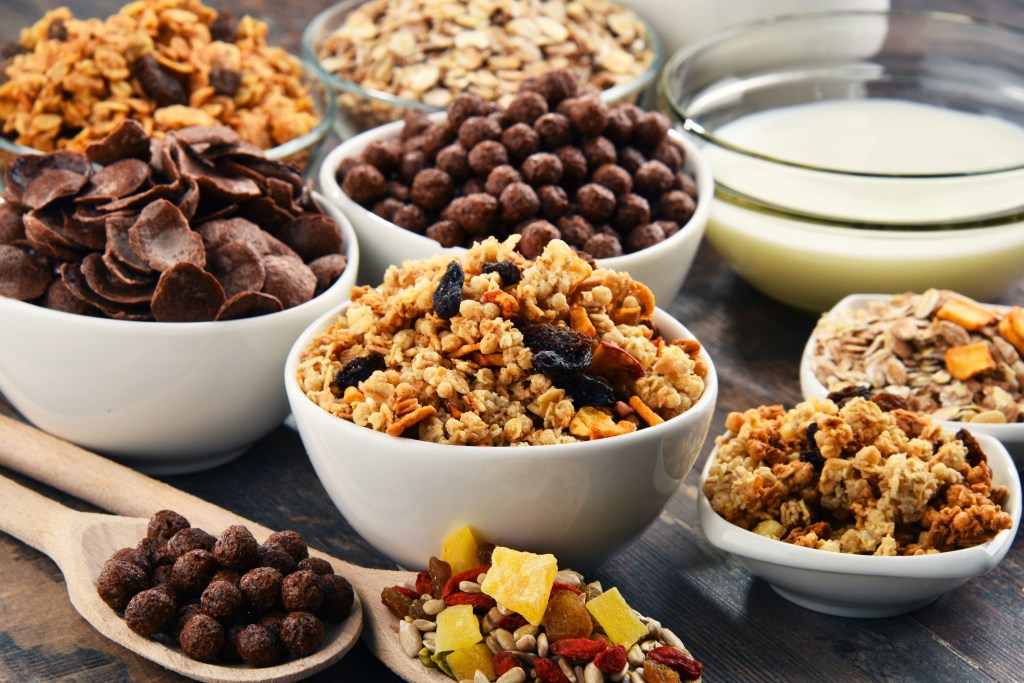
The granola and cereal market is more competitive than ever, with established brands and emerging startups vying for shelf space and consumer attention. As a brand owner, how do you differentiate your product in this saturated space? The key lies in capitalizing on nascent trends, leveraging alternative grains and cereal pieces, and creating a brand story that resonates with today’s health-conscious and adventurous consumers.
1. Identify and Capitalize on Emerging Trends
Staying ahead of the curve requires continuous market research and consumer insights. Some trends that are gaining traction include:
- Functional Ingredients: Consumers are looking for cereals and granolas that go beyond taste and texture, offering health benefits such as gut health support (probiotics, prebiotics, and fiber), immune-boosting ingredients (adaptogens and superfoods), and energy-enhancing components (MCT oil and matcha).
- High-Protein and Low-Carb Options: With the rise of ketogenic and high-protein diets, brands have an opportunity to develop cereals with minimal sugar, higher protein content, and alternative sweeteners like allulose or monk fruit.
- Sustainability and Upcycled Ingredients: Brands incorporating upcycled grains, repurposed fruit powders, or other byproducts from food processing are resonating with eco-conscious consumers.
- Indulgence Meets Health: While many consumers prioritize health, they still crave indulgent flavors. A growing trend is offering ‘better-for-you’ indulgent flavors like cinnamon roll, cookies and cream, or peanut butter cup while maintaining clean, natural ingredients.
2. Innovate with Alternative Grains and Cereal Pieces
Using novel ingredients is an effective way to set your product apart. Instead of the traditional oat-based granola or wheat-based cereal, consider:
- Legume-Based Cereals: Chickpeas, fava beans, and mung beans can be extruded into crunchy, protein-rich cereal pieces.
- Ancient Grains: Sorghum, teff, and amaranth offer a nutrient-dense alternative to wheat and corn while adding unique flavors and textures.
- Grain-Free and Seed-Based Options: Pumpkin seeds, sunflower seeds, and coconut flakes can be used to create grain-free granola for consumers looking to avoid grains entirely.
- Puffed and Crisped Ingredients: Puffed quinoa, crisped rice, or air-dried sweet potatoes can add variety to texture and appearance, creating a unique eating experience.
- Protein Crisps: Milk protein, pea protein, and soy protein crisps can be incorporated to enhance texture while boosting protein content for health-conscious consumers.
3. Differentiate Through Branding and Packaging
A visually striking brand identity combined with clear messaging can make all the difference. Consider:
- Storytelling: Consumers love to connect with the story behind a brand. Whether it’s a family recipe, a focus on regenerative agriculture, or a commitment to functional nutrition, telling your story authentically can help build brand loyalty.
- Transparent Labeling: Highlight key nutritional benefits prominently on your packaging, such as “10g Protein per Serving” or “Zero Added Sugar.”
- Sustainable Packaging: Compostable bags, recyclable pouches, and minimalist designs appeal to eco-conscious shoppers.
4. Build Community Engagement and Loyalty
Beyond the product itself, fostering a sense of community around your brand can keep customers coming back. Ways to do this include:
- Social Media & Influencer Collaborations: Work with health and wellness influencers who align with your brand values to create organic buzz.
- Sampling and Subscription Boxes: Getting your product into the hands of potential customers through subscription services or direct-to-consumer sampling campaigns can generate strong word-of-mouth marketing.
- Retail and E-commerce Optimization: Ensure your product is easily accessible by leveraging a mix of retail partnerships and direct-to-consumer online sales. Consider limited-edition flavors or seasonal drops to create excitement and urgency.
Conclusion
Breaking through in the granola and cereal market requires innovation, strategic marketing, and a deep understanding of evolving consumer preferences. By embracing alternative grains, leveraging emerging health and sustainability trends, and fostering a loyal customer base through branding and engagement, you can carve out a distinct place for your brand in this competitive space. The brands that thrive are those willing to push boundaries while staying true to their unique identity and mission.
 World Wide Gourmet Foods