

The food packaging industry is evolving rapidly, driven by changing consumer preferences, regulatory pressures, and technological advancements. In 2025, brands are focusing on sustainability, smart packaging, and transparency to meet the growing demands of both consumers and retailers.
This year, stand-up pouches, pillow bags, folding cartons, and individually wrapped products are being redefined by emerging trends such as smart packaging, minimalist design, and eco-conscious solutions. Let’s explore how each trend is shaping these packaging formats, along with how they might impact packaging costs.
Smart Packaging and IoT Integration
How It Affects Food Packaging Formats:
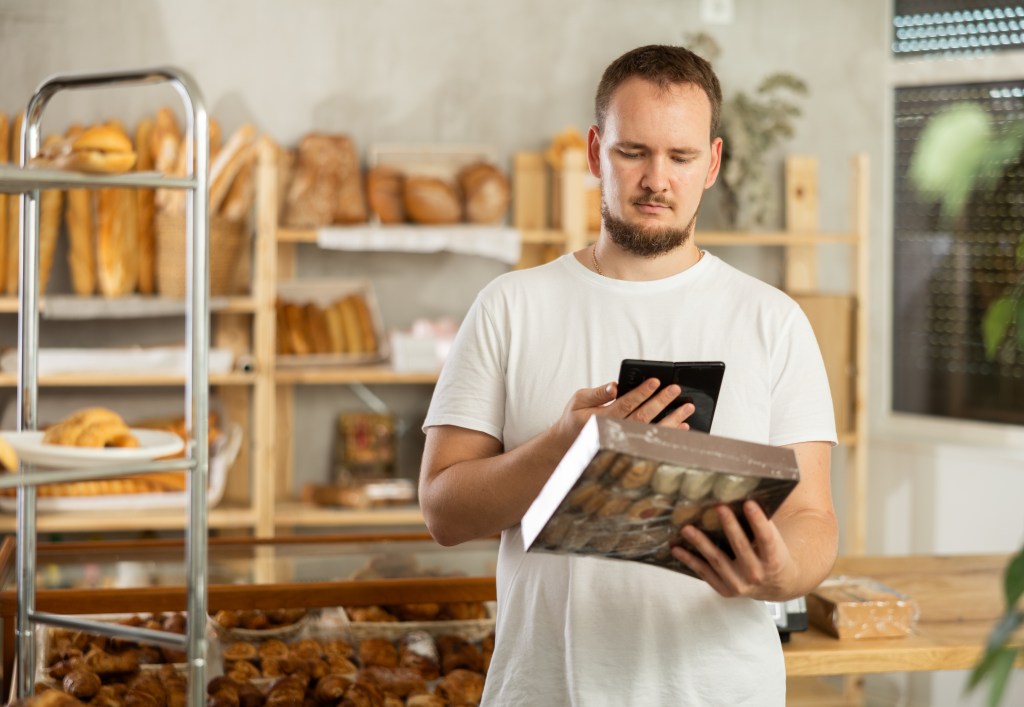
Smart packaging, equipped with QR codes, NFC chips, and IoT-enabled sensors, is revolutionizing how consumers interact with food products. By scanning a package, shoppers can instantly access ingredient sourcing, freshness status, and sustainability credentials.
- Stand-Up Pouches: QR codes and IoT-enabled freshness tracking are becoming common, adding slight costs but improving consumer engagement.
- Pillow Bags: IoT-enabled freshness indicators can increase costs but reduce food waste, making it a long-term cost-saving strategy.
- Folding Cartons: Augmented reality (AR) printing can add to upfront costs but create a premium brand experience.
- Individually Wrapped Products: Smart labels and authentication tracking will add incremental costs, but they improve consumer trust and brand security.
Cost Impact:
- Higher upfront costs due to technology integration (QR codes, NFC chips, sensors).
- Potential long-term savings from reduced waste and improved inventory management.
- Premium pricing opportunity for brands leveraging smart features.
Minimalist and Transparent Design (“Clean Label” Packaging)
How It Affects Food Packaging Formats:
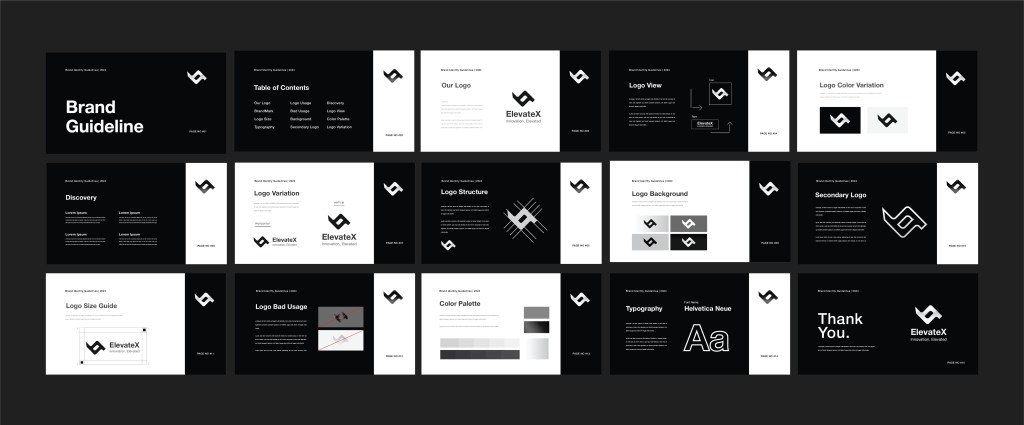
Today’s consumers value simplicity, honesty, and clarity. Packaging designs in 2025 are shifting towards clear, simple labels with fewer colors, matte finishes, and plastic-free windows that showcase the actual product inside.
- Stand-Up Pouches: Plastic-free windows and simplified printing can lower production costs but may require more expensive sustainable films.
- Pillow Bags: Moving to monochrome designs and fewer materials can reduce printing and ink costs.
- Folding Cartons: Textured, embossed, and minimalist designs reduce ink costs but may increase die-cutting and finishing costs.
- Individually Wrapped Products: Switching to transparent, bio-based wrappers can be more expensive than traditional plastics.
Cost Impact:
- Lower costs for simpler printing and reduced ink use.
- Potentially higher costs for sustainable transparent films and premium finishes.
- Long-term savings from streamlined manufacturing and consumer preference for clean-label products.
Personalized and Customizable Packaging
How It Affects Food Packaging Formats:
Personalization is taking center stage in 2025, with brands leveraging variable printing, AI-driven customization, and direct-to-consumer packaging to create unique consumer experiences.
- Stand-Up Pouches: Personalized printing may add costs, but digital printing advancements are making it more affordable.
- Pillow Bags: Seasonal and small-batch variations increase per-unit costs but enhance brand exclusivity.
- Folding Cartons: Short-run customized printing can be more expensive but helps boost consumer engagement.
- Individually Wrapped Products: AI-driven custom packaging can add a premium price tag but creates higher perceived value.
Cost Impact:
- Higher printing costs for personalized designs and batch variations.
- More expensive per-unit costs for small-batch customization.
- Potential for higher product pricing due to perceived exclusivity.
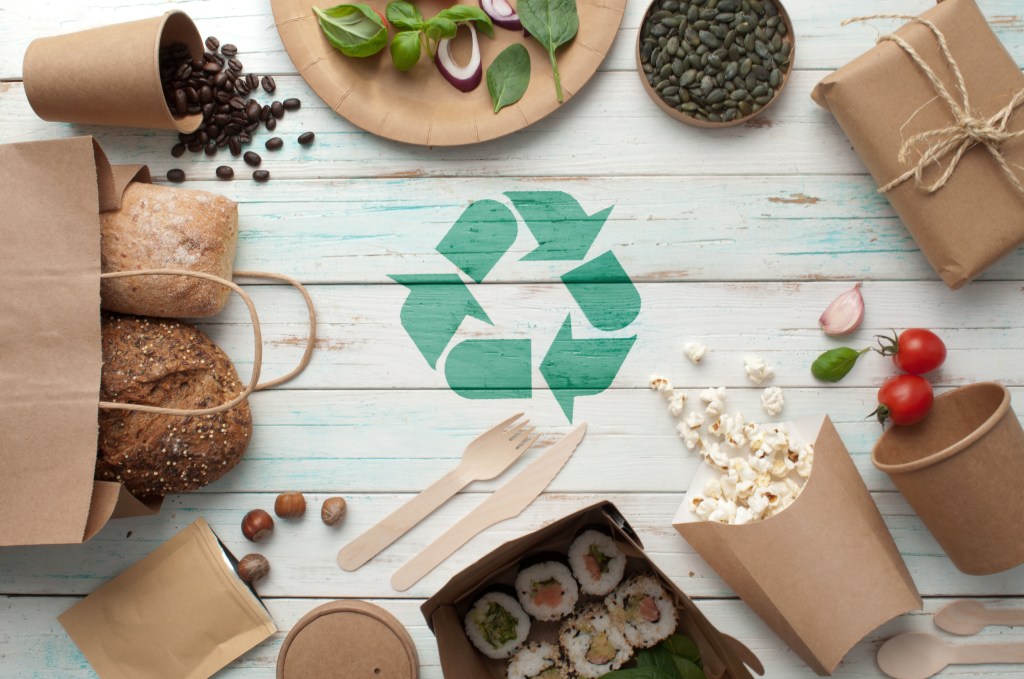
Eco-Conscious Single-Serve Packaging
How It Affects Food Packaging Formats:
Single-serve packaging has historically been criticized for excessive waste, but in 2025, brands are revolutionizing individual portions with sustainable materials, lightweight designs, and compostable films.
- Stand-Up Pouches: Compostable and monomaterial pouches are more expensive than traditional plastics, but costs are decreasing as demand increases.
- Pillow Bags: Moving to recyclable or bio-based pillow bags can increase material costs by 10-20%.
- Folding Cartons: Refillable and reusable cartons have higher upfront costs but reduce overall packaging waste.
- Individually Wrapped Products: Compostable films and plant-based wrappers are typically 25-40% more expensive than plastic alternatives.
Cost Impact:
- Higher costs for bio-based and compostable materials.
- Increased investment in material innovation could lower long-term costs.
- Potential regulatory incentives for sustainable packaging may offset some costs.
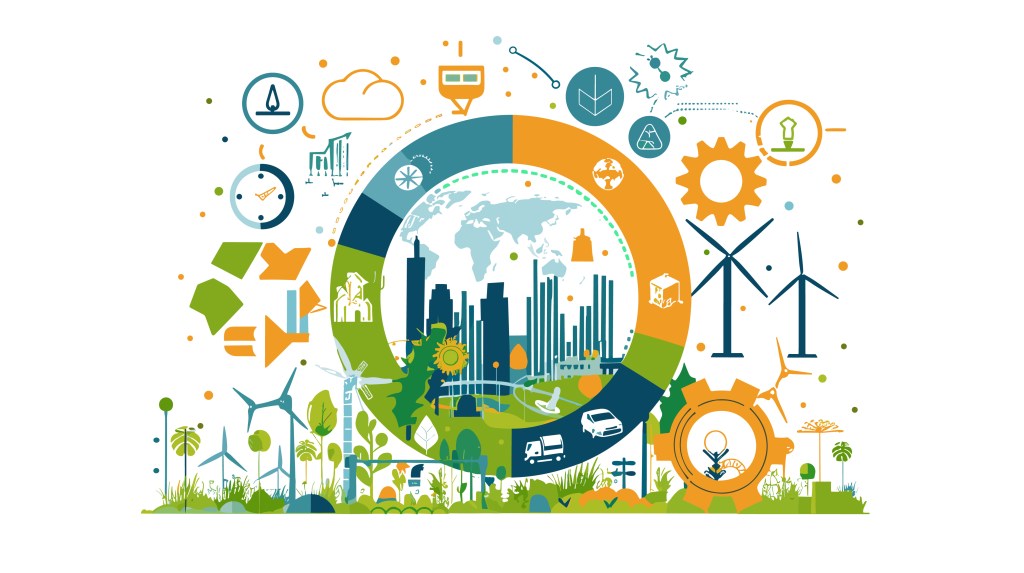
Circular Packaging & Life Cycle Assessments (LCA)
How It Affects Food Packaging Formats:
In 2025, brands are focusing on closed-loop packaging systems, where materials are either fully recyclable, reusable, or biodegradable. Many are using life cycle assessments (LCA) to track the environmental impact of their packaging.
- Stand-Up Pouches: Recyclable monomaterial films are more expensive but reduce landfill waste.
- Pillow Bags: Shifting to biodegradable or recyclable materials can add 5-15% to packaging costs.
- Folding Cartons: Using FSC-certified or post-consumer recycled (PCR) materials increases material costs but appeals to eco-conscious consumers.
- Individually Wrapped Products: Compostable or edible films are a premium cost investment but reduce plastic waste concerns.
Cost Impact:
- Higher material costs for fully recyclable, biodegradable, or circular packaging solutions.
- Regulatory compliance costs (e.g., EU plastic bans, U.S. extended producer responsibility laws).
- Potential savings from tax breaks and brand loyalty due to eco-conscious efforts.
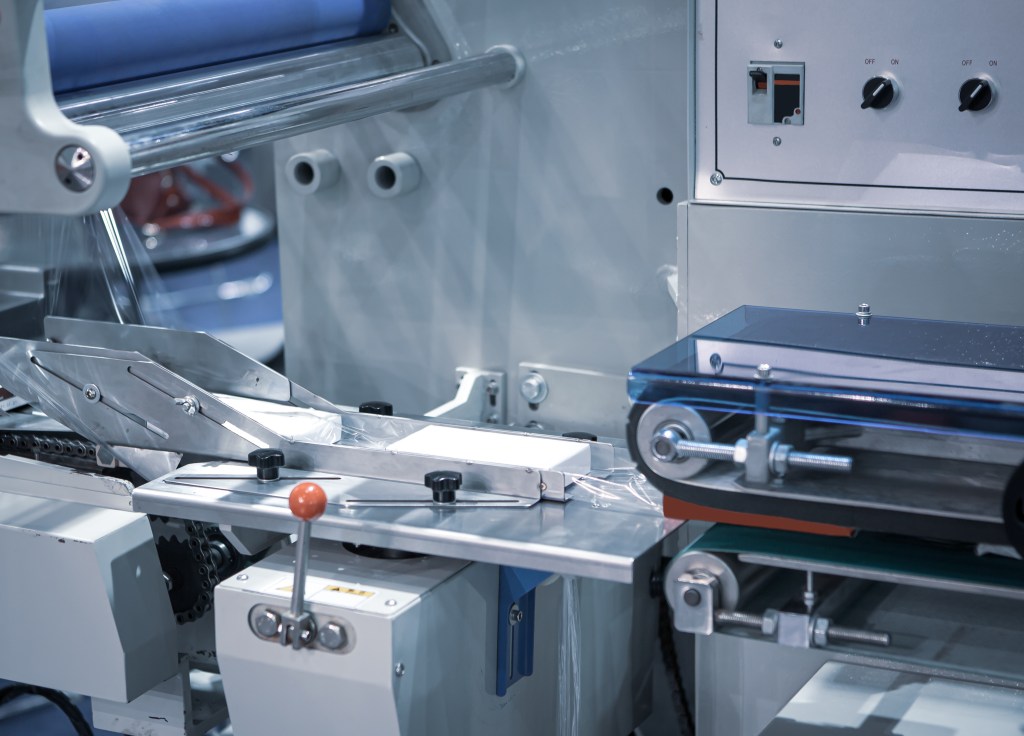
Automation and AI in Packaging
How It Affects Food Packaging Formats:
Automation and AI-driven systems are revolutionizing efficiency in food packaging, from robotic assembly lines to AI-optimized packaging designs.
- Stand-Up Pouches: AI-driven material optimization reduces waste, improving cost efficiency.
- Pillow Bags: Automated form-fill-seal lines increase production speeds while reducing labor costs.
- Folding Cartons: AI-assisted packaging design reduces material waste and improves recyclability.
- Individually Wrapped Products: Smart automated portioning lowers packaging errors and improves consistency.
Cost Impact:
- High upfront investment in AI and automation technology.
- Long-term cost savings from reduced material waste and labor costs.
- Increased production efficiency, leading to faster time-to-market.
Final Thoughts: Balancing Cost and Innovation in Food Packaging
While these 2025 trends are driving innovation, they also bring cost implications. Brands must carefully balance investment in sustainability, smart technology, and automation with cost-effective solutions that align with their pricing strategy.
Key Takeaways:
✅ Smart packaging adds upfront costs but offers long-term benefits in consumer engagement.
✅ Minimalist designs reduce ink costs but may require premium sustainable materials.
✅ Personalized packaging increases printing costs but boosts brand loyalty.
✅ Eco-conscious single-serve packaging is more expensive but meets regulatory and consumer demands.
✅ Circular packaging has higher material costs but potential tax incentives.
✅ Automation and AI require upfront investment but significantly reduce labor costs.
As brands navigate these trends, strategic investment in packaging innovation will be key to staying competitive in 2025 and beyond.
 World Wide Gourmet Foods