In the food industry, safety is paramount. Ensuring that products are safe for consumption is not just a regulatory requirement but also a key factor in maintaining consumer trust. One of the critical components of food safety is the audit process, which serves to verify that food manufacturers are adhering to established safety protocols. However, not all food safety audits are created equal. There are different levels and types of audits, each serving a specific purpose and offering varying degrees of scrutiny.
1. First-Party Audits (Internal Audits)
First-party audits, also known as internal audits, are conducted by the food manufacturer’s own team. These audits are typically used as a self-assessment tool to ensure that the company’s food safety management system is operating as intended. Internal audits are often the first line of defense in identifying and correcting potential safety issues before they become significant problems.
- Purpose: To ensure internal compliance with the company’s own food safety policies and procedures.
- Frequency: Regularly scheduled, often quarterly or bi-annually, depending on the company’s policies.
- Scope: Can vary widely, from reviewing documentation and records to inspecting facilities and equipment.
2. Second-Party Audits (Supplier Audits)
Second-party audits are conducted by a company on its suppliers or contractors. For food manufacturers, ensuring that suppliers are meeting safety standards is crucial since the safety of the end product is dependent on the quality and safety of the ingredients or components supplied. These audits help manufacturers manage risk within their supply chain.
- Purpose: To verify that suppliers adhere to specific food safety requirements and standards set by the manufacturer.
- Frequency: Typically conducted annually, but may be more frequent based on risk assessment.
- Scope: Includes assessment of the supplier’s facilities, processes, and records, focusing on areas critical to product safety.
3. Third-Party Audits (External Audits)
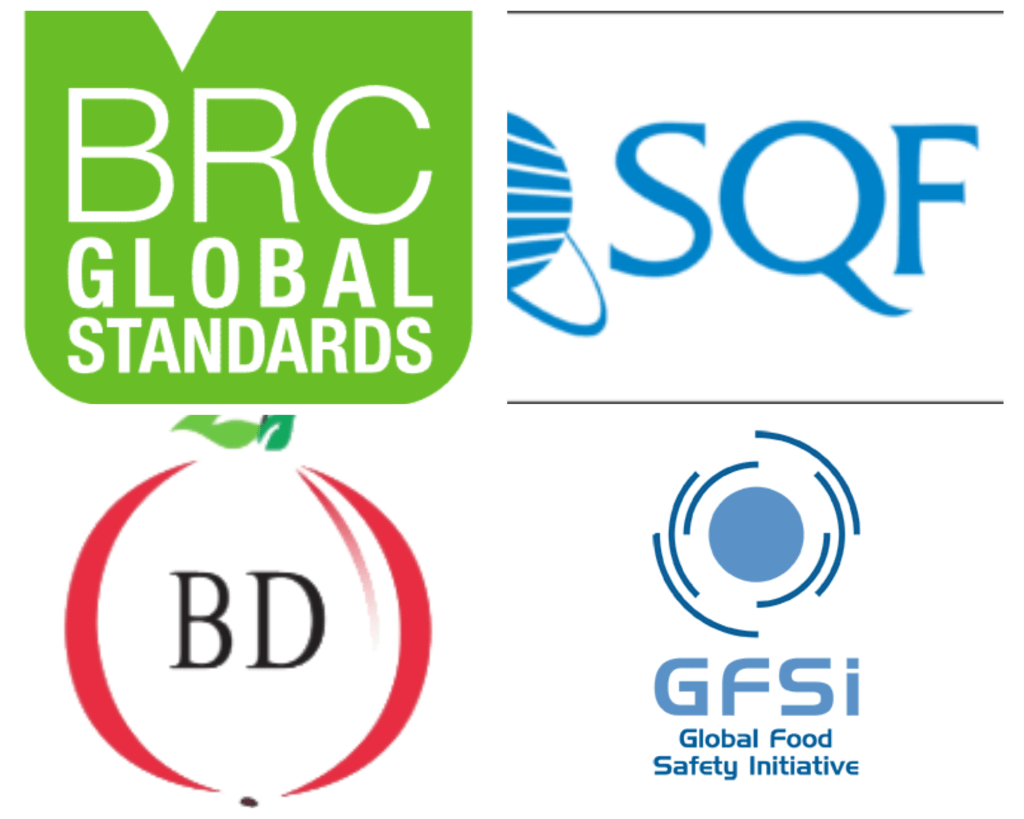
Third-party audits are conducted by independent organizations or certification bodies. These audits provide an objective assessment of a company’s food safety management system and
are often required for certification under various food safety standards such as Global Food Safety Initiative (GFSI) recognized schemes like SQF, BRC, or FSSC 22000. Third-party audits carry significant weight as they are recognized by regulators, retailers, and consumers alike.
- Purpose: To provide an independent evaluation of a food safety management system and often required for certification.
- Frequency: Usually conducted annually, but the frequency may increase if a company has a history of non-compliance.
- Scope: Extensive, covering all aspects of food safety management, from facility conditions to staff training and record-keeping.
4. Regulatory Audits
Regulatory audits are conducted by government agencies to ensure compliance with food safety laws and regulations. In the United States, for example, these audits might be conducted by the Food and Drug Administration (FDA) or the United States Department of Agriculture (USDA). Failure to comply with regulatory requirements can result in severe consequences, including fines, recalls, or even the closure of facilities.
- Purpose: To ensure compliance with legal requirements and food safety regulations.
- Frequency: Can be unannounced or scheduled, depending on the agency and the company’s compliance history.
- Scope: Comprehensive, focusing on adherence to food safety laws, regulations, and standards.
5. Customer Audits
Customer audits are conducted by companies that purchase products from the food manufacturer. These audits ensure that the manufacturer meets the specific requirements and standards of the customer. For example, a retailer might conduct an audit to ensure that the food products they sell meet their quality and safety expectations.
- Purpose: To ensure that the manufacturer’s products meet the customer’s specific safety and quality requirements.
- Frequency: Typically conducted before entering into a supplier agreement, and periodically thereafter.
- Scope: Focuses on areas of concern for the customer, which might include product testing, labeling, and traceability.
Conclusion
Each level of food safety audit plays a crucial role in ensuring that food products are safe for consumers. Internal and supplier audits help companies maintain control over their processes, while third-party and regulatory audits provide external validation of a company’s food safety management system. Customer audits, meanwhile, ensure that specific client requirements are met. Understanding these different levels and their purposes is essential for any food manufacturer committed to maintaining the highest standards of food safety.
 World Wide Gourmet Foods