

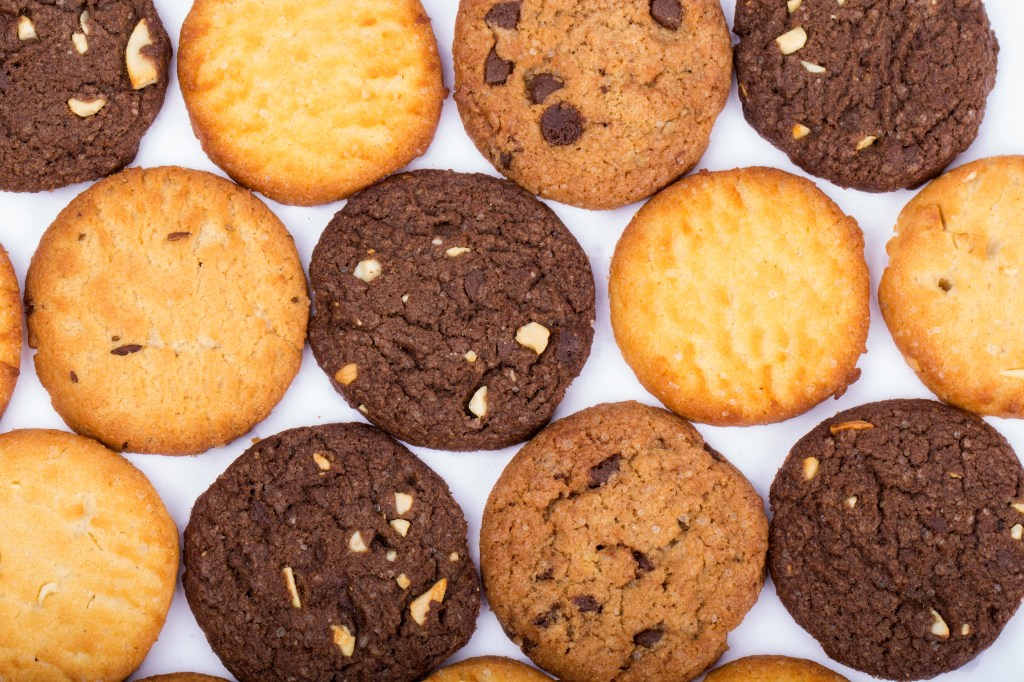
In the competitive world of consumer packaged goods, constant innovation is key to staying ahead. Creating iterations of existing products not only keeps the lineup fresh but also caters to evolving consumer tastes and preferences. Here’s a comprehensive guide on how to successfully develop iterations of commercial baked goods and confections.

Understanding the Market and Consumer Trends
Market Research: Begin with thorough market research to identify trends and consumer preferences. Look into industry reports, consumer surveys, and sales data to understand what flavors, ingredients, and types of products are in demand.
Customer Feedback: Engage with your existing customers through surveys, social media, and feedback forms. Understanding their likes and dislikes will provide valuable insights into potential product iterations.
Competitive Analysis: Study your competitors to see what new products they are launching. This can offer inspiration and highlight market gaps that you can fill with innovative iterations.

Ideation and Concept Development
Brainstorming Sessions: Organize brainstorming sessions with your team to generate ideas for new product iterations. Encourage creativity and out-of-the-box thinking.
Flavor Experiments: Experiment with different flavor combinations and ingredients. Consider seasonal and regional flavors to create a unique selling proposition.
Ingredient Substitutions: Look at ways to substitute or add ingredients to your existing products. For example, introducing gluten-free, vegan, or organic versions can attract health-conscious consumers.

Prototyping and Testing
Small Batch Production: Use small batch production to create prototypes of your new product iterations. This allows for flexibility and cost-effectiveness in testing different variations.
Sensory Testing: Conduct sensory testing with a focus group to gather feedback on taste, texture, appearance, and overall appeal. This step is crucial for fine-tuning the product.
Iterative Refinement: Based on feedback, refine your prototypes. This iterative process may involve multiple rounds of testing and adjustments to achieve the desired quality.

Scaling Up Production
Equipment and Technology: Ensure that your production equipment can handle the new iterations. Equipment like the Vemag Dough Extruder, Hinds-Bock Depositor, and Selmi Enrobing Line can be adapted to create consistent and high-quality products.
Recipe Standardization: Once the prototype is finalized, standardize the recipe and production process. This ensures consistency and quality in every batch.
Quality Control: Implement rigorous quality control measures to maintain the standards of your new product iterations. Regular checks and balances are essential to avoid deviations.
Packaging and Presentation
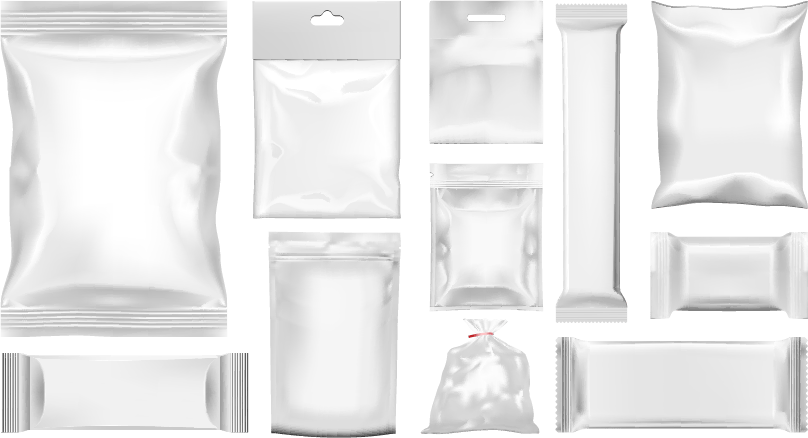
Innovative Packaging: Consider innovative packaging solutions to enhance the appeal of your new product iterations. Use options like the Syntegon Horizontal Flow Wrapper for individual packaging, Matrix Vertical Form Fill Sealer for pillow bags, and Yilong Pouch Bagger for stand-up pouches.
Sustainability: Explore sustainable packaging materials to attract environmentally conscious consumers.
Visual Appeal: Invest in attractive packaging designs that highlight the unique features of your product iterations. Eye-catching designs can significantly impact consumer buying decisions.

Marketing and Launch
Strategic Launch: Plan a strategic launch for your new product iterations. Use a combination of online and offline marketing channels to create buzz and drive sales.
Sampling Programs: Offer samples of your new products to gather consumer feedback and build excitement. Sampling can be done in-store, at events, or through online promotions.
Social Media Campaigns: Leverage social media platforms to showcase your new iterations. Use engaging content, influencer collaborations, and targeted ads to reach a wider audience.
Retail Partnerships: Collaborate with retail partners to feature your new products prominently. In-store promotions and end-cap displays can boost visibility and sales.

Continuous Improvement
Monitor Sales Performance: Keep a close watch on the sales performance of your new iterations. Analyze the data to identify trends and areas for improvement.
Adapt to Feedback: Be open to feedback from consumers and retailers. Use this feedback to make necessary adjustments and improve your products.
Innovate Regularly: Stay committed to innovation by regularly introducing new iterations and staying ahead of market trends. This continuous improvement approach ensures your product lineup remains relevant and competitive.
Conclusion
Creating iterations of commercial baked goods and confections is a dynamic process that requires a blend of creativity, market insight, and meticulous execution. By understanding consumer preferences, experimenting with flavors, ensuring quality, and strategically launching new products, bakeries and confectioners can successfully innovate and thrive in a competitive market. Embrace the process of iteration to delight your customers and drive growth for your business.
 World Wide Gourmet Foods