
The baked goods and confections market is vast and diverse, offering numerous sales channels to reach a wide audience. Understanding the advantages and disadvantages of each channel can help businesses optimize their strategies and maximize sales. Here’s a breakdown of the primary sales channels and tips on how to succeed in each.
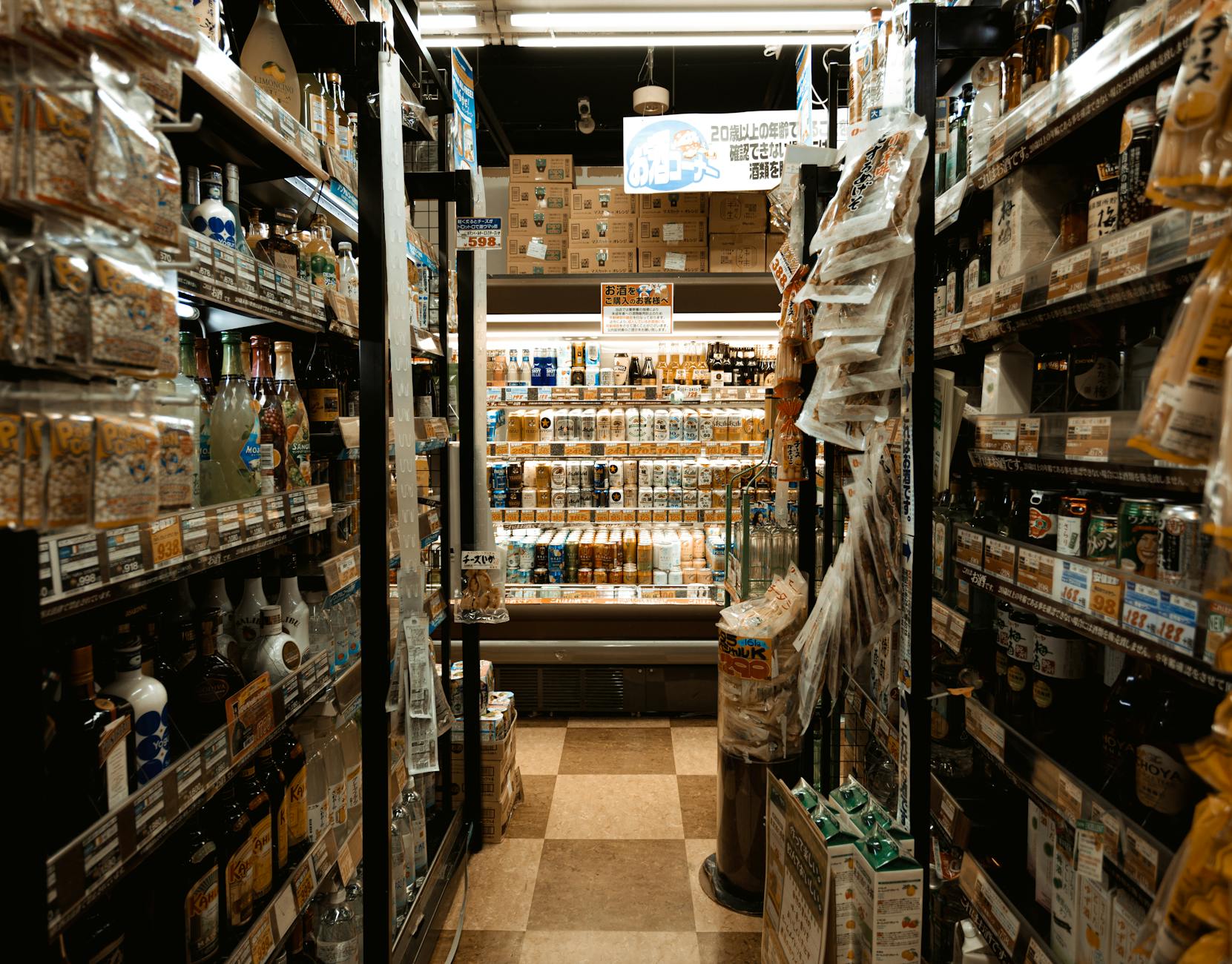
1. Retail Stores
Retail stores, including supermarkets, specialty stores, and gourmet shops, are traditional and highly effective channels for baked goods and confections.
Opportunities:
- High Visibility: Products are exposed to a large number of potential customers.
- Impulse Purchases: Shoppers often make impulse buys when they see appealing baked goods and confections.
- Brand Recognition: Being on the shelves of well-known stores can enhance brand credibility.
Challenges:
- High Competition: Shelf space is competitive, and standing out among numerous brands can be challenging.
- Margins: Retailers will put pressure on brand owners to reduce prices to be more in line with products already on shelf, either through promotions or everyday low prices, affecting profit margins.
- Inventory Management: Managing production runs to keep up with retailer stock levels and ensuring that retailers get product that has their minimum shelf-life requirement can be logistically complex.
Maximizing Sales Tips:
- Packaging: Invest in attractive and functional packaging that catches the eye and keeps products fresh.
- Promotions: Utilize in-store promotions, discounts, and sampling to attract attention.
- Relationships: Build strong relationships with store managers and buyers to secure prime shelf space.
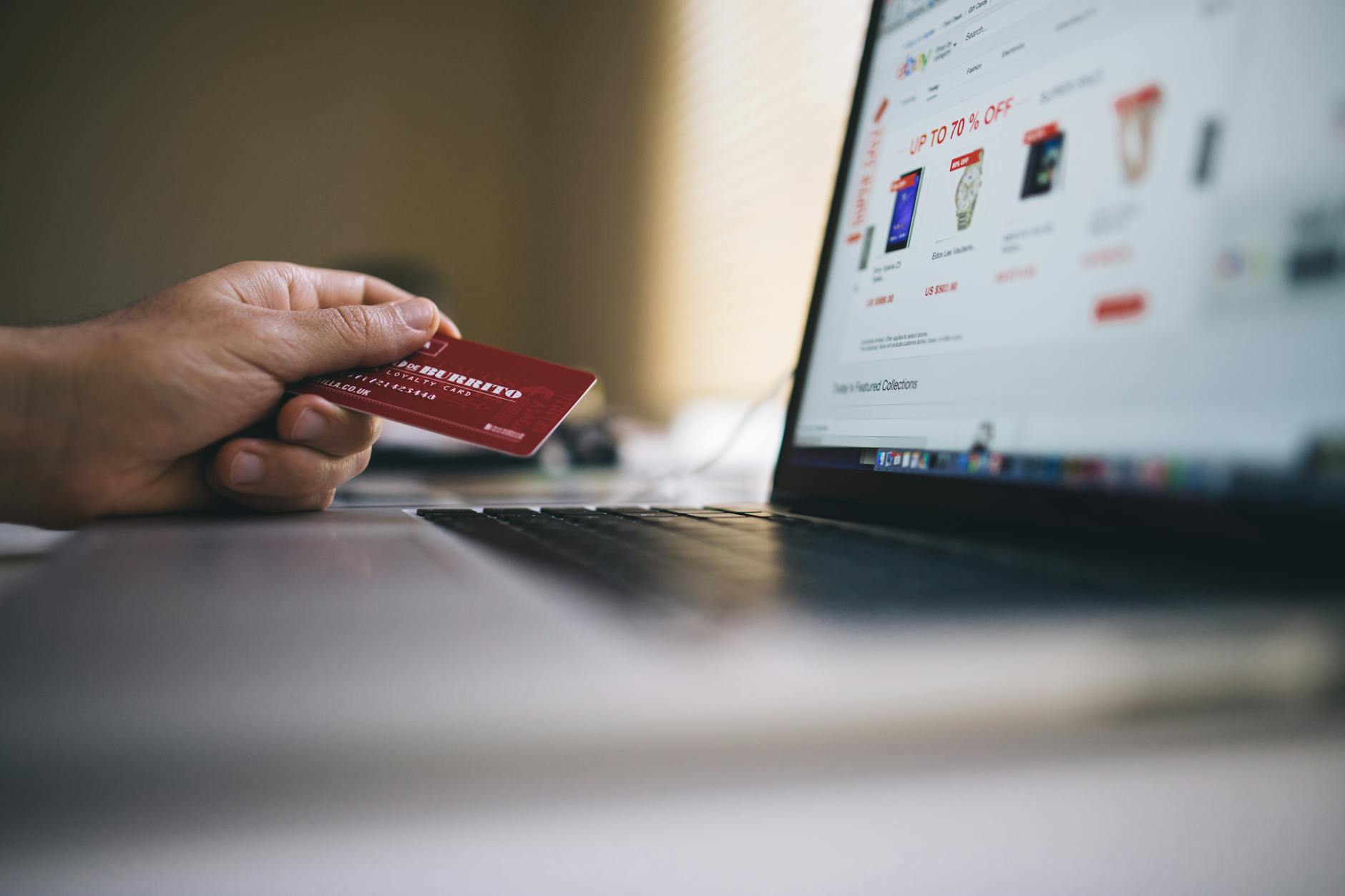
2. Online Stores
The rise of e-commerce has opened up vast opportunities for selling baked goods and confections online through platforms like Amazon, Etsy, and proprietary websites.
Opportunities:
- Broader Reach: Access to a global customer base.
- Convenience: Customers can shop anytime, leading to potentially higher sales.
- Lower Overheads: Reduced need for physical space and associated costs.
Challenges:
- Shipping Challenges: Maintaining product quality during shipping can be difficult, particularly for perishable items.
- Returns and Refunds: Managing returns and refunds can be complex and costly.
- Online Competition: The market is saturated, and standing out requires a strong digital presence.
Maximizing Sales Tips:
- SEO and Marketing: Invest in SEO, social media marketing, and pay-per-click ads to drive traffic to your site.
- Customer Reviews: Encourage satisfied customers to leave positive reviews and ratings.
- Subscription Models: Offer subscription services for regular delivery of favorite products to increase customer retention.
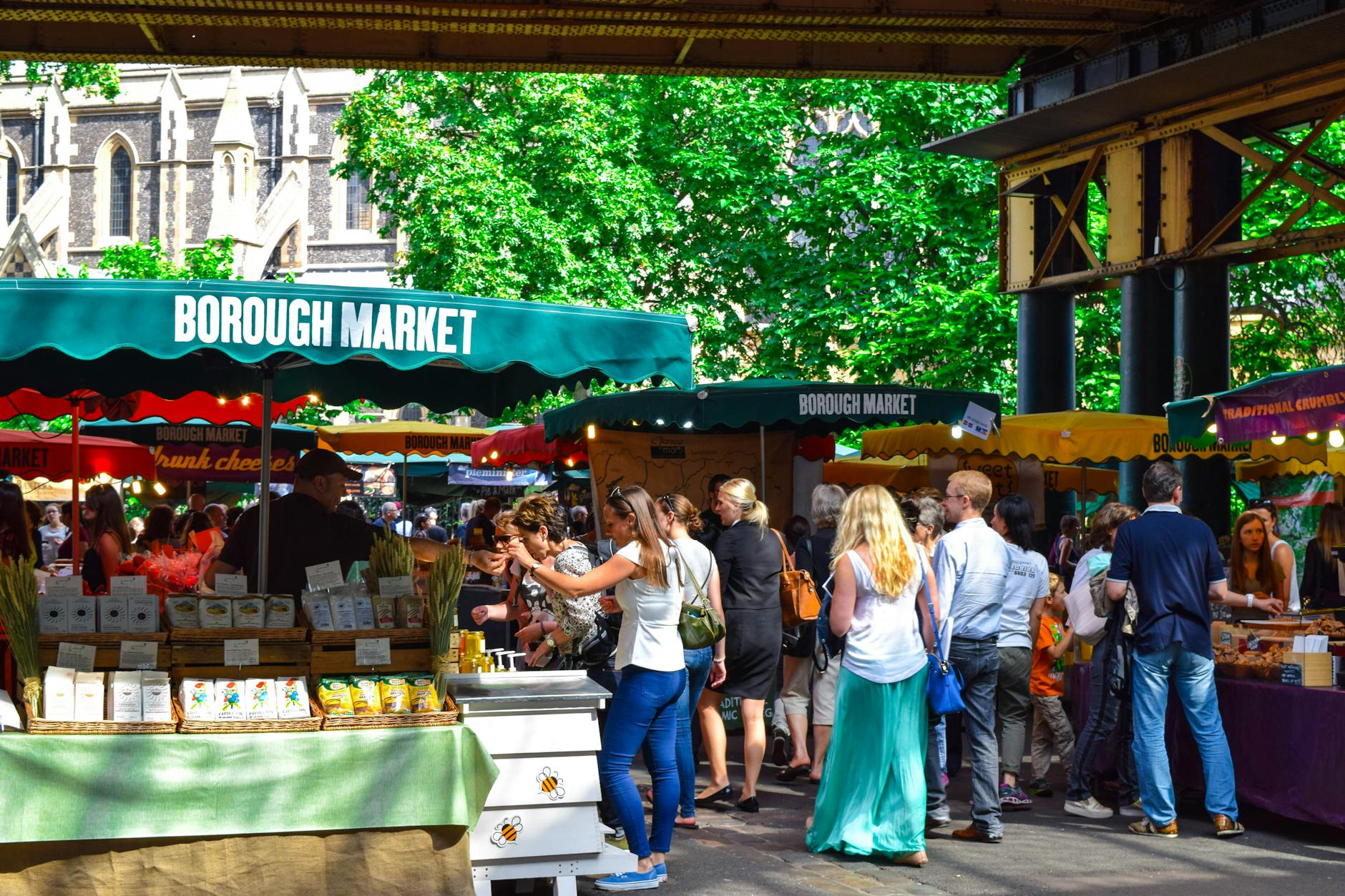
3. Farmers Markets and Local Events
Selling at farmers markets, fairs, and local events allows businesses to engage directly with customers.
Opportunities:
- Direct Interaction: Personal interaction helps build customer relationships and gather immediate feedback.
- Local Appeal: Supports local sourcing trends and community engagement.
- Low Entry Barriers: Often lower costs and simpler setup compared to retail stores.
Challenges:
- Limited Reach: Restricted to local customers and specific event timings.
- Weather Dependent: Outdoor events can be affected by weather conditions.
- Inventory Risks: Risk of unsold inventory at the end of the day.
Maximizing Sales Tips:
- Sampling: Offer samples to attract customers and encourage purchases.
- Storytelling: Share your brand story to create a personal connection with customers.
- Special Deals: Provide event-specific discounts or promotions to incentivize purchases.
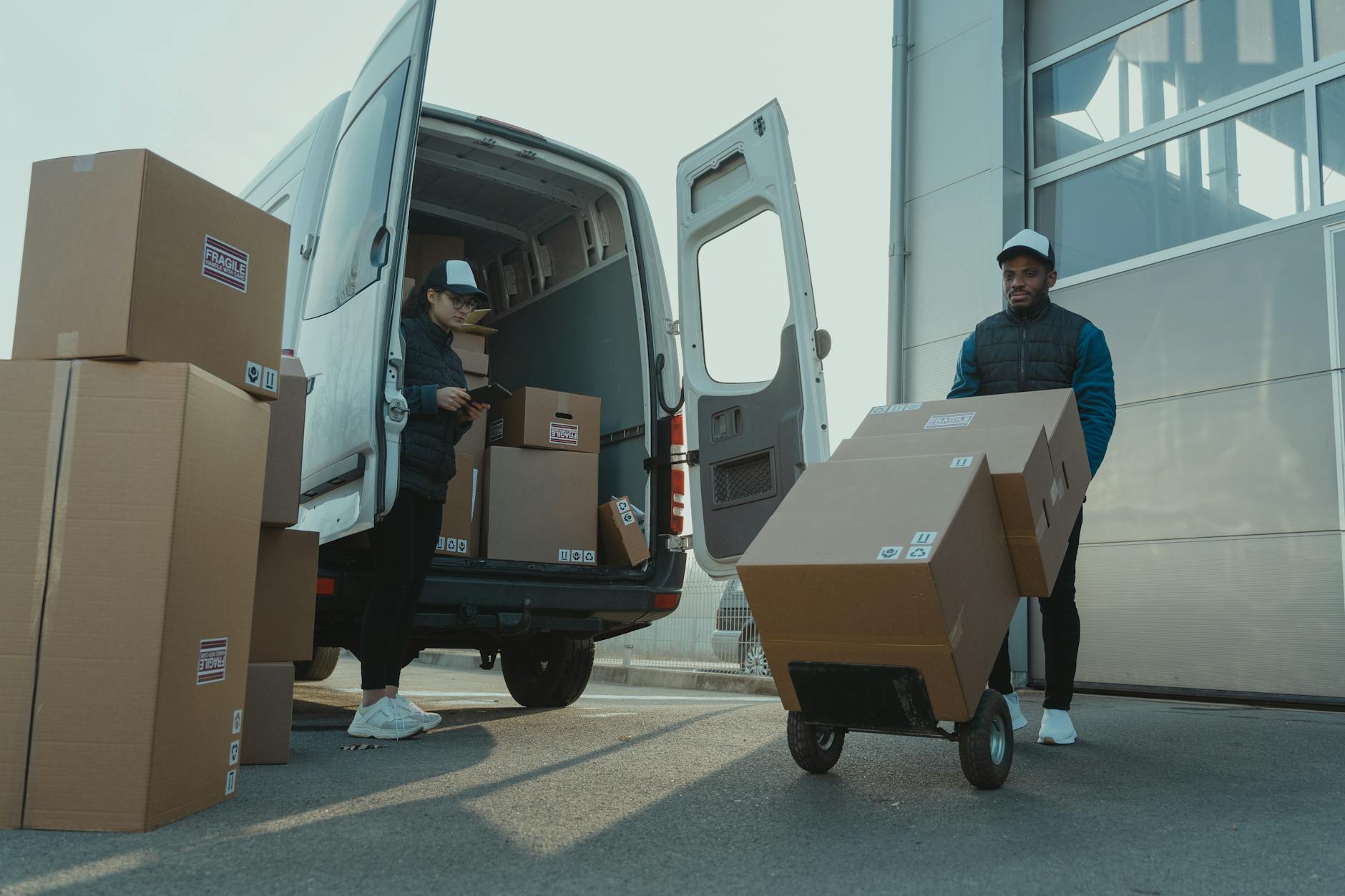
4. Wholesale to Restaurants and Cafes
Supplying baked goods and confections to restaurants, cafes, and coffee shops is another viable channel.
Opportunities:
- Regular Orders: Potential for consistent, bulk orders.
- Brand Exposure: Products are showcased to a diverse customer base.
- Partnership Opportunities: Collaboration with eateries can lead to co-branding and special promotions.
Challenges:
- Mercurial Clients: Revenue can be significantly impacted if major clients shift their menu and move to a different product.
- Negotiation: Pricing and terms negotiations can be lengthy and complex.
- Quality Control: Ensuring product consistency and quality in bulk packaging can be challenging.
Maximizing Sales Tips:
- Customized Offerings: Provide customized or exclusive products for different clients.
- Flexible Terms: Offer flexible payment and delivery terms to attract and retain clients.
- Regular Check-ins: Maintain regular communication with clients to address any issues promptly.
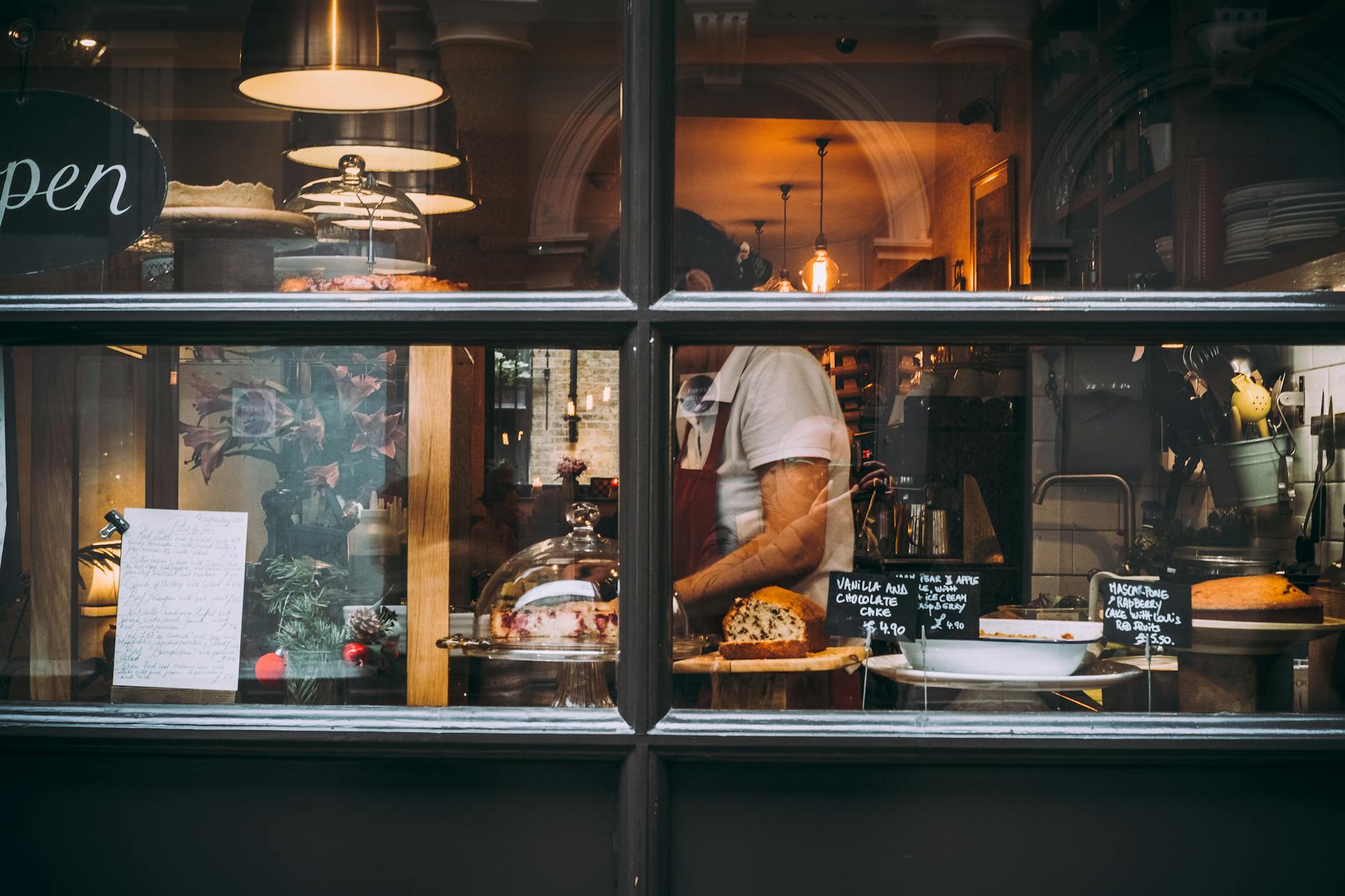
5. Direct-to-Consumer (DTC)
Selling directly to consumers through company-owned stores or pop-up shops offers control over the brand experience.
Opportunities:
- Brand Control: Full control over the brand narrative and customer experience.
- Higher Margins: No middlemen, leading to better profit margins.
- Customer Loyalty: Opportunities to build strong, loyal customer relationships.
Challenges:
- Higher Costs: Higher upfront costs for setup and maintenance.
- Limited Reach: Geographically limited unless combined with an online presence.
- Marketing Efforts: Requires significant marketing efforts to drive traffic and sales.
Maximizing Sales Tips:
- Unique Experience: Create a unique in-store experience that encourages repeat visits.
- Loyalty Programs: Implement loyalty programs to reward repeat customers.
- Cross-Promotion: Use the physical store to promote your online store and vice versa.
Conclusion
Each sales channel for baked goods and confections has its unique advantages and challenges. By understanding these dynamics and implementing targeted strategies, businesses can maximize their reach, optimize sales, and build a loyal customer base. Combining multiple channels often yields the best results, leveraging the strengths of each to create a robust and resilient sales network.
 World Wide Gourmet Foods