

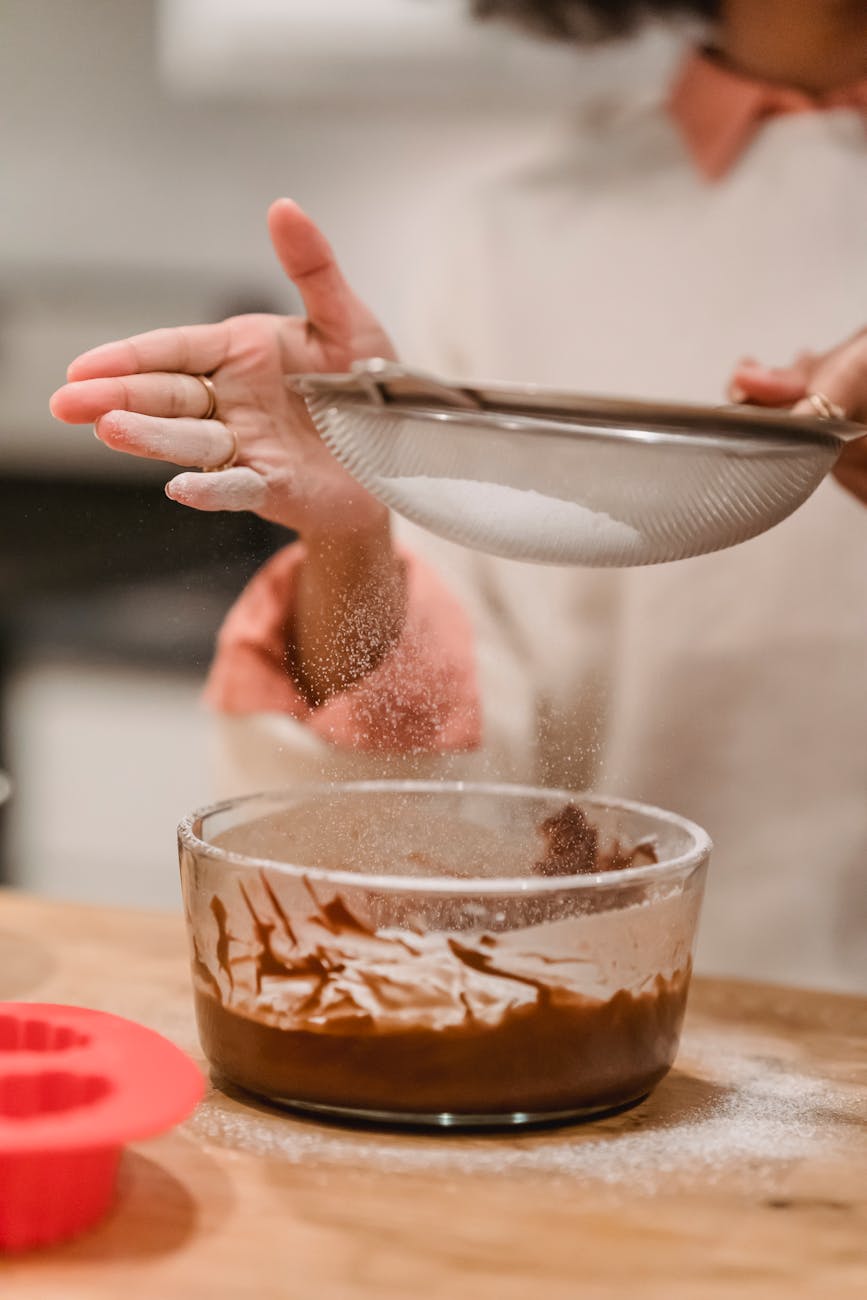
Turning a beloved family recipe into a commercial product is an exciting venture that can bring great rewards. However, the journey from your kitchen to store shelves requires careful planning and execution. Here’s a comprehensive guide to help you prep your recipe for commercialization.
1. Perfect Your Recipe
Before you think about commercialization, ensure your recipe is perfected. This involves consistent results, taste tests, and possibly tweaking ingredients for better flavor, texture, or shelf life. Get feedback from friends, family, and potential customers to fine-tune your recipe.
2. Understand Food Safety and Regulations
Commercial food production is heavily regulated to ensure safety and quality. Familiarize yourself with local, state, and federal regulations. Key areas include:
- Food Safety Standards: Learn about Hazard Analysis and Critical Control Points (HACCP) and Good Manufacturing Practices (GMP).
- Labeling Requirements: Understand nutritional labeling, ingredient lists, and allergen information.
- Permits and Licenses: Obtain necessary food handling permits and licenses for commercial kitchens.
If managing these regulations seems too difficult, think about using a co-packer (someone who manufactures your products for you) and let you focus on marketing and selling.
3. Source Quality Ingredients
Consistency is crucial in commercial food production. Source your ingredients from reliable suppliers to ensure quality and consistency. Consider the cost, availability, and sustainability of your ingredients to maintain a balance between quality and profitability.
4. Scale Your Recipe
Scaling up a recipe from a small batch to a large production run can be challenging. Ingredients don’t always scale linearly, and cooking times and methods may need adjustment. Work with a food scientist or a commercial kitchen expert to help scale your recipe accurately. A good co-packer can help you scale efficiently.
5. Choose the Right Packaging
Packaging is vital for protecting your product, extending its shelf life, and attracting customers. Consider:
- Material: Select materials that keep your product fresh and are easy to store and transport.
- Design: Invest in professional design to make your product stand out on shelves.
- Labeling: Ensure your packaging includes all required information and appeals to your target market.
6. Conduct Shelf Life Testing
Understanding your product’s shelf life is essential for ensuring safety and quality. Conduct shelf-life testing to determine how long your product stays fresh under various conditions. This will also help you establish expiration dates and storage instructions. You’ll need to contract with a third-party lab that specializes in shelf-life testing for accurate results.
7. Determine Your Production Process
Decide whether you’ll produce your product in-house or use a co-packer. Each option has its pros and cons:
- In-House Production: Offers control over quality and production but requires significant investment in equipment and facilities.
- Co-Packing: Allows you to leverage the expertise and facilities of an established manufacturer, reducing upfront costs but potentially less control over the process.
8. Develop a Marketing Strategy
Your product’s success depends not only on its quality but also on how well you market it. Develop a comprehensive marketing strategy that includes:
- Branding: Create a strong brand identity that resonates with your target market.
- Sales Channels: Decide where you’ll sell your product – online, local markets, grocery stores, or specialty shops.
- Promotion: Utilize social media, influencers, food bloggers, and local events to promote your product.
9. Set Up Distribution Channels
Efficient distribution is crucial for getting your product to consumers. Research and set up distribution channels that align with your sales strategy. This could include partnering with distributors, using fulfillment services, or managing logistics in-house.
10. Monitor and Iterate
Once your product hits the market, continuously monitor its performance. Gather feedback from customers, track sales data, and keep an eye on market trends. Be prepared to iterate on your product and marketing strategies to improve and stay competitive.
Conclusion
Prepping your recipe for commercialization is a multi-faceted process that requires attention to detail, regulatory knowledge, and strategic planning. By following these steps, you can turn your culinary creation into a successful commercial product. Stay patient, be adaptable, and enjoy the journey of bringing your recipe to the masses.
 World Wide Gourmet Foods