

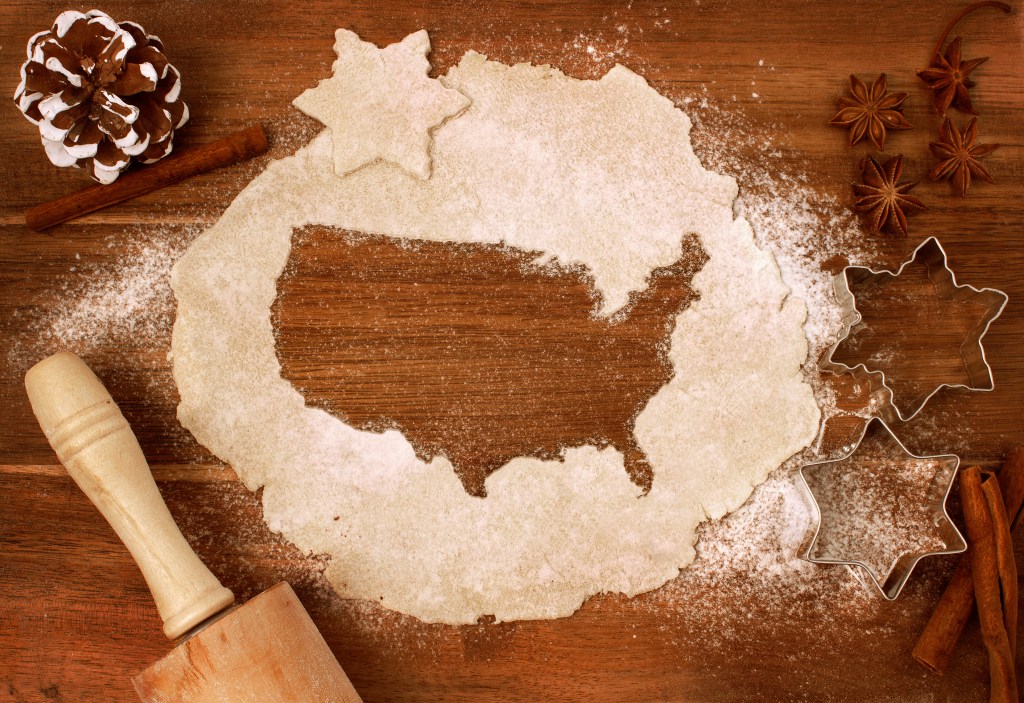
In an increasingly globalized economy, the advantages of manufacturing baked goods and confections in the United States have become more pronounced. While outsourcing production to overseas facilities might seem cost-effective initially, there are several compelling reasons why U.S.-based manufacturing is a superior choice for quality, efficiency, and overall brand integrity.
1. Quality Control and Consistency
One of the most significant benefits of manufacturing baked goods and confections in the U.S. is the ability to maintain stringent quality control standards. U.S. manufacturers adhere to rigorous food safety regulations enforced by agencies like the FDA (Food and Drug Administration) and USDA (United States Department of Agriculture). This ensures that products are consistently safe, high-quality, and meet specific standards that consumers expect.
Local manufacturing also allows for more frequent inspections and closer oversight. This reduces the risk of contamination, product recalls, and ensures that each batch of goods meets the same high-quality standards.
2. Faster Time to Market
Manufacturing domestically significantly reduces the time it takes for products to reach the market. The logistics of shipping goods from overseas can be complex and time-consuming, often leading to delays. By producing baked goods and confections in the U.S., companies can streamline their supply chains and respond more quickly to market demands and trends. This agility is crucial in the fast-paced food industry, where consumer preferences can shift rapidly.
3. Reduced Shipping Costs and Environmental Impact
Transporting goods from overseas involves substantial shipping costs, which can eat into profit margins. Additionally, the environmental impact of long-distance shipping is considerable, contributing to greenhouse gas emissions and pollution. By manufacturing locally, companies can significantly reduce these costs and their carbon footprint. Shorter shipping distances also mean fresher products on store shelves, which is a critical factor for perishable goods like baked items and confections.
4. Economic Support and Job Creation
Investing in U.S.-based manufacturing supports the local economy and creates jobs within the community. This not only strengthens the economy but also fosters a sense of goodwill and loyalty among consumers who prefer to support domestic businesses. As more companies bring their production back to the U.S., it can stimulate growth in related industries, from agriculture to transportation.
5. Supply Chain Stability
Global supply chains can be unpredictable, as evidenced by recent disruptions caused by the COVID-19 pandemic. Dependence on international suppliers can leave companies vulnerable to unforeseen events such as natural disasters, political instability, or trade disputes. By manufacturing domestically, businesses can build more resilient and stable supply chains, ensuring a consistent flow of products to meet consumer demand.
6. Customization and Innovation
Local manufacturing facilities offer greater flexibility for customization and innovation. Being closer to the market allows companies to quickly adapt to new trends, experiment with unique flavors, and introduce limited-edition products. This agility is especially important in the confectionery and baked goods sectors, where consumer tastes can be highly dynamic and seasonal.
7. Enhanced Brand Reputation
Consumers are increasingly conscious of where and how their food is produced. U.S.-based manufacturing can enhance a brand’s reputation by emphasizing quality, safety, and ethical practices. Companies that prioritize domestic production can leverage this in their marketing, appealing to consumers who value transparency and sustainability.
Conclusion
While the allure of lower production costs may tempt companies to manufacture overseas, the benefits of U.S.-based manufacturing for baked goods and confections are substantial. From superior quality control and faster market response times to reduced shipping costs and enhanced brand reputation, domestic production offers numerous advantages. As consumer preferences continue to evolve, prioritizing local manufacturing can position companies for long-term success and growth in the competitive food industry.
 World Wide Gourmet Foods