
Looking for someone to make your products? Make sure you find out what they can do before you sign a contract.
1. What are their capabilities?
When it comes to your products, you need to know that your new co-packer knows what they’re doing and have the equipment and know-how to do it. If you want to figure out who really knows what they’re doing, just see how detailed they are when they explain their capabilities.
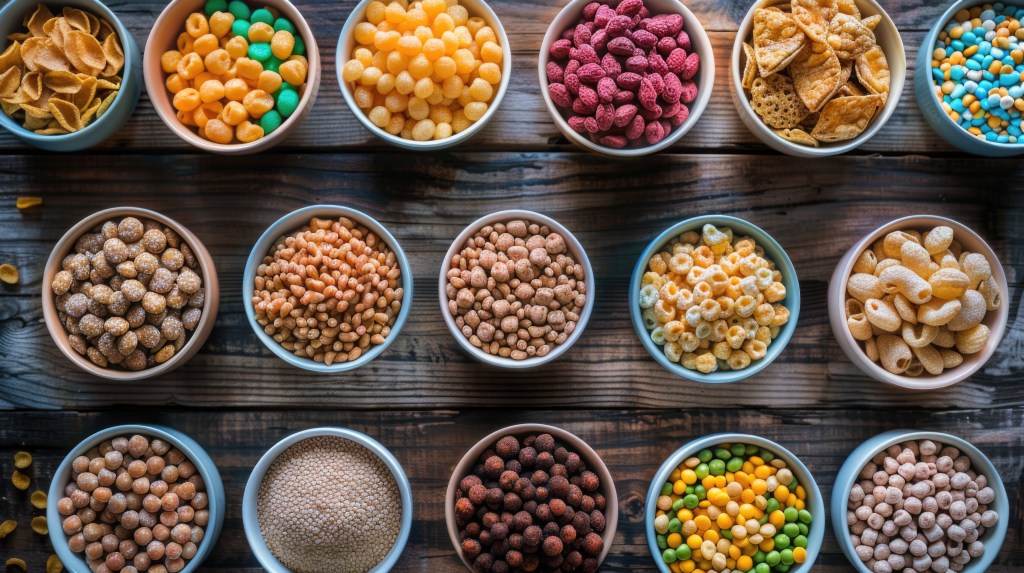
For example, many manufacturers will say they can make baked goods or confections, but do they really know how to make a variety of items in those categories? Or do they only know how to make one or two things? Ask for clarification on what they’ve made in the past and ask if they’ve made different types of items in that category.
We at World Wide Gourmet Foods excel at baked goods and confections. You can see all of our capabilities at https://wwgourmet-copack.com.

2. How do they control quality?
So, the co-packer says they can make your product and they seem to have the equipment and the know-how to do it. The next thing you need to know is if they have methods in place to control quality and to assure that quality is maintained in production.
Quality Control means that once you agree on a formula, that formula is strictly followed with no deviations.
Co-packers should use a HACCP plan to ensure that the steps taken in the formula are maintained and the risks inherent in your product are minimized. This plan should address any issues that may arise during the manufacturing of the product. Including: Water Activity, Allergen Swabs, Cleaning Protocols, Proper Oven Temperature and Bake Time, Proper Cooking Temperature, Proper Allergen Storage, Ingredient Verification, Vendor Qualification and Verification, and Proper Documentation.
Quality Assurance means that during production, any defective products are weeded out, the reason the defect occurred is identified, and a corrective action plan is implemented to prevent the defect from occurring again.
Co-packers should be continually monitoring the product during manufacturing. This should entail checking weights, appearance, flavor, and consistency. If any issues are identified, the product should be pulled, and the cause of the issue resolved through a corrective action plan.
3. Is your product feasible with their equipment?
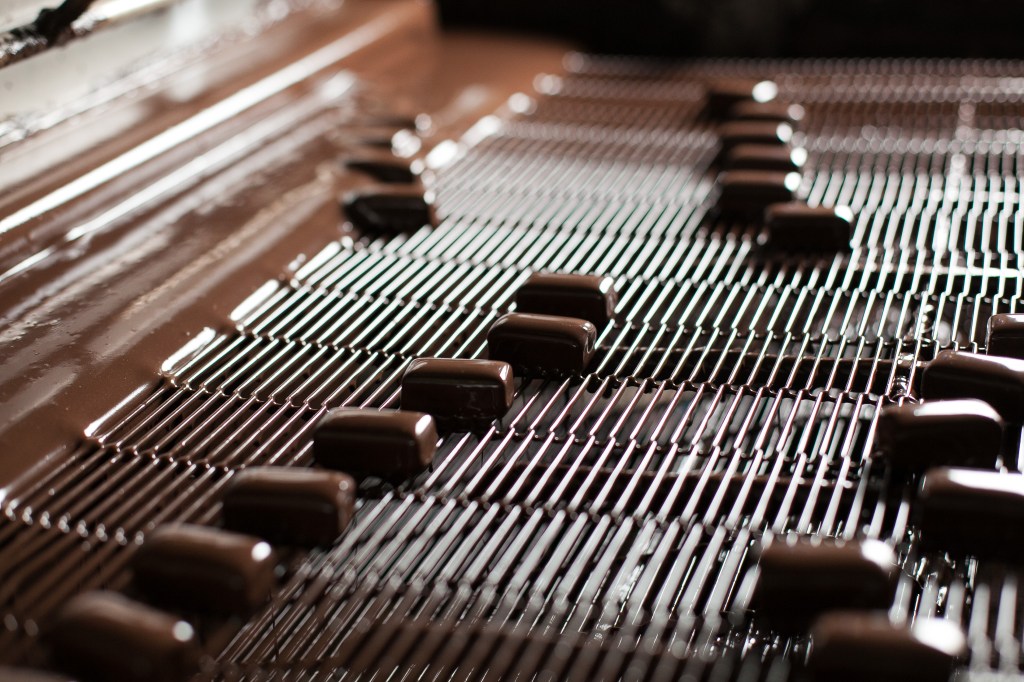
You know what kind of product you want for your brand. You’ve even got a recipe or formula written out. However, not every formula can be made by every co-packer. Sometimes it is a limitation of the equipment, and the manufacturer might need a capital infusion to bring in the right equipment. Or sometimes, the co-packer simply doesn’t have the knowledge for how to make your product. Most of the time, the issue is that a formula on paper doesn’t take into consideration the complexities of manufacturing and scaling up production.
A good contract manufacturer will tell you up front whether they have the equipment to make your product and the knowledge to execute it. A great contract manufacturer will do that and know how to commercialize your formula. You need a manufacturer with years of experience in commercializing recipes, including knowing how to adjust when ingredients become too costly or scares and when to swap to different ingredients and formulations to ensure the finished product is the best it can possibly be.
Great contract manufacturers will tell you up front if there are any challenges with your product. You need to know if the product you worked hard to make in your kitchen can be made in a commercial environment. You need to know if there are any obstacles to production. Once you have that information, then you can make decisions about how to move forward.

4. How well do they communicate?
When you sign a contract with a manufacturer, you’re in effect creating a partnership with the goal of making a product. In any partnership, communication is the key to success.
The contract manufacturer needs to be able to relay information to you quickly and clearly, as well as be able to provide options for how to proceed. You’ll hear a lot of cliches about communication from prospective manufacturers. If you want to separate who communicates well from who doesn’t, you need to dig into how they collaborate. You should follow up with questions like: “How would we work together to take our formula from paper to product? What part will each of us play in that process? If we hit a problem, how will you handle that? If the product cannot be made in your facility, how do you tell a customer that?”
When asking those questions, look at how specific their answers are. The more they speak in generalities, the more you can expect those same generalities in a partnership. Making great products takes dedication to detail. The more specific details they provide, the better your partnership will be. Being informed means that when you need to make decisions, you have the right information. Great contract manufacturers will make sure you’re informed.
5. How well do they manage lead times?
One of the biggest issues in contract manufacturing is the management of lead times. A whole range of things need to happen correctly for a product to be manufactured and shipped on time. A good contract manufacturer will give you their best guess on the lead time, then communicate any issues as they occur that affect the lead time. Issues like ingredient and package availability, production schedules, and shipping delays. A great contract manufacturer will tell you those potential issues before they happen. They will give you a forecast on ingredients and production availability. They will tell you what packaging manufacturers to work with and how long they take to produce your packaging.
If you want to separate good manufacturers from great manufacturers, ask them to pick three projects that went smoothly and on time and three projects that had issues and delays. Ask them to explain why the projects that went smoothly did so and what caused the projects with issues to have them. Their answers to these questions should tell you how they handle lead times and what they do when things go wrong.
6. What certifications do they have?
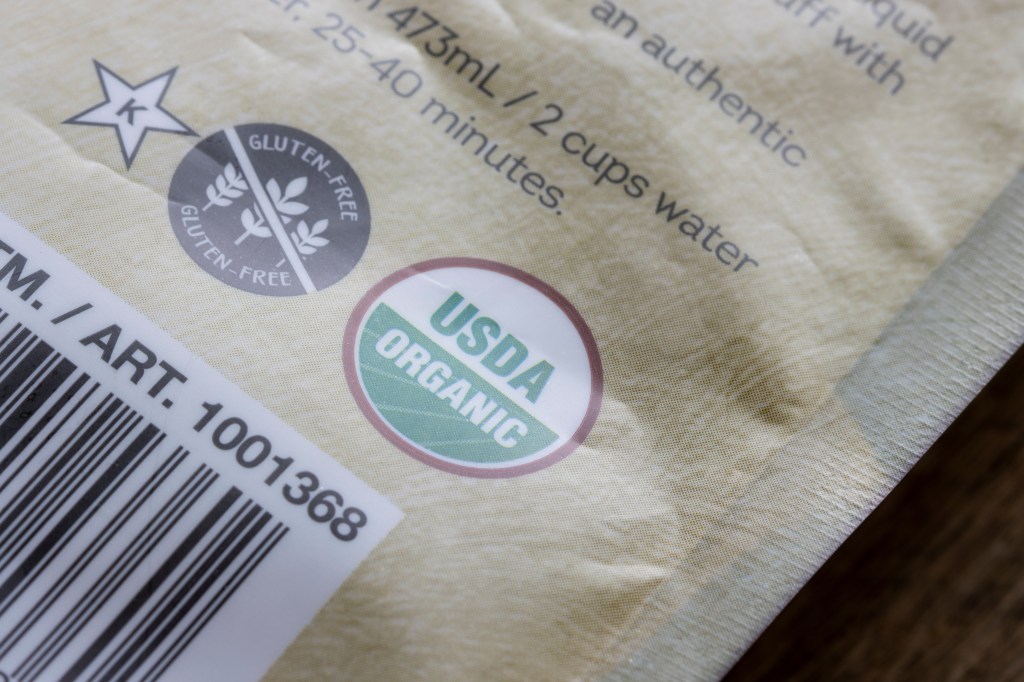
In food manufacturing, there are a multitude of certificates that can be applied to a facility. From food safety audits to kosher or halal certificates, there are a wide range of options for a manufacturer. As a brand owner, you may have certificates that you want from a food safety standpoint or as marketing tools on your packaging. Here are some certificates that manufacturers can hold:
FDA or USDA Audits – the US Government will assign an institution to monitor the production of food based on whether the food is animal based or plant based. The FDA handles most packaged foods that do not contain raw animal protein. The USDA handles all meat, poultry, and eggs. The FDA does annual inspections. The USDA has onsite inspectors for each facility as the risk of illness is so much higher with raw animal proteins. Around the world, food products made in the United States are known for their safety.
Food Safety, Good Manufacturing Process (GMP), or Costco Audit – ensures that the manufacturer has systems in place to ensure that food products are properly made and that any hazards that are possible are handled.
SQF or GFSI Food Safety Audit – is a more advanced food safety audit that pays special attention to documentation and ingredient storage in addition to basic food safety.
Kosher or Halal – ensures that the facility only uses ingredients that are kosher, or halal certified, thus making sure that people who follow those diets know the finished products fit into those diets. Typically, the certifying bodies will charge an additional fee to brand owners so that their products can be listed on the certificate.
Prestige Branding – are third party certificates that require large fees, typically around $5,000 or more per organization, in exchange for being able to use their trademarked logos on finished product packaging. Alternatively, brand owners can use generic logos for free. Examples include:
- Non-GMO – states that the products have been made with non-genetically modified organisms.
- Gluten Free – states that the products have been made without gluten ingredients or cross contamination.
- Organic – states that the products have been made with only organic ingredients.
Remember that these certificates take a lot of hard work and documentation to maintain. There are extensive costs and commitments associated with maintaining these certificates and they increase the overall quality of the finished goods. As a brand owner, you want your products to offer the best quality and the least amount of liability. Great contract manufacturers will do that for you.
7. How do they handle scaling?
As a brand owner with a formula, you probably don’t want to have to start with 100,000 units of your product before you even know how the product will sell. So that means you’re looking for a contract manufacturer who can make you 5,000 to 10,000 units so you can get a feel for how your product does in the marketplace. Once you’ve found that manufacturer, you’ll need to know if they can work up to 100,000 units at a time or if you’ll need to move to another manufacturer at that point.
Good contract manufacturers will tell you their current capacity and order minimums. Great contract manufacturers will tell you that and tell you how they can scale with your company if you get that explosive growth, you hope will happen. To tell a good manufacturer from a great manufacturer, ask them how they’ve grown over that last 10 to 15 years. If they haven’t been in business for 10 years, ask them how they plan to handle growth and what their plans are for additional equipment and staffing. If you have any questions or concerns about a contract manufacturer, check for warning letters from the FDA on the FDA website. Look at any corrective actions in their audit paperwork and ask if these are repeat issues. Ask the manufacturer for contacts at companies that recommend them. If they don’t have any companies that they can direct you to due to non-disclosure agreements, you can always ask other companies based in their local area if they’ve heard of the manufacturer and what their thoughts on that manufacturer are.
Finding the right contract manufacturer can be tough, but if you ask the right questions, you can make sure to find a company that has:
- The right capabilities to make your product today and tomorrow
- The staff and procedures in place to make sure your product is safe and the best it can be
- The knowledge to adapt your product to their equipment
- The right communication style to make sure you stay informed
- The experience to manage lead times effectively and communicate potential delays
- The certificates that give you confidence in their manufacturing and help you sell your products
- The ability to grow with your company
Once you’ve found that co-packer, you shouldn’t hesitate to move forward with them! If they can answer all your questions, then that is the beginning of a great long-term partnership.
If you have any other questions about contract manufacturing or co-packing, we’re available to chat at 1-800-422-0852 or you can email us at newproject@wwgourmet.com.

About World Wide Gourmet Foods
With over 27 years in business and over 100 years of combined experience in the industry, World Wide Gourmet Foods is an expert in making shelf stable baked goods and confections. As a manufacturer with brands of our own, we know what the marketplace can be like, and we can offer you the advantage of our vast experience to help make your products and ensure they work in the marketplace. Contact us today to find out more!
 World Wide Gourmet Foods