

Introduction
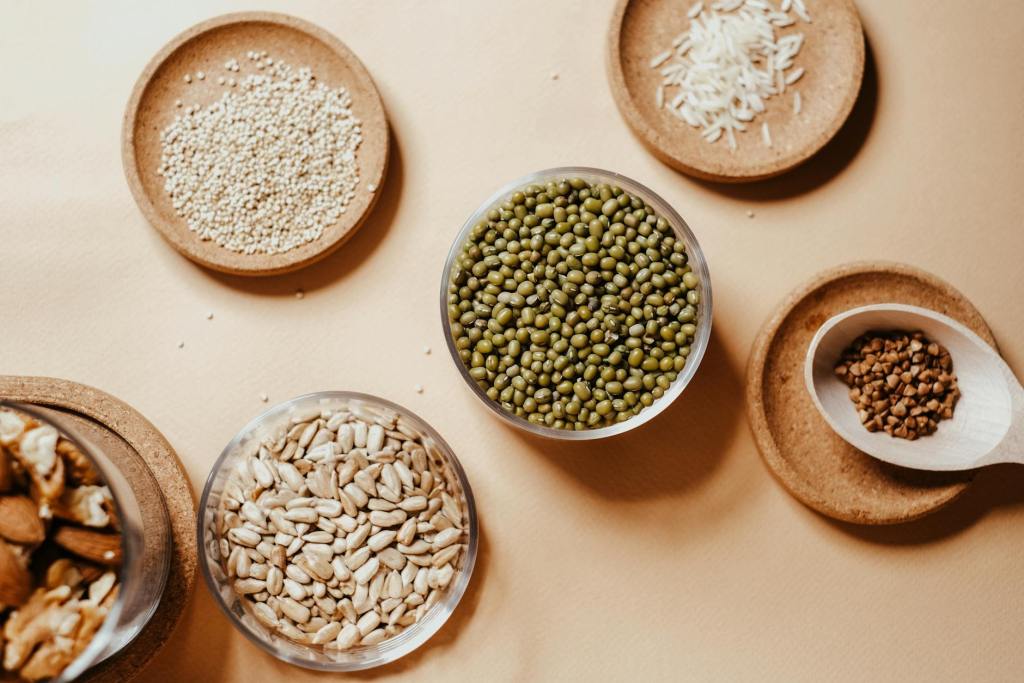
In recent years, there has been a resurgence of interest in ancient grains, and for good reason. These time-tested staples of human diets are making a comeback in modern cuisine, and their popularity is not without merit. Ancient grains are gaining recognition for their impressive nutritional profiles, sustainable cultivation methods, and potential health benefits. In this article, we will explore why ancient grains are good for you and why you should consider incorporating them into your diet.
What Are Ancient Grains?
Ancient grains refer to a group of grains that have been cultivated for thousands of years and remain largely unchanged from their original form. These grains include varieties like quinoa, farro, spelt, amaranth, teff, and millet, to name a few. Unlike modern wheat, which has undergone extensive breeding and genetic modifications, ancient grains have retained their original genetic composition.
- Nutritional Powerhouses
One of the primary reasons ancient grains are good for you is their exceptional nutritional content. These grains are rich in essential vitamins, minerals, and other nutrients that contribute to overall health. For instance, quinoa is a complete protein, meaning it contains all nine essential amino acids necessary for human health. Amaranth is a great source of calcium and iron, while farro is packed with fiber and magnesium.
- Dietary Fiber
Ancient grains are typically higher in dietary fiber than their modern counterparts. Fiber is essential for digestive health, helps regulate blood sugar levels, and can aid in weight management by promoting feelings of fullness. The soluble fiber found in many ancient grains, such as oats and barley, may also help lower cholesterol levels, reducing the risk of heart disease.
- Rich in Antioxidants
Many ancient grains are packed with antioxidants, which are compounds that help protect the body against harmful free radicals. Antioxidants play a crucial role in reducing inflammation, preventing chronic diseases, and supporting overall well-being. For example, teff and quinoa contain high levels of antioxidants like quercetin and kaempferol.
- Gluten Alternatives
For individuals with gluten sensitivities or celiac disease, ancient grains provide a safe and nutritious alternative to wheat and other gluten-containing grains. Options like amaranth, millet, and buckwheat are naturally gluten-free and can be used in a variety of recipes, from bread to pasta.
- Sustainable Agriculture
Ancient grains are often grown using traditional, environmentally friendly farming practices. They are typically hardy crops that require fewer pesticides and synthetic fertilizers, making them more sustainable and less harmful to the environment. Additionally, their ability to grow in diverse climates and soils can contribute to crop diversity and resilience in agriculture.
- Varied Flavors and Textures
Another benefit of incorporating ancient grains into your diet is their unique flavors and textures. Each grain offers a distinct taste and mouthfeel, adding depth and complexity to your meals. From the nutty flavor of farro to the earthy notes of spelt, ancient grains can make your dishes more exciting and enjoyable.
Conclusion
Ancient grains are not just a culinary trend but a nutritional treasure trove that can enhance your health and well-being. Their impressive nutritional profiles, fiber content, antioxidant-rich nature, and sustainability make them an excellent addition to your diet. Whether you are seeking to diversify your meals, improve your health, or simply enjoy delicious and wholesome food, consider incorporating these time-tested grains into your daily meals. Rediscovering the benefits of ancient grains may be the key to a healthier and more sustainable future.
 World Wide Gourmet Foods