

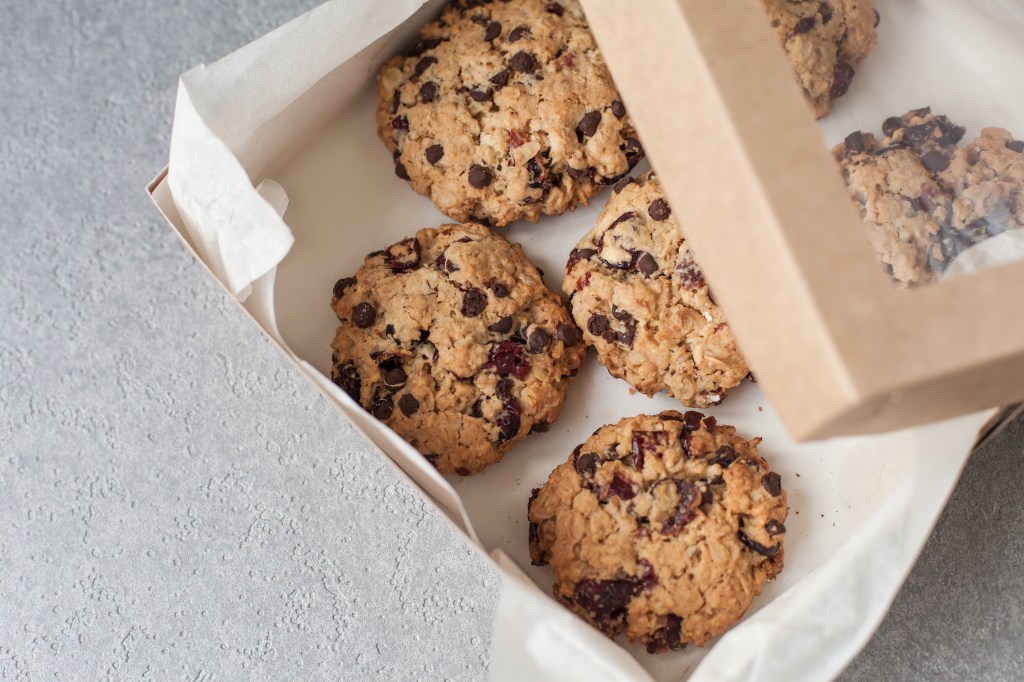
From Kitchen to Co-Packer: A Guide to Preparing for Food Manufacturing Success
Introduction
So, you’ve perfected your delicious food product, and you’re ready to take it to the next level by partnering with a food manufacturing co-packer. Congratulations! This step can be both exciting and daunting, but with careful preparation and a willingness to adapt, you can successfully transition your homemade recipe into a commercial product. In this post, we’ll guide you through the essential steps to prepare for working with a food manufacturing co-packer.
- Convert Your Recipe to Weight-Based Measurements
One of the first challenges when transitioning from a home kitchen to a manufacturing facility is converting your recipe from volume-based measurements to weight-based measurements. Precision is key in large-scale production, and using weight measurements ensures consistency and accuracy. Invest in a kitchen scale and take the time to weigh all your ingredients to create a reliable, scalable recipe.
- Identify Reliable Sources for Raw Materials
Next, you’ll need to identify reliable sources for your raw materials. Building strong relationships with suppliers is crucial for maintaining consistency in your product’s quality. Look for suppliers who can provide consistent quantities of high-quality ingredients at competitive prices. Consider factors like lead times, certifications, and their ability to scale with your business growth.
- Sample and Compare
Before you commit to a co-packer, it’s essential to sample and compare your product. This involves producing a small batch using your recipe and then having the co-packer make bench-top samples to compare against it. This step allows you to evaluate how your product translates to someone else interpreting your recipe. Taste-test the product to ensure it retains the flavor and quality you desire before moving forward with the co-packer.
- Determine Packaging Type and Material
Packaging plays a significant role in the presentation and preservation of your product. Work closely with your co-packer to identify the ideal packaging type and material for your product. Consider factors like shelf life, branding, and environmental sustainability. Collaborate with packaging experts to ensure your product stands out on the shelves and meets your target market’s expectations.
- Willingness to Compromise
When transitioning from a homemade recipe to commercial production, it’s crucial to be willing to compromise on certain aspects of your product. Some changes may be necessary to ensure consistency, scalability, and cost-effectiveness. Whether it’s adjusting ingredients, altering production methods, or compromising on packaging design, flexibility is key to commercializing your product successfully.
Conclusion
Working with a food manufacturing co-packer can be a rewarding step in turning your homemade recipe into a commercial success. However, it requires careful preparation and a willingness to adapt to the demands of large-scale production. Converting your recipe to weight-based measurements, sourcing reliable raw materials, taste-testing and comparing the product, choosing appropriate packaging, and being open to compromise are all essential steps on this journey.
Remember that collaboration with your co-packer is crucial throughout the process. Effective communication and a strong partnership will help you navigate the challenges and bring your culinary creation to a broader audience, while maintaining the quality and flavor that made it special in the first place. With dedication and the right preparation, you can achieve success in the food manufacturing industry.
 World Wide Gourmet Foods
Leave a comment